New type of cancer treatment 'like something out of science fiction' leaves experts with 'goosebumps'


It's a sad fact that cancer cases are on the rise, and in the USA, it's said that 4 in every 10 will get some form in their lifetimes.
20 million new cases are reported every year globally, with this expected to rise to 28 million by 2040.
Breast, colon, and lung cancer are among the most common, while the latter is considered the deadliest and is responsible for around 25% of all cancer deaths. Research into cancer continues, but while many think AI could be some kind of miracle that can 'cure' us of cancer, the reality is that we're still a long way from ridding the world of these harrowing diseases.
Even though it’s true that we're seeing more cases of AI detecting cancer early, that's only half of the health battle.
Advert
Treatment is the other half, with the BBC reporting on an apparent miracle treatment that sounds like it's been pulled from a sci-fi movie. Telling the story of 71-year-old Maureen Sideris, the outlet explains how her treatment for oesophageal cancer involved her being infused with a drug called dostarlimab during 45-minute sessions – a far cry from going under the knife to remove her colon cancer in 2008.
There's an apparent boom in treatments that are boosting our immune systems and encouraging our bodies to fight cancer themselves.

After more than a century of development, Sideris is among the growing number of people who are being treated with immunotherapy for cancer. With her tumor vanishing and Sideris' only real side effect being fatigue from adrenal insufficiency, she cheered: "It's unbelievable. It's almost like science fiction."
Sideris isn't the only success story, as Jennifer Wargo, a professor of surgical oncology and an immunotherapy researcher at MD Anderson Cancer Center in Texas, gushing: "I get choked up and have goosebumps. People are living, and living with good quality lives. We're talking about cures."
The human body is a fascinating piece of kit, supposedly being able to "detect and eliminate cells that look like not-you." That's according to Karen Knudsen, chief executive of the Parker Institute for Cancer Immunotherapy. The Parker Institute is a U.S. nonprofit developing immunotherapy treatment, but with cancer cells able to 'outsmart' our own immune system, they can sometimes lurk in the healthy cells around them.
Immunotherapy works to unmask these cancerous cells and ensure our immune systems can distinguish them from the healthy ones.
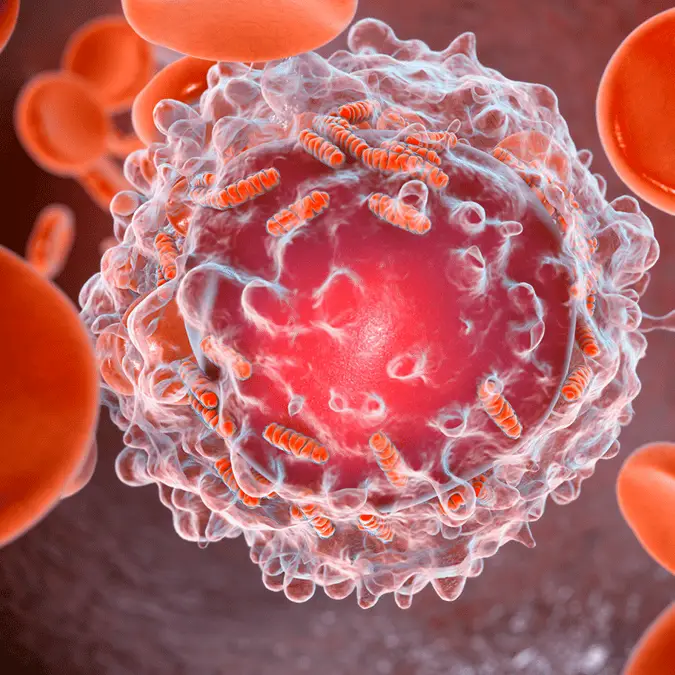
CAR T-cell therapies and immune checkpoint inhibitors are the two prongs of attack. CAR T-cell therapies are used to treat blood cancers, extracting the highly specific T cells that can hunt down invaders, then modifying them in a lab to target cancer cells.
Immune checkpoint inhibitors are drugs that disable an 'off switch' in the immune system.
With these checkpoints being an important safeguard that prevents our bodies from attacking healthy cells, medical oncologist Samra Turajlic from the Francis Crick Institute in London warns that immune checkpoint inhibitors come with a "kaleidoscope of side effects."
Before you ask why health professionals aren't throwing money at immunotherapy, you need to remember it's only said to work on between 20 and 40% of patients.
Combining immunotherapy with other treatments like radiotherapy is one approach, although there's a push toward customization to ensure it's more likely to work with individuals.
Scientists at Memorial Sloan Kettering Cancer Center trialed dostarlimab on 117 patients with various tumors that carried the same genetic signature. Out of the 103 who finished the trial, Sideris was among the 84 who saw their tumors completely vanish, and only two needed further surgery.
Looking further ahead, Knudsen said: "It's a bold new world out there. It's the definition of precision medicine. We can now perhaps, in a very quick way, develop vaccination strategies against the exact tumour you have."
As for Sideris, she said that one doctor told her that chemo will be as old-fashioned as bloodletting in the next decade.