Doctor warns of side effect of 'zebra striping' drinking trend that's supposed to avoid brutal hangovers


It seems that every day comes with some new trend or supposed life hack that's supposed to make our days better. Fibermaxxing, the 30-30-30 method, and sleepy girl mocktails are just some of those you'll see taking over your FYP, but now, others are trying 'zebra striping'.
Don't worry, it's not upping your intake of zebra streaks. Instead, it's supposed to avoid those sometimes agonizing hangovers that leave you bed-rotting (another trend) all day. While it's all fun and games when those after-work drinks lead to you swinging off a chandelier in the club at 2 am, your body won't be thanking you the next day.
We're sure you have your various health 'hacks' for how to avoid the nausea and pounding headache of the next day, with electrolyte sachets, the cold spoon trick, or sipping on flat Diet Coke all being popular choices.
Still, they say that prevention is better than cure, with zebra striping tackling your drinking before your hangover even has a chance to form. We spoke to Dr Opel Baker from Mayfield Clinic to get the details, and while it has it's benefits, it could actually increase your fatigue due to "rapid rises and falls in blood glucose'.
What is zebra striping?
Advert
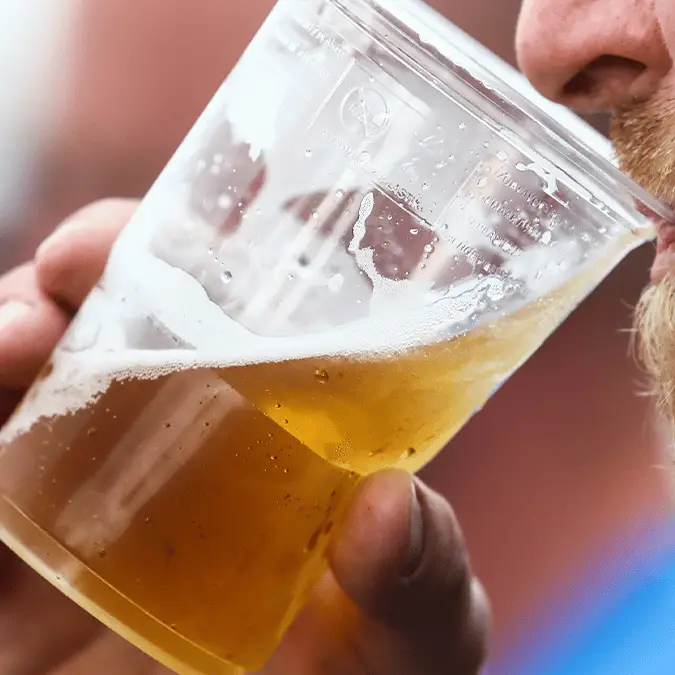
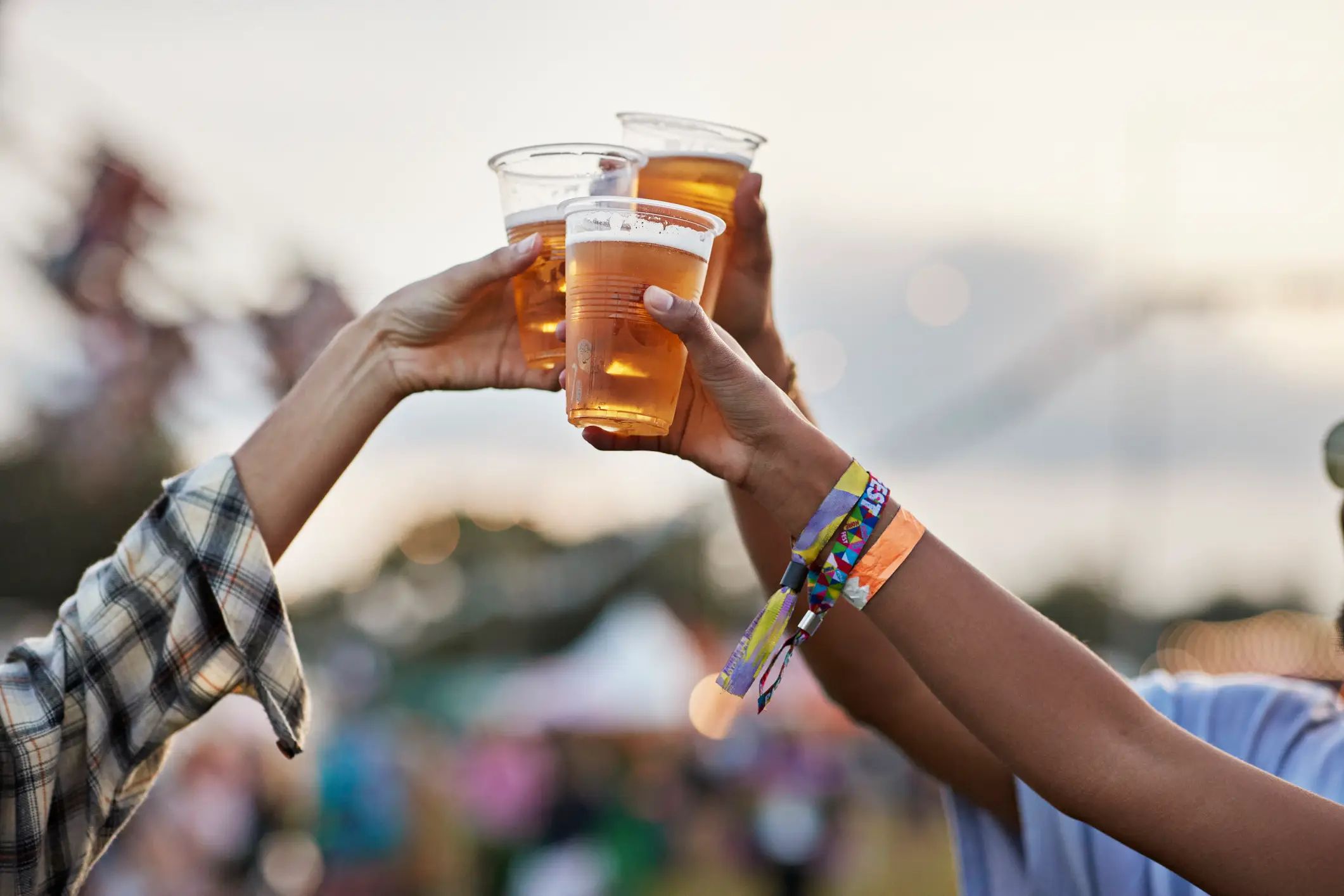
The idea is simple, as zebra striping involves alternating between alcoholic and non-alcoholic drinks. Some of us might realize when we've had enough and move on to water for a bit before returning to our boozy beverages, but zebra striping is a much more regimented way of doing things. Like the stripes of a zebra, this mindful drinking method makes sure that after having a glass of beer, wine, or whatever your poison is, you pick up a soft drink. That can be juice, fizzy drinks, or a glass of water.
A 2025 article from Drinkaware suggested that a quarter of people are now looking for ways to curtail their drinking via zebra striping, without giving up altogether. With a wider array of mocktails and non-alcoholic beers, it's arguably easier than ever to zebra stripe.
Because alcohol acts as a diuretic, it increases fluid loss and contributes to dehydration, with both being major factors in next-day hangover symptoms like headaches, dizziness, and fatigue.
Zebra striping can slow overall alcohol consumption and reduce dehydration while helping us remain aware of how much we're drinking.
It's said that zebra striping can help you sleep better and give your liver more time to process the alcohol you're consuming. That all sounds well and good, but does it actually work?
Can zebra striping actually prevent a hangover?
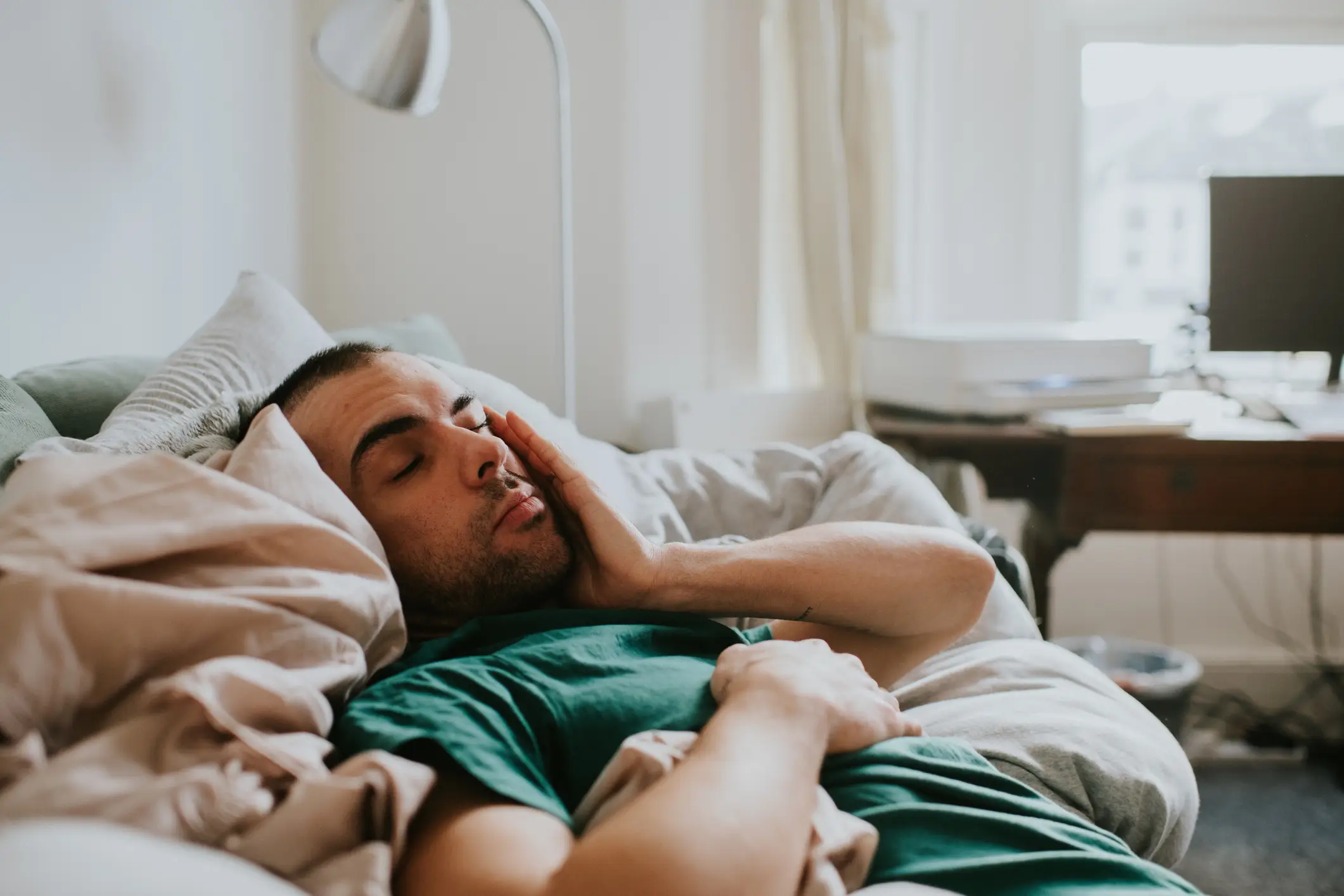
Speaking to UNILADTech, Dr Opel Baker from Mayfield Clinic warned that the noble intentions of zebra striping aren't a guaranteed way to avoid hangovers from hell. Baker reminds us: "Zebra striping can help reduce some hangover effects, although it is not a complete prevention strategy."
Baker maintains that we should be alternating with water because soft drinks maintain hydration but can contribute to blood sugar fluctuations: "Rapid rises and falls in blood glucose can worsen fatigue and headaches the following day by adding an additional metabolic stress on the body."
If you're determined to give zebra striping a go, maybe consider adding electrolytes. Alcohol strips our bodies of important minerals like sodium and potassium, which are needed to maintain fluid balance and normal muscle and nerve function.
Baker says that taking electrolyte drinks or tablets before bed or the next day is a great option.
As for the idea that zebra striping is an overall fix, he added: "From a scientific perspective, these strategies are sensible because they reduce total alcohol intake and support hydration. However, they do not eliminate the biological impact of alcohol on the body."
Alcohol is metabolised into acetaldehyde, which is a toxic byproduct linked to the nausea, flushing, and headaches of a hangover. It also increases the oxidative stress and inflammatory responses that put strain on liver cells as they struggle to detoxify the bloodstream. Finally, alcohol is known to disrupt normal liver glucose regulation overnight, which can lead to the fatigue many of us experience the next day.
Ensure you eat before or while drinking as a way to slow gastric emptying and alcohol absorption, also reducing peak blood alcohol levels and the overall physiological stress on the body.
Baker concluded: "Ultimately, the most effective way to avoid a hangover is to avoid alcohol altogether, with a growing range of non-alcoholic beers, spirits and wines now making it easier to do so."