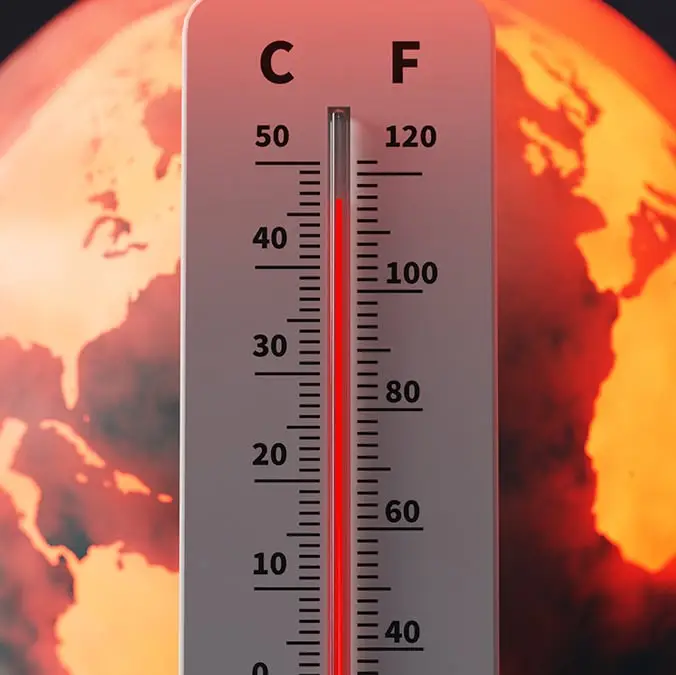
UN warns 91% probability the earth will cross a major climate threshold by 2030


With concerns over an upcoming super El Niño growing, the United Nations has now issued a warning that there is a 91% probability the earth will cross a major climate threshold by 2030.
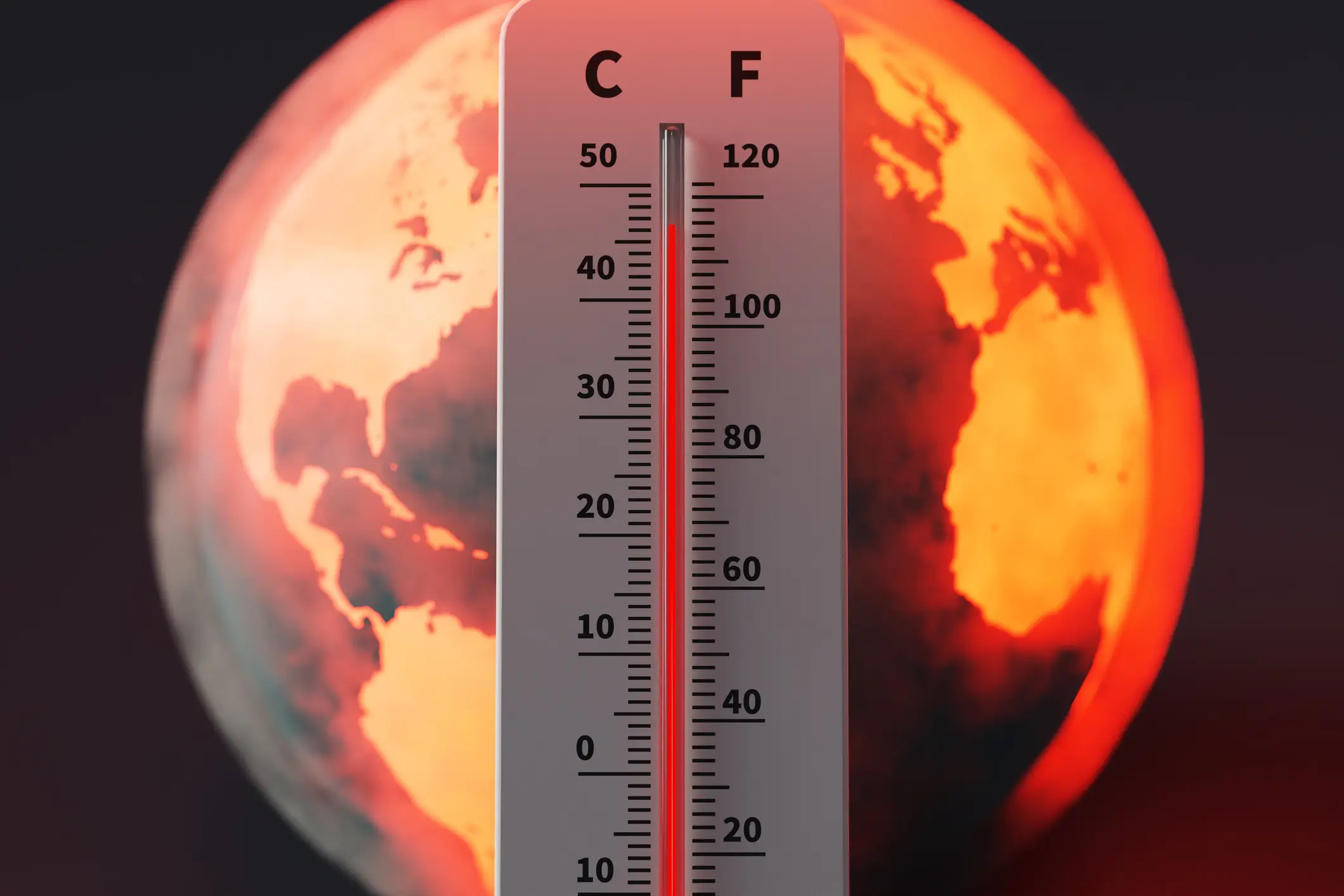
New findings from the World Meteorological Organization (WMO) suggests that Earth could be heading toward some of its hottest years ever recorded, with experts increasingly concerned that an emerging El Niño weather pattern may dramatically intensify global temperatures and extreme weather events.
Researchers say stronger El Niño events often fuel more destructive weather patterns around the world, including droughts, wildfires, storms and catastrophic flooding.
According to the agency’s annual update, there is now a very high probability that at least one year between 2026 and 2030 will become hotter than 2024, which currently holds the record as the warmest year in modern history.
Advert
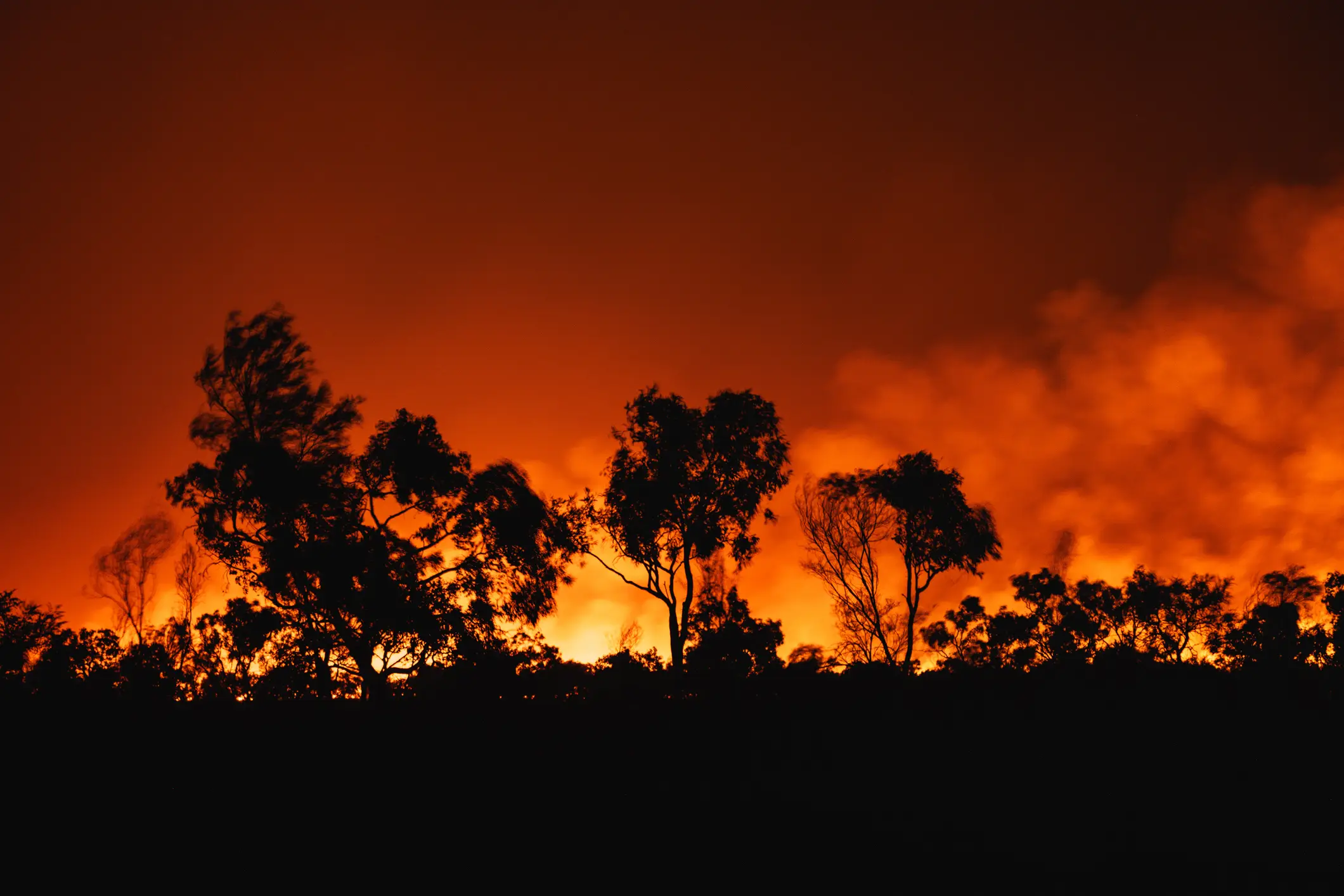
Scientists have also said that the return of a super El Niño could make 2027 a particularly dangerous year for global heat records.
Leon Hermanson, who is the lead author of the WMO report, said that the prediction of an El Niño for the second half of 2026 ‘increases the chances of the following year, 2027, being the next record-breaking year’.
Experts are warning the public that unless global emissions are drastically reduced in the coming years, record-breaking temperatures and increasingly severe climate extremes could soon become the new normal.
What is an El Niño?
An El Niño is a complex climate pattern involving the warming of sea surface temperatures in the central and eastern part of the Pacific Ocean.
When this happens it leads to knock-on effects with weather globally, including the shifting of rainfall patterns, leading to floods and droughts in certain areas.
El Niños have been classified for over 500 years, with the name actually originating from a Spanish fisherman who likened the weather event to the birth of Jesus Christ, as it typically happened around Christmas.
NASA released 3D footage on the last ‘super El Niño’
The previous El Niño the world experienced was in 2015 and the footage is available to view thanks to NASA.
The clip was posted to YouTube, and in the video description, NASA explained: “Two back-to-back 3-D visualizations track the changes in ocean temperatures and currents, respectively, throughout the life cycle of the 2015-2016 El Niño event, chronicling its inception in early 2015 to its dissipation by April 2016. Blue regions represent colder and red regions warmer temperatures when compared with normal conditions.”