uniladtech homepage
  • News
    • Tech News
    • AI
  • Gadgets
    • Apple
    • iPhone
  • Gaming
    • Playstation
    • Xbox
  • Science
    • News
    • Space
  • Streaming
    • Netflix
  • Vehicles
    • Car News
  • Social Media
    • WhatsApp
    • YouTube
  • Advertise
  • Terms
  • Privacy & Cookies
  • LADbible Group
  • LADbible
  • UNILAD
  • SPORTbible
  • GAMINGbible
  • Tyla
  • FOODbible
  • License Our Content
  • About Us & Contact
  • Jobs
  • Latest
  • Archive
  • Topics A-Z
  • Authors
Facebook
Instagram
X
TikTok
Snapchat
WhatsApp
Submit Your Content
NASA just built an AI tool that could save coastal towns up to $234 million a year

Home>Science>News
Published 16:33 29 May 2026 GMT+1

NASA just built an AI tool that could save coastal towns up to $234 million a year

Harmful algal blooms cost US economies millions of dollars every year

Rikki Loftus

Rikki Loftus

google discoverFollow us on Google Discover
Featured Image Credit: NASA
Nasa
AI
Science
News
Tech News

Advert

Advert

Advert

NASA scientists have developed a new artificially intelligent tool that has the potential to save coastal towns up to $234 million a year.

This comes after a recent study revealed that the tool was able to ‘fuse data from multiple satellites and detect harmful algal blooms that occurred in western Florida and Southern California’.

According to NASA, these blooms can pose serious health risks which end up costing coastal economies within the US tens of millions of dollars each year.

On the NASA website, it states: “Areas in Florida such as Tampa Bay and Sarasota have wrestled with the problem for decades. A species called Karenia brevis can thrive in Gulf of America waters, spawning harmful algal blooms that kill wildlife, foul beaches, and sicken swimmers.

Advert
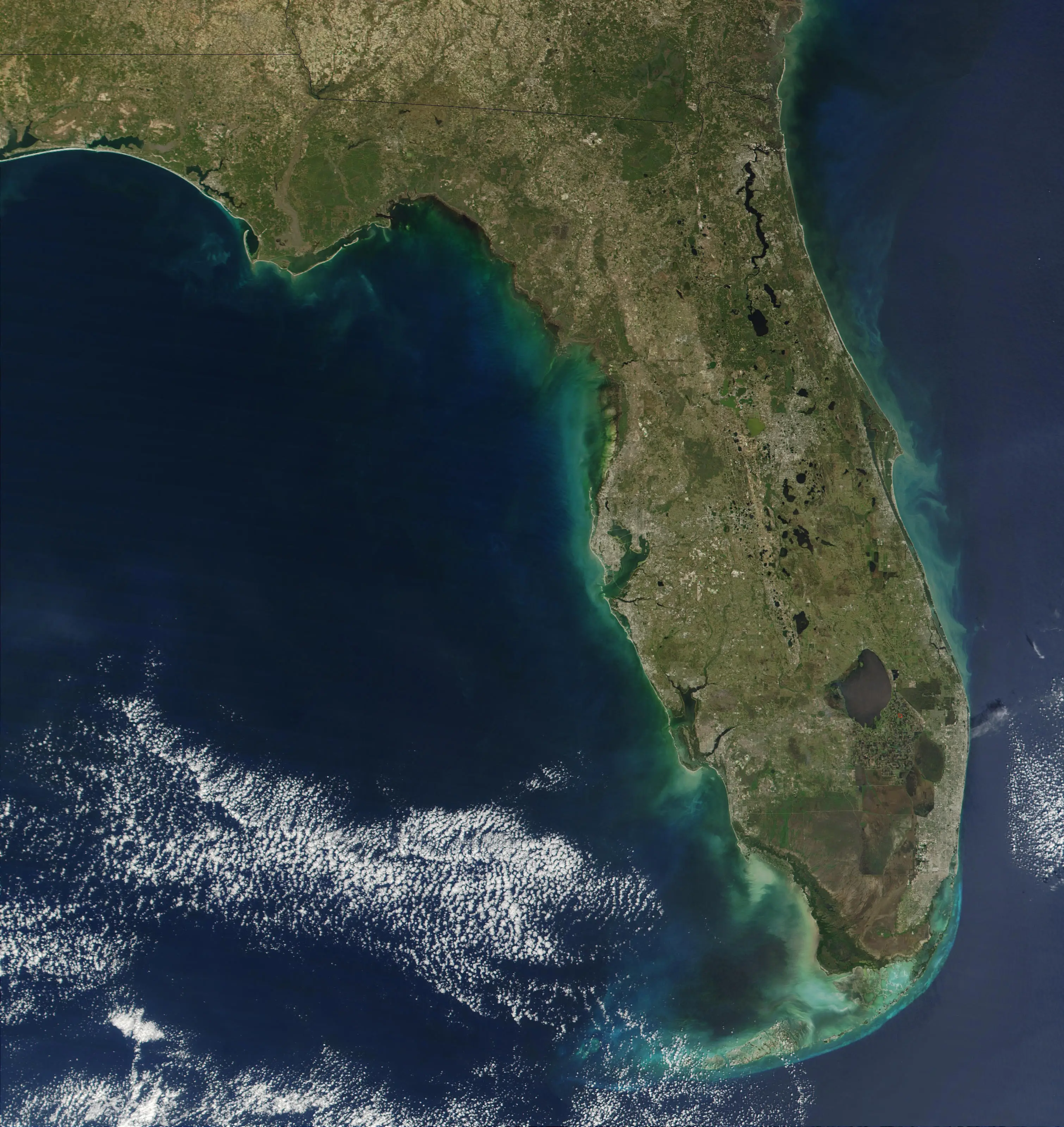
These blooms can pose serious health risks (Jacques Descloitres/NASA/Universal History Archive/Getty Images)

“On the West Coast, blooms of Pseudo-nitzschia have poisoned hundreds of dolphins, California sea lions, and other marine animals in recent years. Toxins from algae can even enter the air and cause respiratory illness in humans.”

The paper on the matter was published in AGU Earth and Space Science, with one of the co-authors, Michelle Gierach, who is a scientist at NASA’s Jet Propulsion Laboratory in Southern California, stating: “At the very least, a tool like this can help us know where and when to collect water samples as an algal bloom is starting. It can also drive collaboration between specialists, fostering new ways to conduct the science and deliver decision-support products.”

How does the NASA AI tool work?

The team at NASA have developed a ‘self-supervised machine learning system’, which has been designed to learn the patterns of various types of satellite data in order to compare them with field observations.

Recent testing of the tool appears to show that it is able to ‘correctly identify and map harmful blooms’.
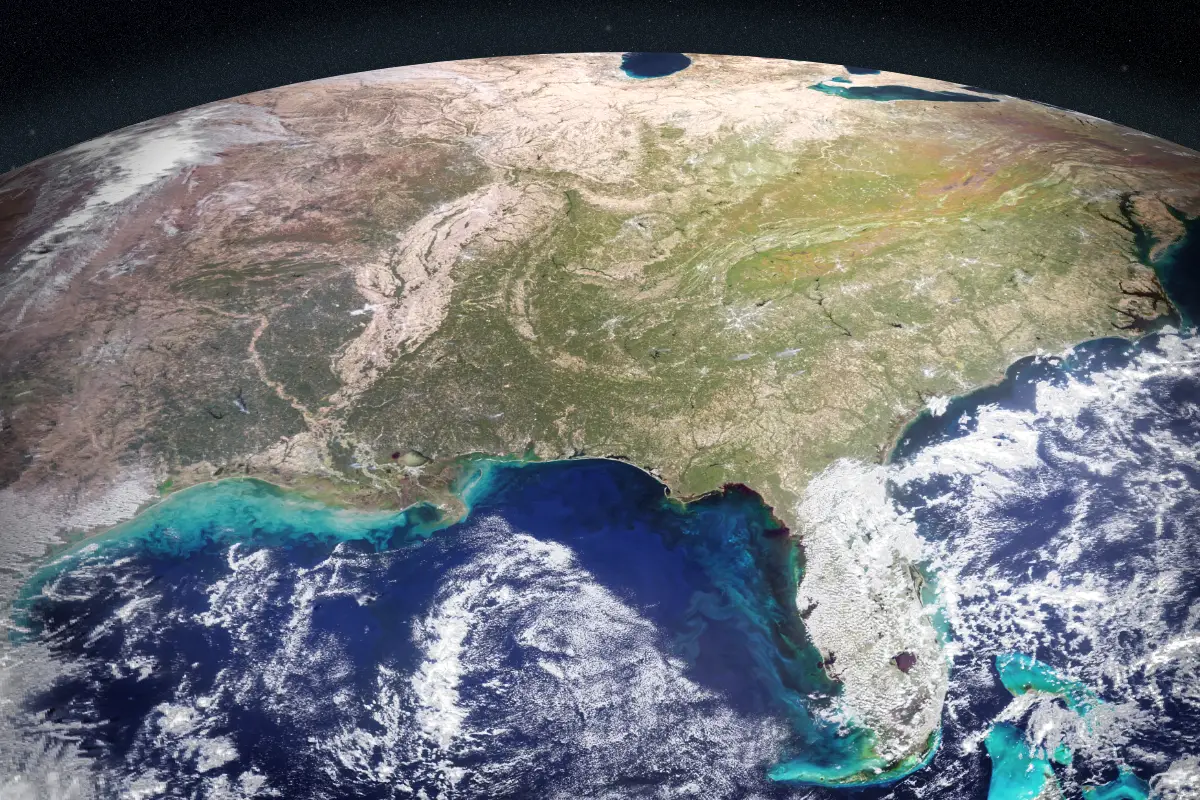
Harmful algal blooms cost US economies millions of dollars every year (NASA)

Nadya Vinogradova Shiffer, who is the lead program scientist at NASA Headquarters in Washington, said: “Applying self-supervised AI to massive streams of satellite data is rapidly becoming a powerful tool for generating actionable ocean intelligence.”

The team is now working to improve the tool further with more data and recent estimates appear to suggest that this device could shrink economic losses from the blooms by up to $234 a year.

Study author Kelly Luis added: “The aim of this work is to start to bridge technologies to better serve end users and their needs, from aquaculture to tourism. To do that, we’re going to bring all our NASA assets to the table.”

Choose your content:

29 mins ago
2 hours ago
6 hours ago
  • JRE Clips / YouTube
    29 mins ago

    Joe Rogan leaves NASA astrophysicist stumped after asking question she 'can't answer'

    It's something that technically can't be explained with physics

    Science
  • @‌WhiteHouse / X
    2 hours ago

    White House quietly dropped UFO footage after hijacking 'Aliens.gov' website

    Declassified videos are accompanied by a statement about immigration

    Science
  • NurPhoto / Contributor via Getty
    6 hours ago

    Doctor warns of side effect of 'zebra striping' drinking trend that's supposed to avoid brutal hangovers

    When a pint of water before bed and two paracetamol just won't cut it

    Science
  • World Meterological Organization
    6 hours ago

    Major new UN report says the Amazon is about to enter a dangerous five-year dry spell

    It comes alongside global temperate increases for the next half a decade

    Science
  • AI just solved an 80-year-old math problem that certified geniuses thought impossible
  • The ISS is 'bleeding' again as NASA engineers brace for 'catastrophic failure'
  • Google unveils 24/7 AI agent that works for you even when your laptop is closed
  • Alabama high school students now being trained for $40 an hour roles that can't be 'taken over' by AI