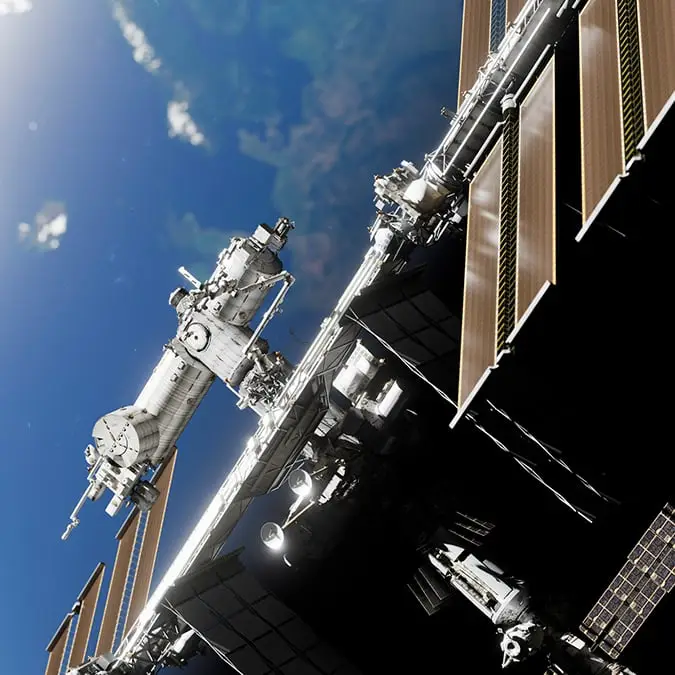
The ISS is 'bleeding' again as NASA engineers brace for 'catastrophic failure'


The International Space Station (ISS) is in the final years of its operational life, with it scheduled to retire and be deorbited by the end of 2030.
And it certainly seems like the space station is starting to show signs of aging, with the last five years spent trying to fix hairline cracks in some of its oldest modules.
Now, NASA engineers are bracing for a potentially ‘catastrophic failure’ as it appears the ISS is ‘bleeding’ air out into space.
The agency confirmed that data analysis has suggested that the ISS is losing around one pound of air every day.
Advert
Speaking to Ars Technica, NASA spokesperson Josh Finch explained: “Teams performed data analysis, which indicated a loss of about one pound per day. Roscosmos allowed the pressure in the transfer tunnel to gradually decrease while monitoring the rate. The area now is being maintained at a lower pressure, with small repressurizations as needed.”
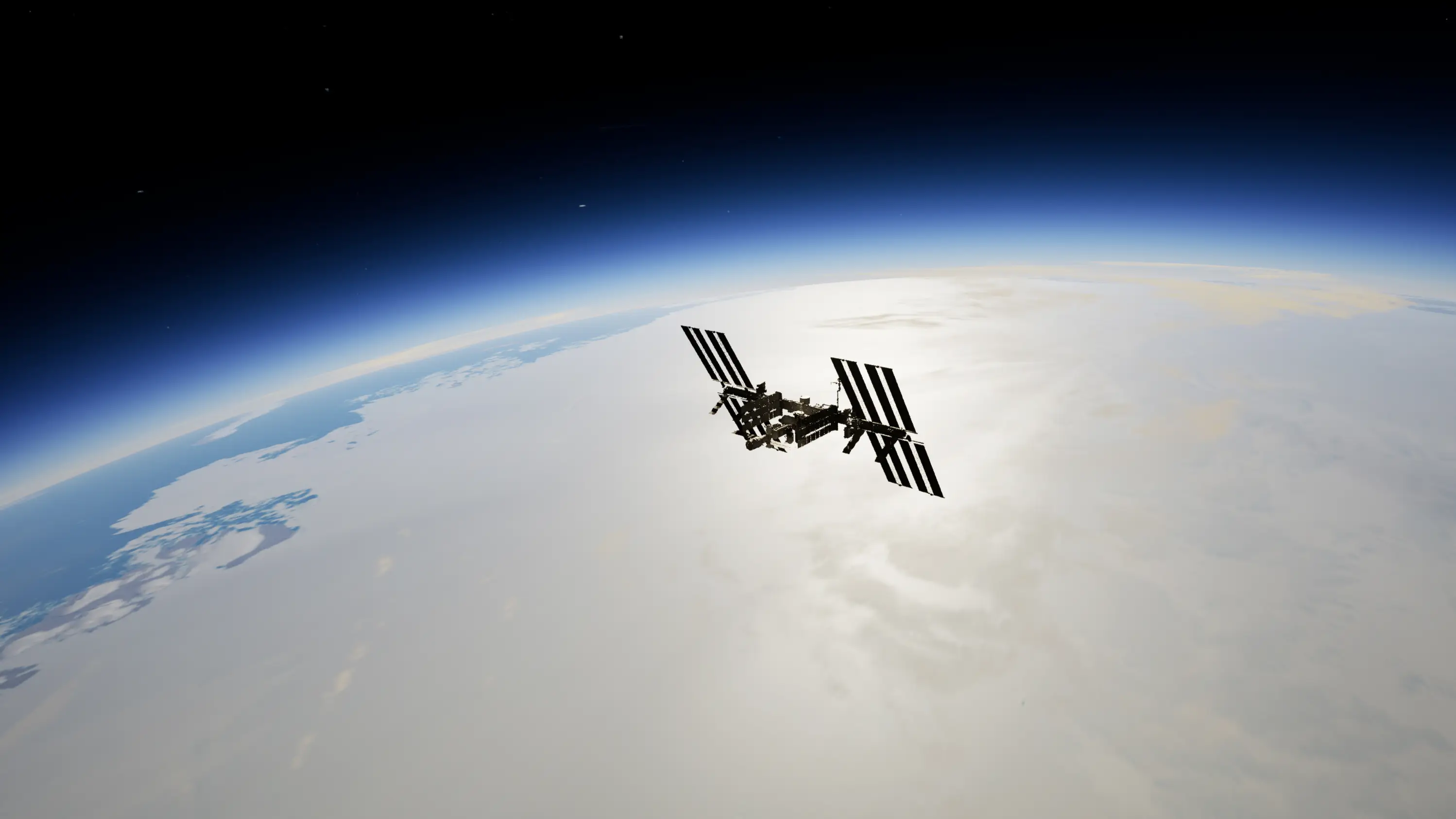
Finch went on to say that there are currently ‘no impacts to station operations’ and that both NASA and Roscosmos, which is the Russian space agency, are ‘coordinating on next steps’.
According to Ars Technica, the potential for ‘catastrophic failure’ has been discussed in meetings behind closed doors, as using NASA’s 5x5 risk assessment, these leaks have been given a 5 on its likelihood and consequence factor.
Phil McAlister, who is NASA’s former director of commercial spaceflight, added: “This further confirms the wisdom of the current policy of retiring the ISS in 2030 and replacing it with more modern, more cost-effective, and safer commercial platforms.”
This isn’t the first time NASA has had to deal with seemingly tiny but concerning cracks on the ISS.
One of the first major cases involved the station’s cooling system rather than the crew cabin itself.
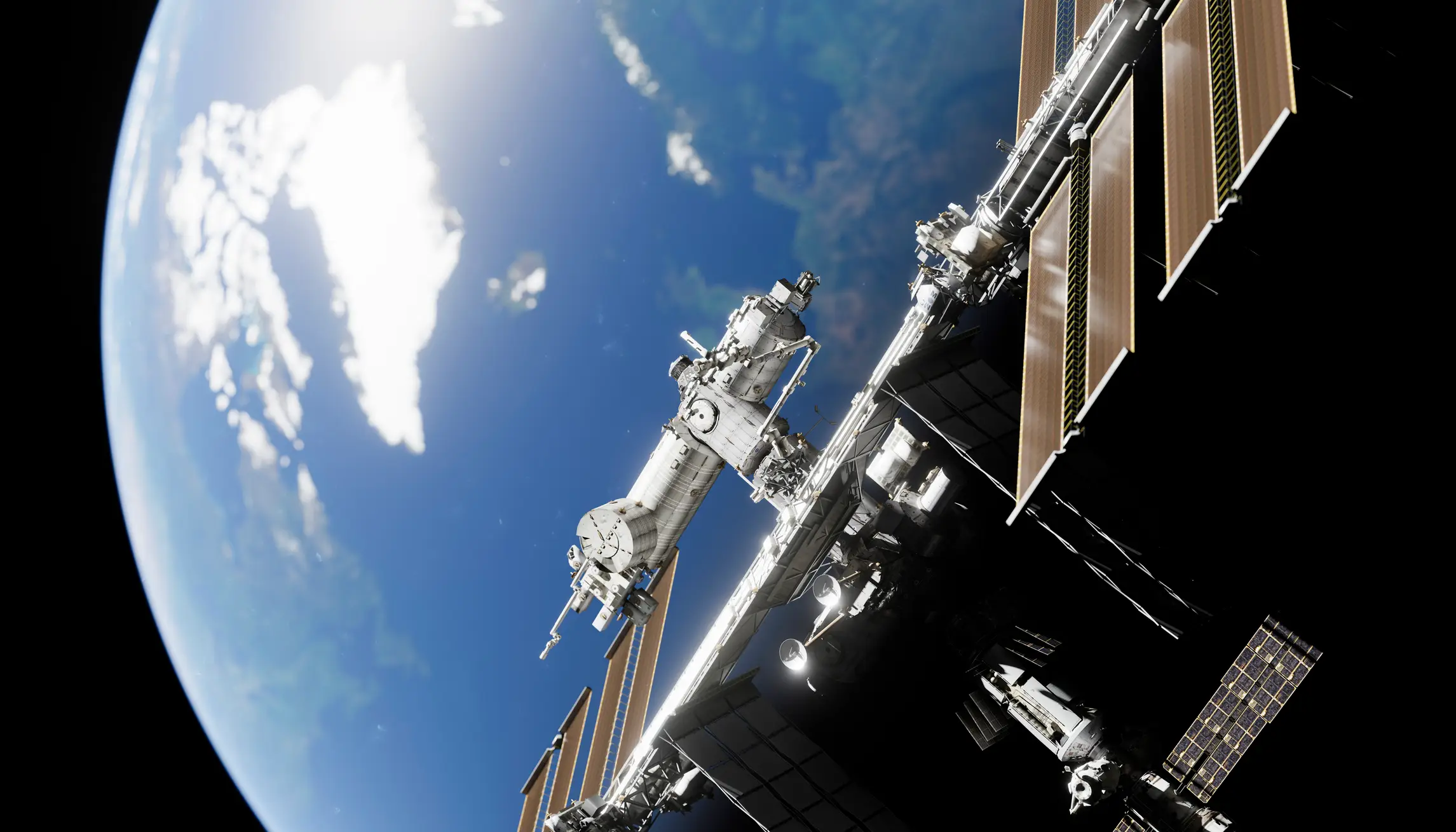
The ISS relies on giant external radiators filled with ammonia to stop onboard electronics from overheating and, in 2011, NASA noticed pressure dropping in one of those cooling loops.
In 2018, another incident occurred when astronauts started to notice a slight but unexplained drop in air pressure inside the station.
After searching module by module, they discovered a tiny hole inside a docked Russian Soyuz spacecraft.
While the opening was only around two millimeters wide, in space, that’s big enough to cause concern.
This was temporarily patched up with tape and gauze before it was sealed more permanently.
But the ISS only has around four more years to go before it is decommissioned, so temporary fixes may have to do for now.