
NASA officially trigger medical evacuation of ISS astronauts for the first time in history


For the first time in its history NASA has had to officially trigger a medical evacuation of astronauts on board the International Space Station, as one of the members of Crew-11 has suffered an emergency situation.
It takes a lot for an astronaut to be ready to head up to the International Space Station (ISS), as not only do you need to have the knowledge and expertise to justify your place, but your physical health also needs to be in tip top condition.
That certainly makes sense considering the fact that you'll be away from any proper medical help for weeks, if not months at a time, yet the nature of the human body and the effects of space make it unpredictable how your body will react.
Astronauts returning from the ISS have to undergo rigorous physical tests and rehabilitation processes once they're back on Earth, but NASA has had to cut its latest mission off early for the first time ever due to an unforeseen medical emergency.
Advert
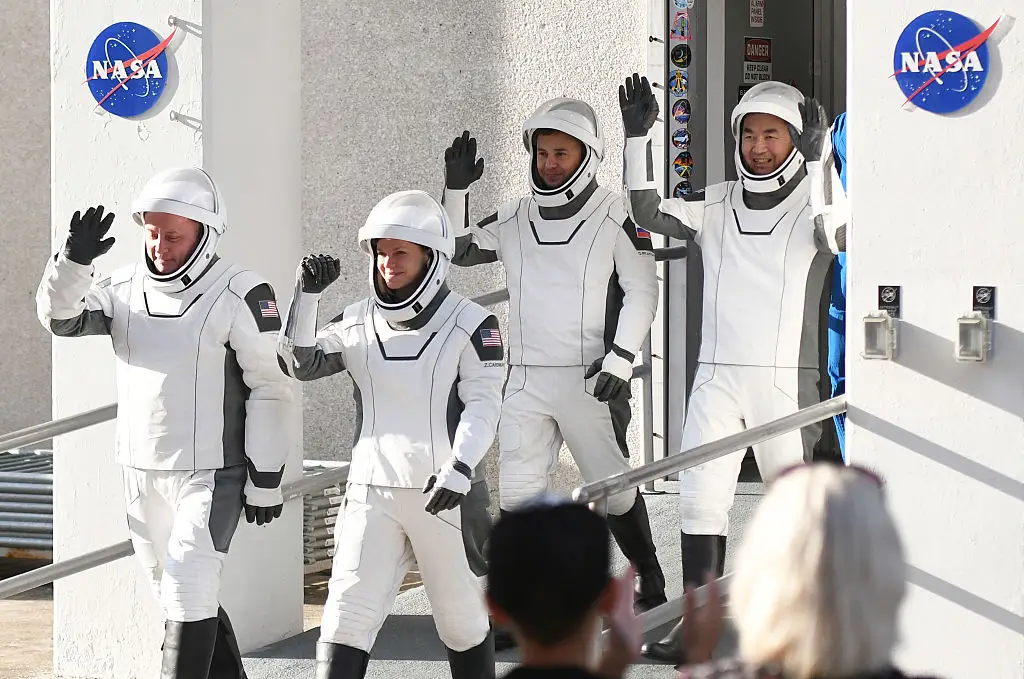
As reported by the Daily Mail, NASA initially cancelled a scheduled spacewalk this week on Thursday due to a medical issue with one of the astronauts on board, and has since announced that Crew-11 would not be continuing its mission, with a safe return being worked out over the next 48 hours.
NASA has declined to reveal which of the four astronauts from Crew-11 is suffering the medical issue, but has assured everyone that the individual is not in any immediate danger and that they are simply 'erring on the side of caution' for the affected person.
Included in the mission are NASA's Zena Cardman and Mike Fincke, Japan's Kimiya Yui, and Russian Cosmonaut Oleg Platonov. They were recently joined by Koichi Wakata and NASA's Chris Williams who arrived on a Soyuz aircraft, and the latter will remain onboard the ISS to maintain US presence.
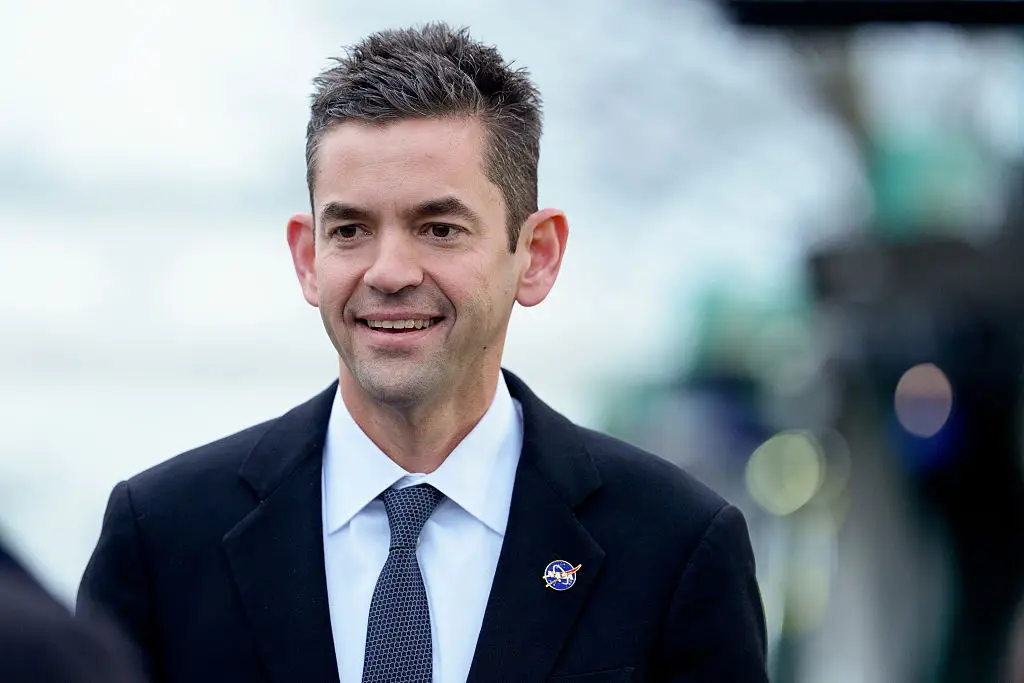
Dr James Polk, NASA's chief medical officer, explained that "it's mostly having a medical issue in the difficult areas of microgravity," illustrating that no special precautions or measures have to be put in place before the crew returns to Earth, as the astronaut in question is in a 'stable' condition.
Jared Isaacman, the space agency's chief administrator, noted that its planning to use existing landing sites as opposed to an emergency one, adding that he's "proud of the swift effort across the agency thus far to ensure the safety of our astronauts."
While NASA has never had to deal with a situation like this before, the protocols that are being used have been built into every previous ISS mission just in case they had to be activated, and this particular scenario was deemed serious enough to do so for the first time in nearly 30 years.