Experts reveal what could have gone wrong as NASA evacuates astronauts on ISS for first time in history


There are currently 10 astronauts in space, spread across the International Space Station and China's Tiangong, but there will soon be a little more room on the ISS due to a medical emergency.
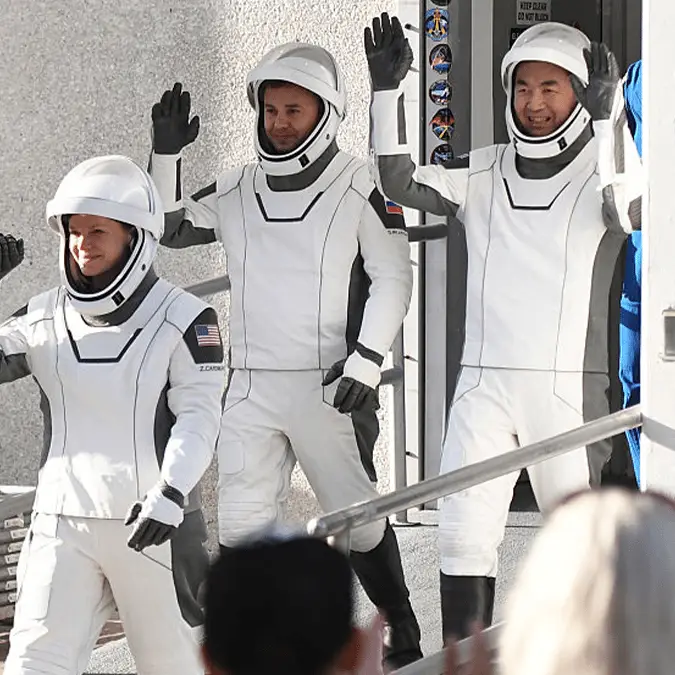
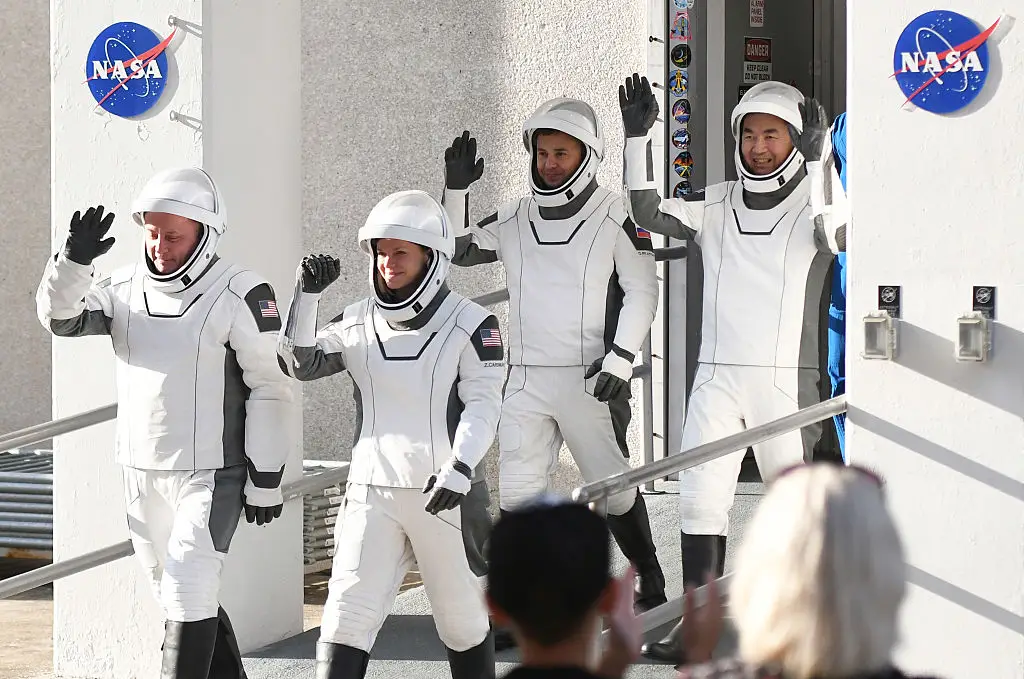
In an unwanted historical first for the ISS, SpaceX's four Crew-11 astronauts are being evacuated for a hopeful January 15 splashdown.
NASA has kept everyone updated after a proposed spacewalk for Mike Fincke and Zena Cardman was postponed, while there were later rumblings that the Crew-11 team could be evacuated.
It's been confirmed that Fincke, Cardman, Japan's Kimiya Yui, and Russia's Oleg Platonov have been evacuated, although NASA hasn't confirmed what the medical emergency was or who it was affecting.
Advert
Chief Medical Officer Dr James Polk reiterated that the unnamed astronaut's predicament wasn't caused by any space operations or from an injury that was sustained on the ISS, explaining: "It's mostly having a medical issue in the difficult areas of microgravity."
With everything from muscle and bone atrophy to DNA damage from the radiation of space, experts have told the Daily Mail what might’ve gone wrong.
Blood clots
It's said that astronauts are in a constant state of freefall aboard the ISS because it's orbiting Earth at a nippy 28,000 km/h. A lack of gravity causes the fluids in your body to shift into the upper body, which can cause clots in key areas like the head and neck. A study from San Jose State University's Dr Anand Ramasubramanian revealed how blood cells can get trapped in tiny vortexes around the valves in our veins.
NASA also states that this could be dangerous because fluid shifts reduce blood volume and can lower the function of our hearts. Clots aren't always dangerous, but in 2020, one NASA astronaut had to make the most of a dwindling supply of blood thinners when they developed a large clot in their internal jugular vein.
Bone and muscle atrophy
As we saw from the rehabilitation of Suni Williams and Butch Wilmore, a lack of gravity can have a serious effect on your bones and muscles. We've already reported on the brutal regime that ISS astronauts have to undergo to help combat this. Westminster University's Professor Jimmy Bell told the Daily Mail: "We know from long studies of astronauts that bone and muscle density atrophy (waste away) in microgravity."
Despite their strict calorie-controlled diets, astronauts are at a much higher risk of muscular and skeletal conditions. Even though the Crew-11 evacuation isn't said to be to do with an injury, bone and muscle atrophy make things a lot more dangerous.
Loss of vision
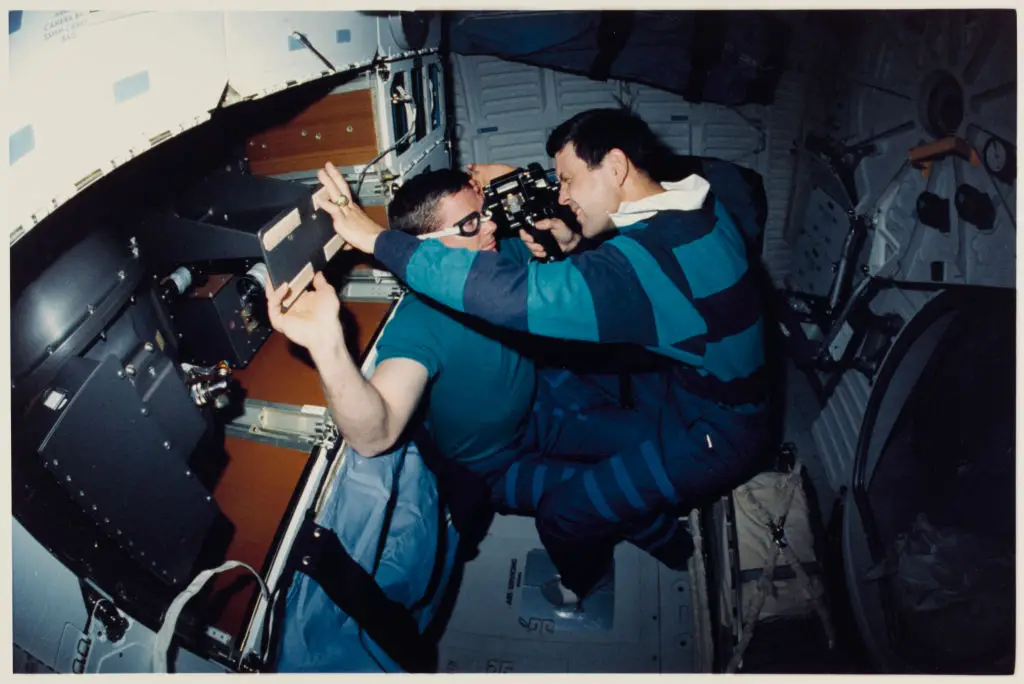
Fluid shifts in space can also affect our vision, with NASA saying over 5.6 litres of liquid can move upwards through your body. This can lead to 'puffy face syndrome' where tissue in your head swells, which could then evolve into 'spaceflight-associated neuro-ocular syndrome'. Here, pressure around the optic nerve is known to swell the connection between the eye and the brain, thus flattening the back of the eye.
Approximately 70% of ISS astronauts will experience some swelling at the back of their eyes, but it varies in terms of intensity. If severe enough, this might be what led to the canceled spacewalk and triggered the evacuation.
General health decline
Finally, Professor Bell suggests that a general decline in health could be the culprit. Being outside of Earth's electromagnetic field can do serious damage to your health: "Given that life evolved within this electromagnetic field, the question would be: 'What happens if you remove it?'
"People are beginning to show that growing cells, or even developing animals, without these fields face very significant biological effects which we don't yet understand."
Astronauts are also 'starved' of the infrared radiation that our bodies need from the Sun. Despite NASA being aware of the problem for 'quite a while', it still doesn't have a way to replicate natural sunlight.
Considering that space is thought to alter the mitochondria that power our cells, contributes to excessive aging, affects our immune systems, and even our circadian rhytmn, Bell thinks this cocktail could've led to the evacuation: "All these effects, when you put them together, appear to have a very fundamental effect, to the point that there are some people who believe that humans will never be able to actually do long-term travel.
"I think that it [the condition affecting the NASA astronaut] is an accumulation of all these factors that got to a point of criticality."
Whatever has happened on the ISS, we won't expect to know more until the quartet is safely back on dry land and doctors have seen to whatever led to this unwanted first for the space station.