
Elon Musk's $1,000,000,000 plan to destroy ISS as he announces 'it's time' for it to go


By the year 2030, NASA plans to officially shut down the International Space Station.
After two decades of orbiting Earth, the ISS will be decommissioned, deorbited and destroyed - marking the end of an era in space exploration.
Although, Tesla billionaire Elon Musk want this done sooner as he believes the ISS has outlived its usefulness.
Taking to X, Musk wrote: "It is time to begin preparations for deorbiting the Space_Station It has served its purpose."
Advert
He then responded to a comment on the post, adding: "My recommendation is as soon as possible. I recommend 2 years from now."
Leaving the ISS floating in orbit isn’t an option. In June last year, the US space agency awarded SpaceX a $1 billion (£778 million) contract to help destroy the ISS safely.
But just how exactly will bringing down the largest object ever constructed in orbit go down?
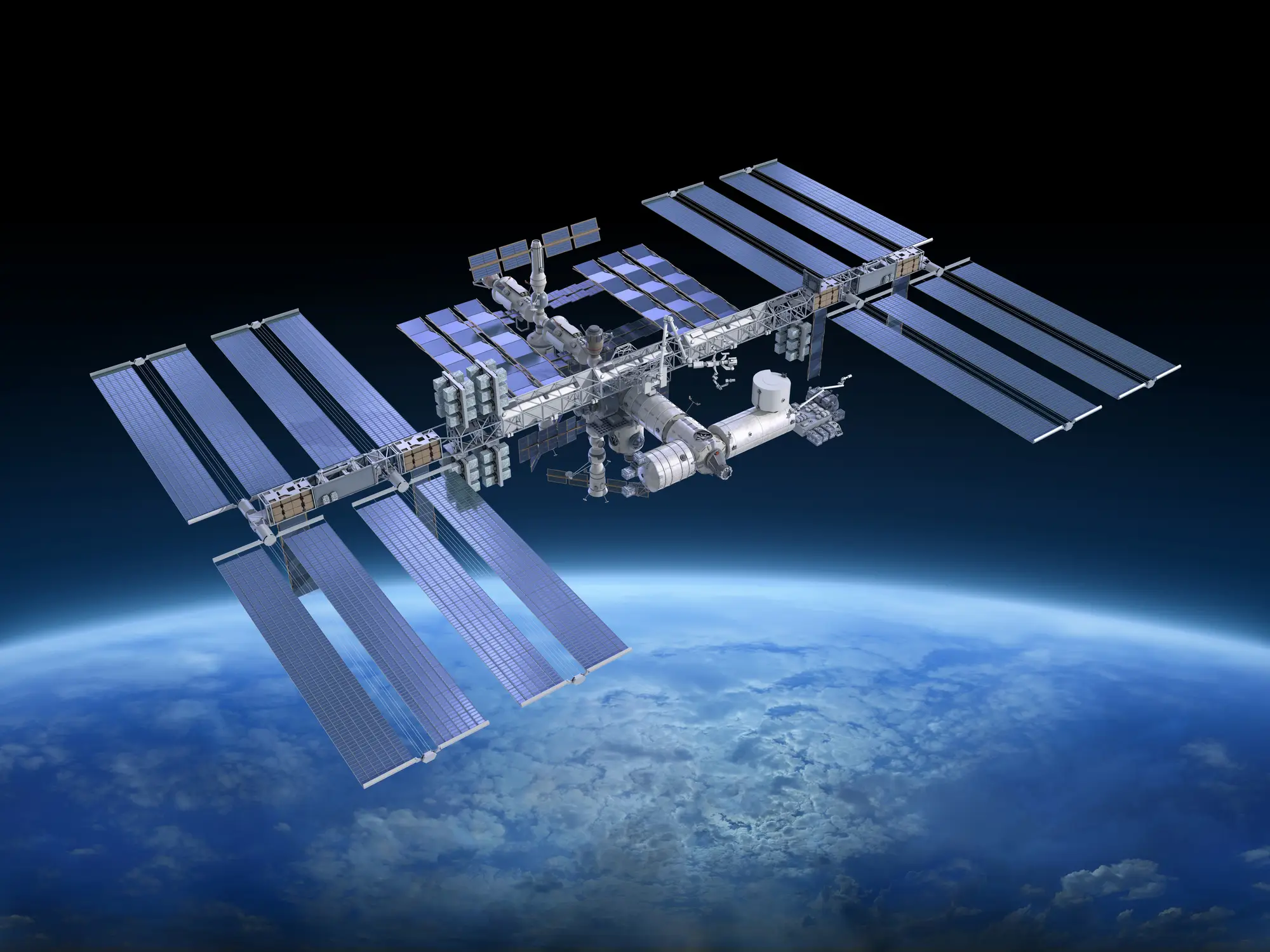
“The ISS could break apart and create a lot of fragments and debris,” says Professor John Crassidis, an expert on space debris from University at Buffalo, New York.
“That debris could hit other debris and we end up with something called Kessler Syndrome." This chain reaction could create more collisions, potentially wiping out our communication satellites and making future space missions nearly impossible.
Starting in 2026, the station will naturally sink from 400km (248 miles) to 320km (199 miles) due to Earth's atmosphere.
About six months before re-entry, astronauts will abandon the station, leaving it unmanned for the first time in over 25 years. Once the ISS reaches 280km (174 miles), a SpaceX-designed tug (adapted from the Dragon capsule) will push it further down to 220km (137 miles). Here, the thicker atmosphere will take over and rob the outpost of its remaining orbital energy.
As the ISS plunges through the atmosphere, intense friction will tear it apart. “The solar panels will be the first to separate and break up,” noted Crassidis.
However, not every part of the ISS will be incinerated.
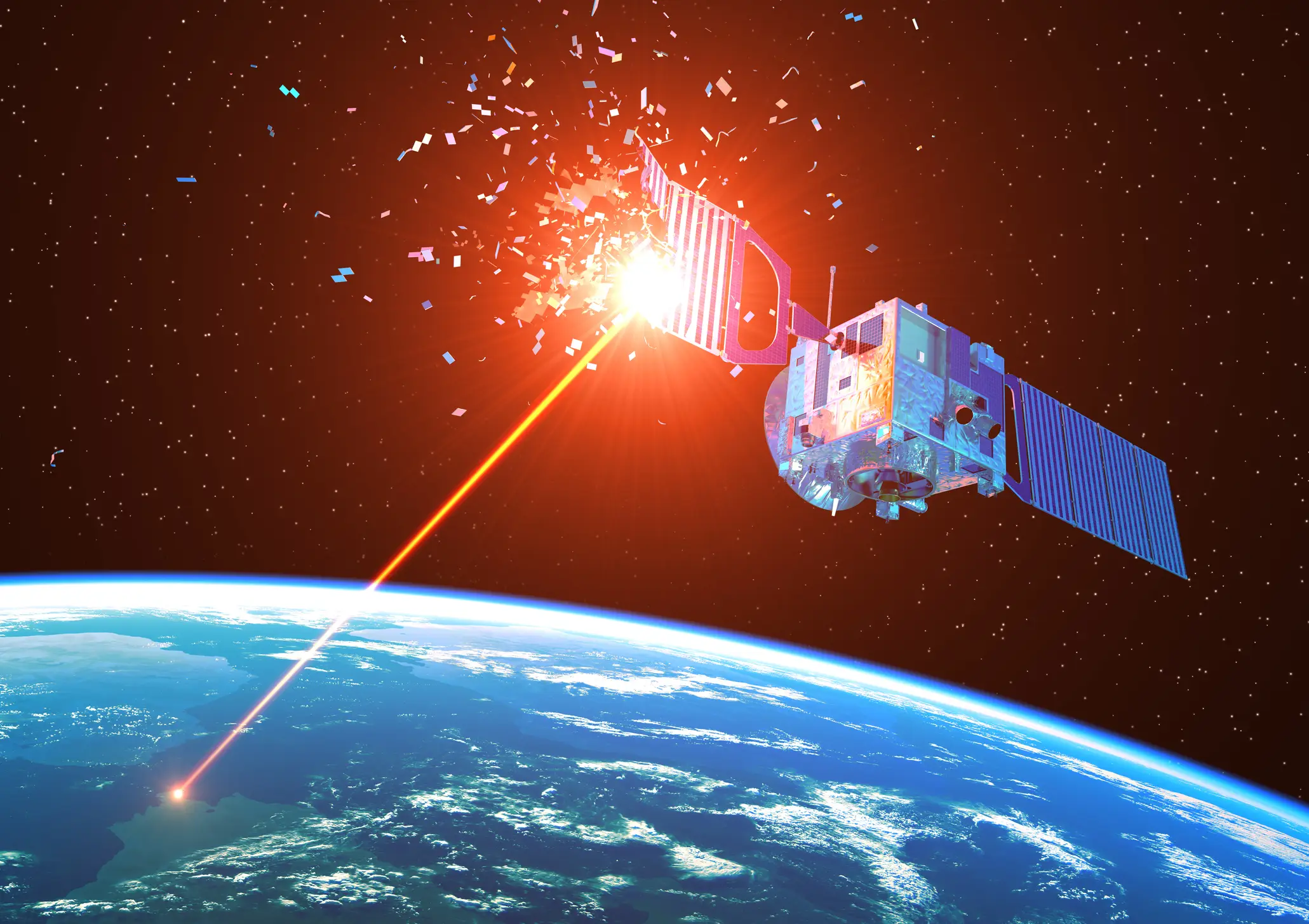
Some of its heavier components, like the truss segments, may survive re-entry and land in the ocean. As such, mission controllers will need to ensure that the remaining debris is as far away from people as possible. They agreed on a remote part of the Pacific Ocean called Point Nemo.
This 'spacecraft cemetery’ claimed its name since becoming the final resting place for hundreds of decommissioned spacecraft, including Russia’s Mir space station, which was brought down in 2001. The closest land to the site is Motu Nui, a tiny volcanic island near Easter Island, sitting over 2,700km (1,678 miles) away.
Within an hour, whatever remains of the ISS will sink to the seafloor, having crashed into the ocean at a few hundred miles per hour.
But dumping space hardware parts in the ocean doesn't come without risk.
Some NASA experts argue that toxic and radioactive materials could survive re-entry and leak into the Pacific. Not only that but the act of dumping the ISS could violate United Nations environmental laws, which require nations to 'protect and preserve the marine environment.'
But, unless a better solution comes about, NASA and SpaceX are moving forward with their current plan to bring the ISS down as safely as possible.