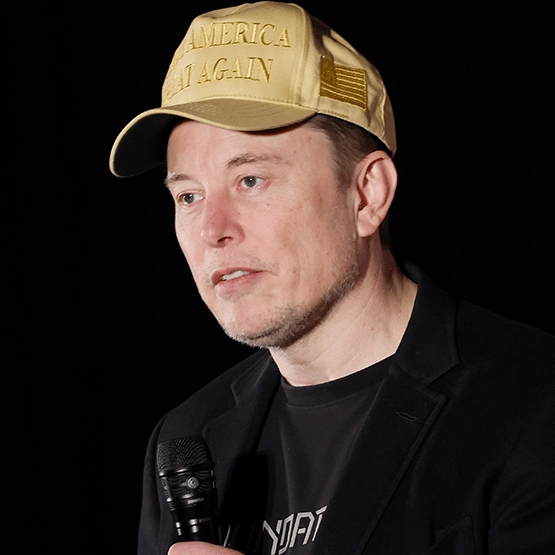
NASA pays Elon Musk’s SpaceX $843,000,000 to destroy the International Space Station


The richest man in the world is getting another healthy paycheque - well, one of his companies is.
Elon Musk's SpaceX isn't just known for building rockets and trying to get us from New York to London in 30 minutes. It's also in the demolition business.
The International Space Station was built all the way back in 1998 in a joint venture between NASA (America), Roscosmos (Russia), ESA (Europe), JAXA (Japan), and CSA (Canada). Unfortunately, it's looking a bit tired while circling up there in the cosmos, with NASA already penciling in its eventual destruction.
Advert
The ISS hovers some 400 km (250 miles) above us and has had a crew since 2000.
Unfortunately, its legacy as holding host to thousands of important space experiments is coming to an end.
Although engineers say the laboratory is structurally sound, other bits aren't faring as well and would eventually see the ISS fall to Earth of its own accord. The last thing you want is a 430-ton space station crashing in your neighborhood.
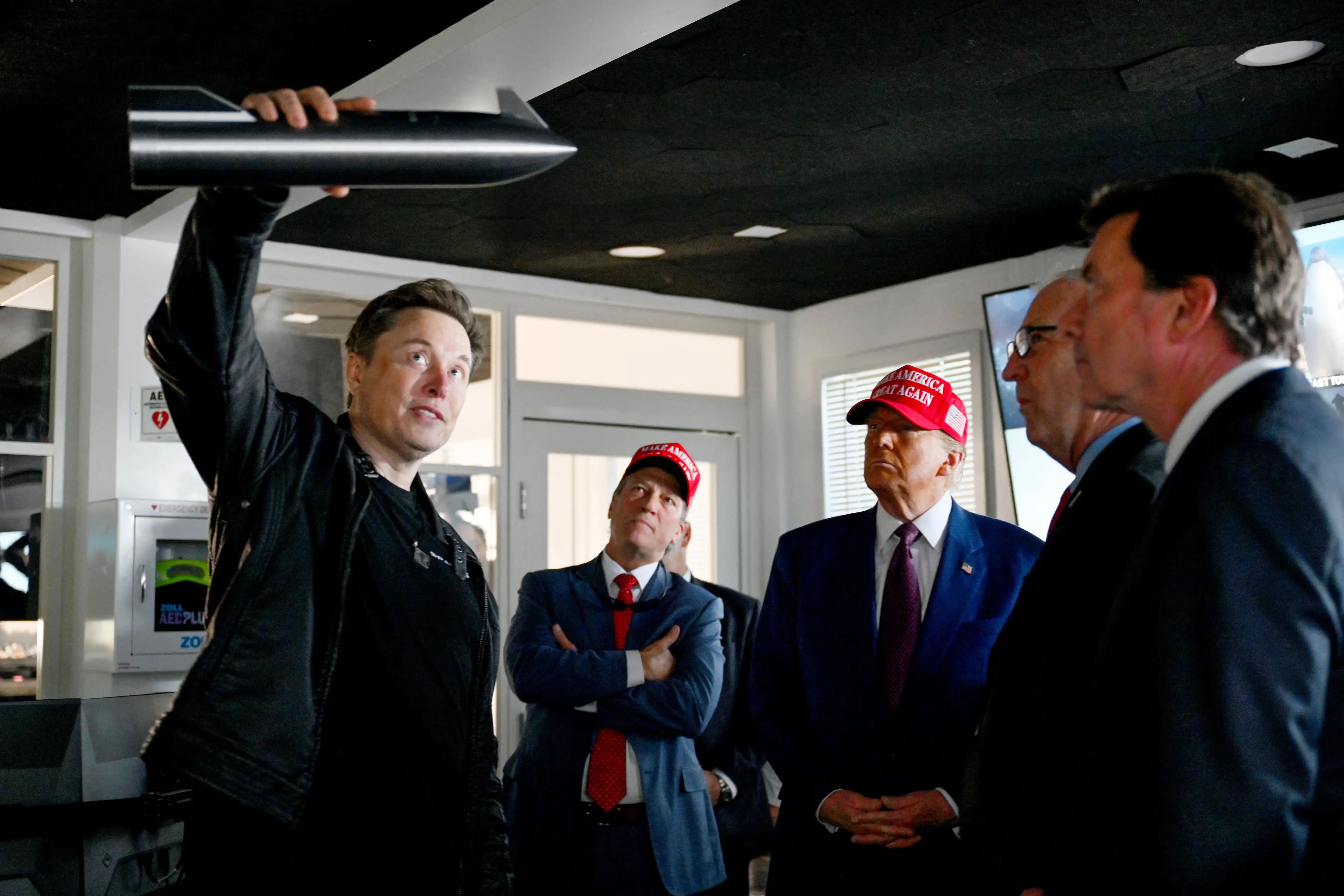
NASA has awarded SpaceX the lucrative $843 million contract to destroy the ISS, with plans to build a massive ‘tug boat’ that's able to pull the ISS toward the Pacific Ocean.
For those hoping it'll become some environment-saving underwater reef, don't expect to find much left because NASA has said the ISS will 'destructively break up.'
Still, some elements are expected to survive the immense heat of re-entry.
Ken Bowersox, NASA's associate administrator for Space Operations Mission Directorate, explains: "The orbital laboratory remains a blueprint for science, exploration, and partnerships in space for the benefit of all."
While SpaceX will build the deorbit craft, NASA will then take over and operate the demolition mission. Sorry Elon, you won't be able to fire a giant laser at it.
The date to mark in your diary is some time around 2030, with NASA saying it's putting its efforts into 'commercially owned space destinations closer to home’.
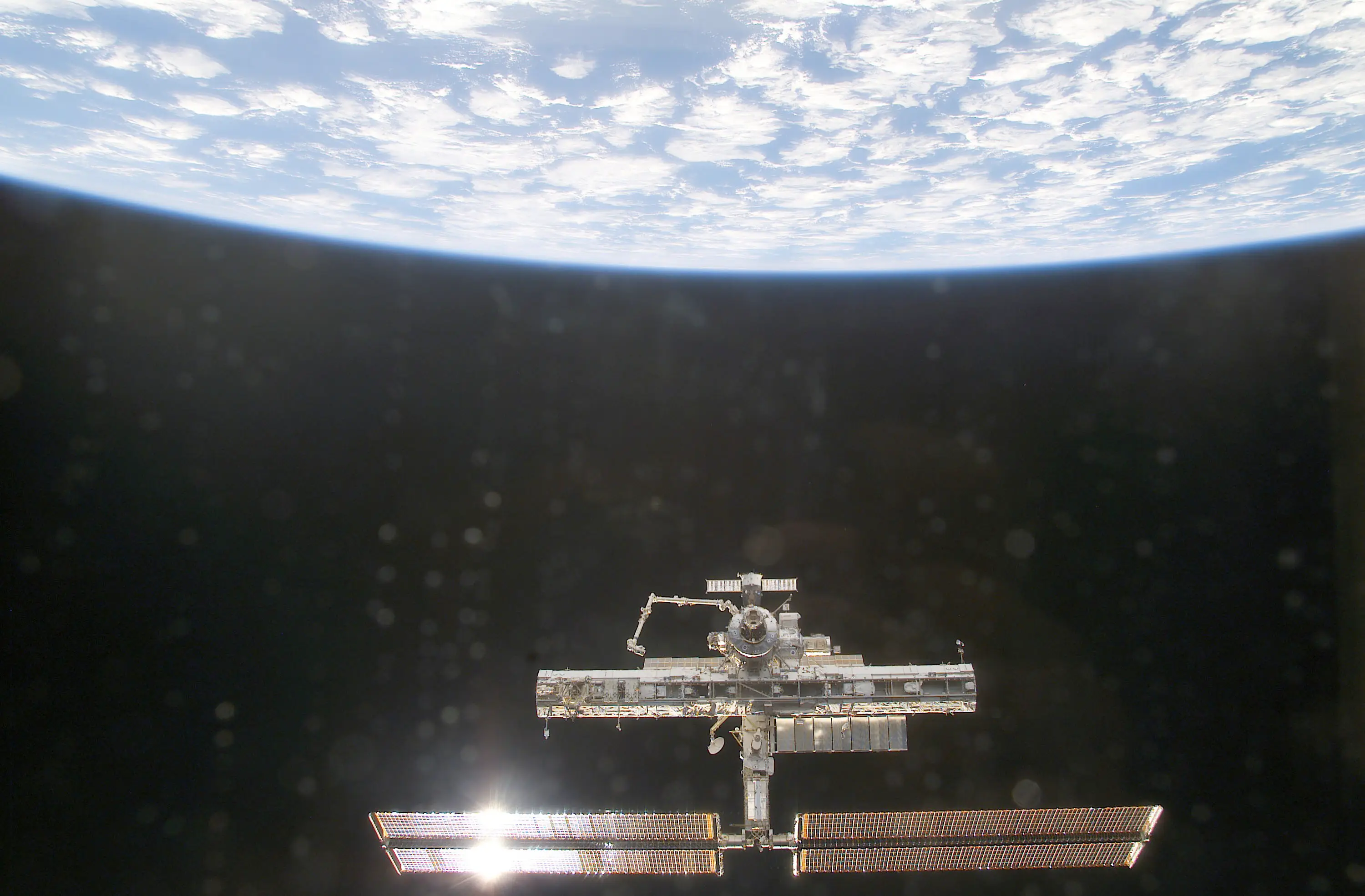
Most countries have agreed to support the ISS until 2030, while Russia has vowed to carry on until 2028.
As for what's next, private companies including SpaceX, Jeff Bezos' Blue Origin, Axiom, and Vast are all looking into commercial space stations that could launch as early as 2025.
Bowersox continued: "Selecting a US De-orbit Vehicle for the International Space Station (ISS) will help NASA and its international partners ensure a safe and responsible transition in low Earth orbit at the end of station operations. This decision also supports NASA's plans for future commercial destinations and allows for the continued use of space near Earth."
In terms of the ISS' final resting place, it's being aimed at the remote Point Nemo in the middle of the Pacific Ocean. Being some 2,500 km from the nearest piece of land, it's unlikely to become a tourist hot pot.