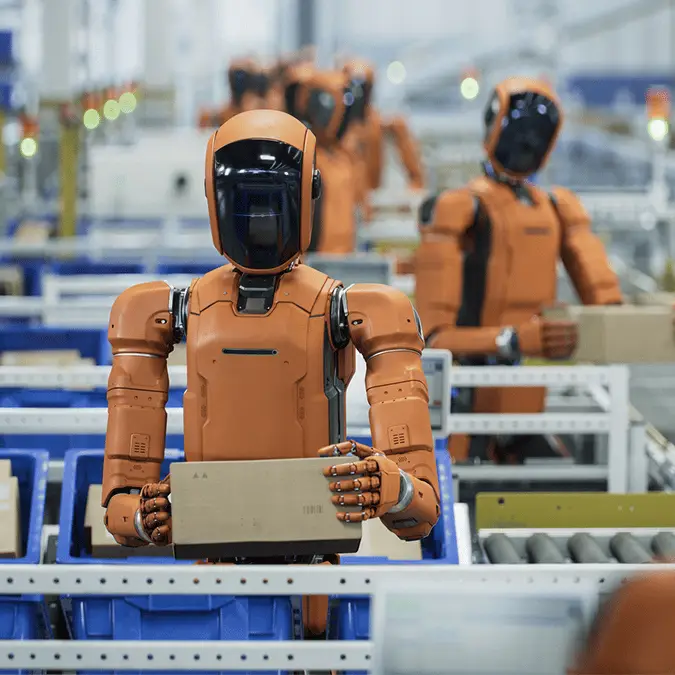
Alabama high school students now being trained for $40 an hour roles that can't be 'taken over' by AI


One of the biggest fears emerging alongside the rapid rise of artificial intelligence is its impact on the job market, as many people have already lost their jobs to advancements in the tech.
Many prominent tech figures have predicted that only a handful of jobs will survive the AI 'revolution' in the coming years, and it appears to be particularly devastating for white collar work — including even those at the top of the employment food chain.
While it could lead to a world where work isn't necessary for survival anymore, many are rightfully worried about their future prospects in an economy that's already hostile towards the poorest individuals, yet one company has teamed up with a high school to prepare students with a job that AI seemingly can't touch.
Advert
As reported by Fortune, a new $40 million facility has been built on the Huntsville Center for Technology (HCT) following an investment of $1 million through car manufacturer Toyota's charitable program.
This facility, which will be used by around 700 students alongside their regular high school curriculum, allows teenagers to gain industry-standard training that won't just cover some of the biggest gaps in employment, but also theoretically protect them from a shrinking job market.
Palantir CEO Alex Karp has already argued that vocational work is the one area that won't be impacted by AI in the future, and preexisting shortages mean that this particular role that students are being trained for could also earn them a lot of money — with some jobs paying as much as $40-per-hour.
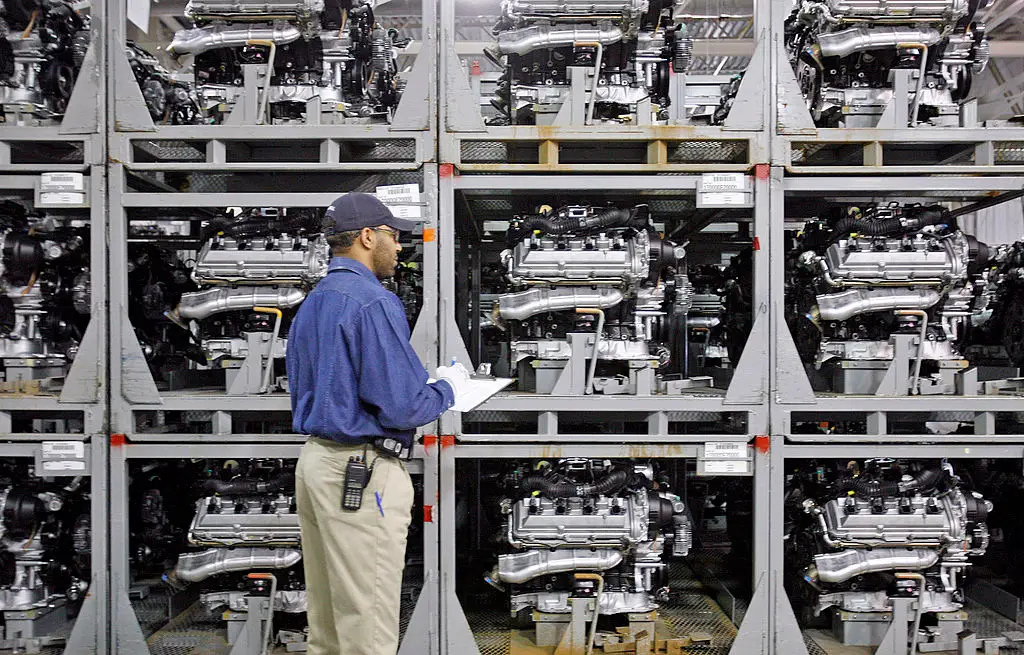
It's particularly relevant to the local community too as one of Toyota's biggest U.S.-based factories is found in Huntsville, with nearly half of the manufacturer's vehicle engines being made in the Alabama city.
Some have expressed doubt regarding the continued economic benefit of roles like this in the future, with one commenter on Reddit noting that it "won't be paying $40 an hour for long when everyone can do it because the labor supply grows."
Another added, speaking from their own experience in finding a previously-underemployed role, that "the take away here is it only pays well if you are A working 50+ hours a week, or B have the sort of specialty that nobody else wants to do or can do."
Anyone who was encouraged to retrain into cyber or learn how to code across the last decade and a half is certainly feeling that impact now, and there's no guarantee that advancements in automation won't be able to emulate the role of a vocational worker in the future, leaving everyone in the same situation once more.