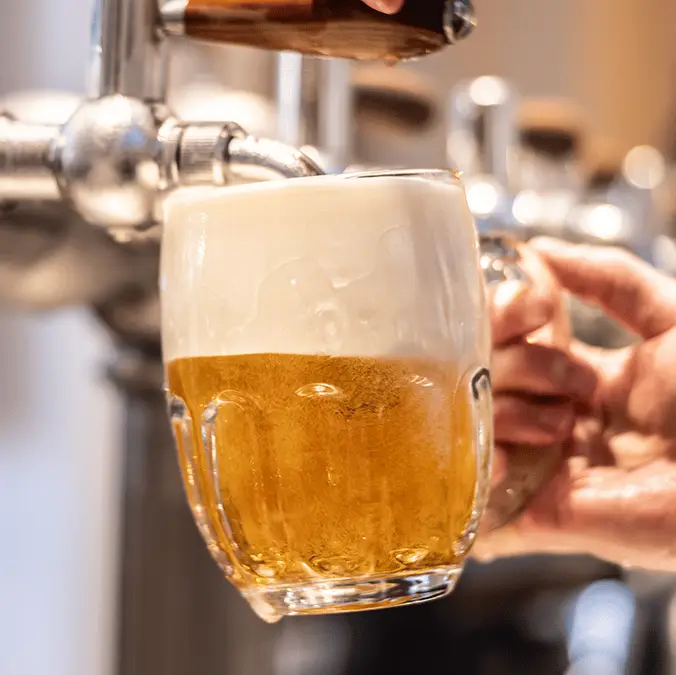
Cancer researcher invents vaccine administered by a cold glass of beer


A cancer researcher has invented a groundbreaking vaccine you can drink.
For anyone with a fear of needles, the future of vaccination might involve nothing more than enjoying an ice-cold pint.
Science is making remarkable strides that could transform how we approach treatment. In recent months, some pharmaceutical giants, such as Novo Nordisk, have been developing an Ozempic-style semaglutide tablet for weight loss. Eli Lilly isn't far behind, working on a pill called orforglipron that's delivering promising outcomes in early studies.
Now, vaccines might be heading down a similar path.
Advert
Virologist Chris Buck runs the nonprofit Gusteau Research Corporation, a one-person operation 'promoting the development and free sharing of scientific ideas and materials.'
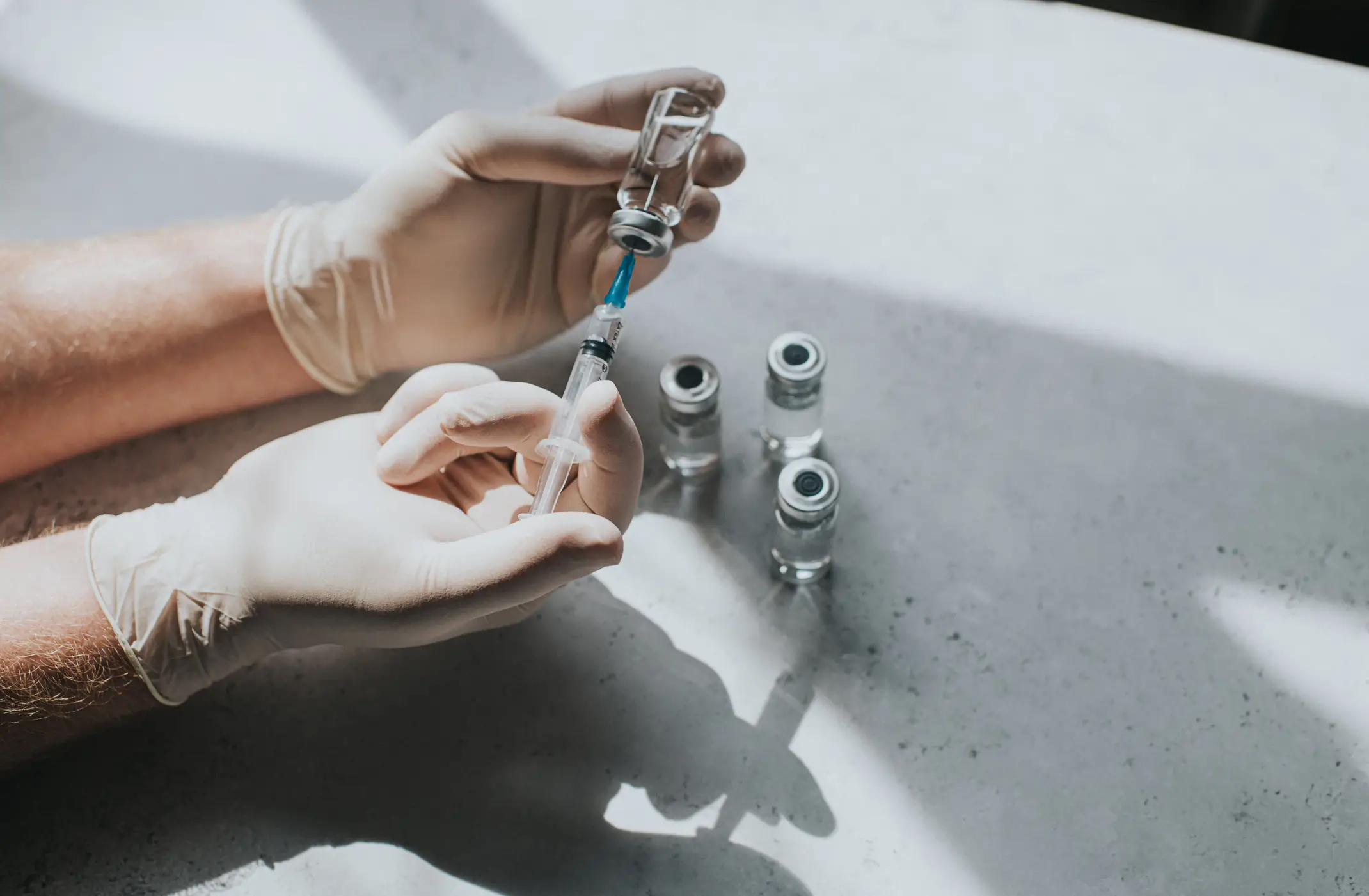
Buck works at the National Cancer Institute (NCI) in Maryland, where he and his colleagues have spent over 15 years developing an injectable polyomavirus vaccine.
Polyomaviruses have surface proteins arranged in a distinctive repeating pattern, which the immune system recognises as 'an innate danger signal,' Buck told ScienceNews. This makes polyomaviruses ideal vaccine candidates.
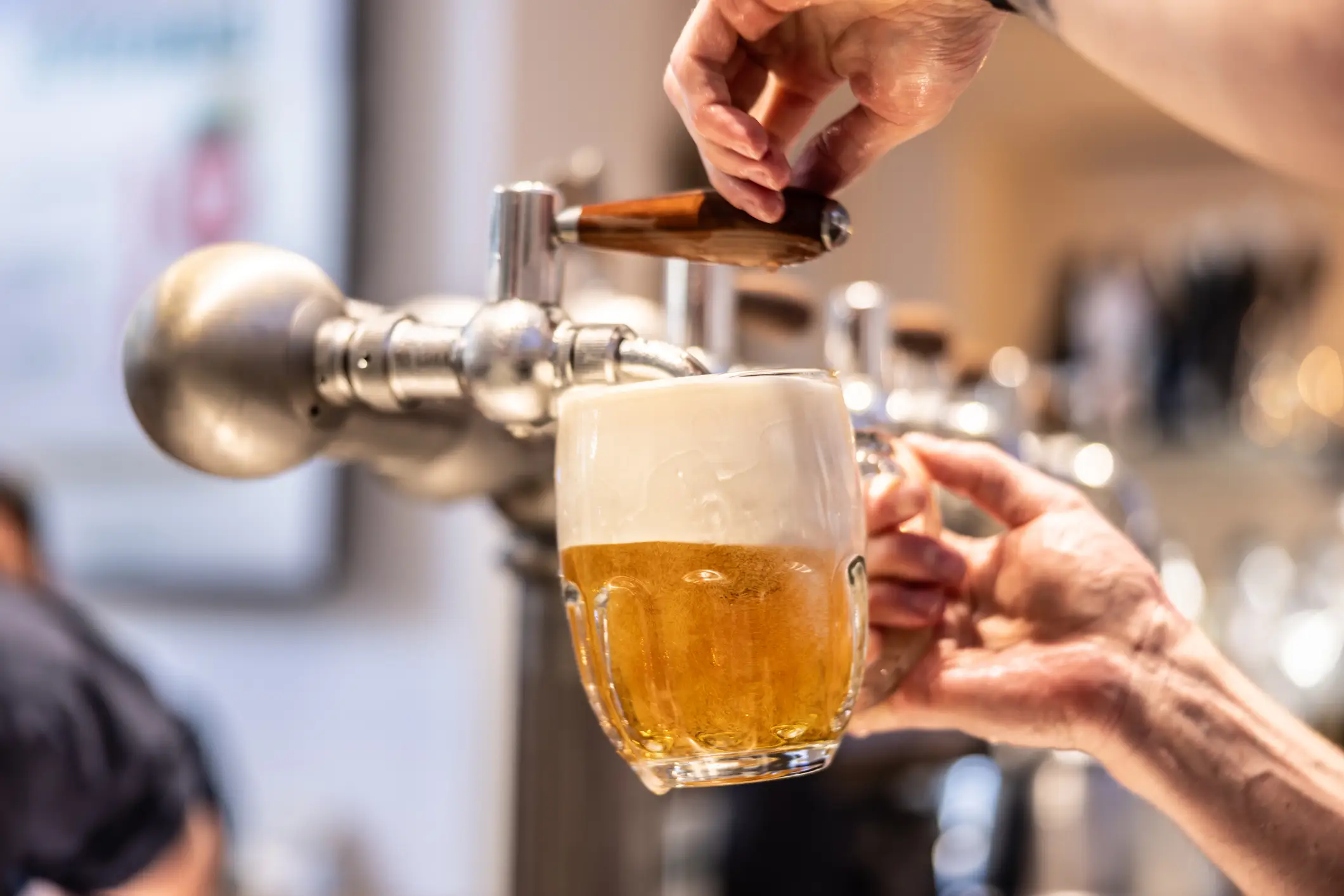
Now, by engineering a special strain of yeast containing polyomavirus-like particles, Buck developed an ingestible vaccine in the form of beer.
“We repeated this experiment [on mice] a couple of times. I was reluctant to believe it,” Buck explained at the World Vaccine Congress Washington earlier this year. “It felt like an earthquake when I first saw the results emerging.”
After testing the 'vaccine beer' on himself and his family, Buck reports that antibodies for two of the four BK polyomavirus subtypes in his blood have reached medically safe levels for transplant patients - and nobody experienced any adverse effects.
However, medical experts have raised serious concerns about accepting such research as it is.
Michael Imperiale, a virologist and emeritus professor at the University of Michigan Medical School in Ann Arbor points out that it's unclear which potential side effects Buck was monitoring and that the sample size is incredibly small.
“I raised a concern with him that I didn’t think it was a good idea to be sidestepping that process,” Arbor noted, as per ScienceNews.
Furthermore, according to the same report, some experts worry the concept could backfire commercially, potentially putting beer companies in an awkward position where having a vaccine beer on shelves might damage their brand reputation.
That said, the project does have supporters who believe it could help reassure people about vaccines, offering a more comfortable alternative.
Meanwhile, Buck feels his duty is to continue his self-experimentation and make polyomavirus vaccine beer available to anyone who wants it.
“This is the most important work of my whole career,” he added. “It’s important enough to risk my career over. At the NIH, in my contract, it says my job is to generate and disseminate scientific knowledge.
"This is my only job, to make knowledge and put it out there and try to sell it to the public.”