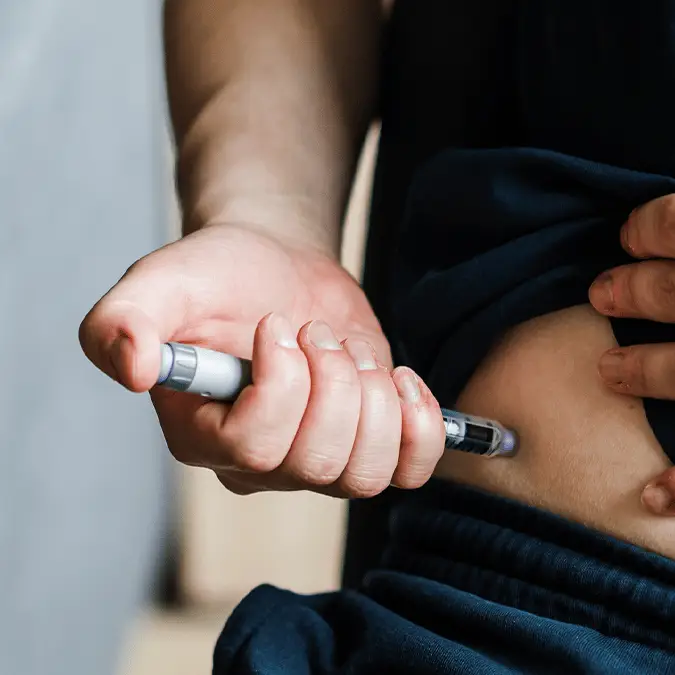
Ozempic in a completely different form could be on the way as soon as next year


Weight loss drugs have been one of the biggest trends over the past couple of years as millions have turned to them in an attempt to shed the pounds, yet there could soon be an alternative that's far more suitable for a wider audience.
Drugs like Ozempic or Mounjaro have been near enough impossible to avoid hearing about over the last few years, as while they were initially designed for people with diabetes, they have been transformed into a weight loss silver bullet of sorts.
They work by mimicking the natural GLP-1 hormones inside your body, regulating your blood sugar levels which in turn reduce your appetite and slow the speed of your digestion, with one rather gruesome simulation showing the process in great detail.
The results are hard to deny too, as while there might be some rather odd side effects including issues with your skin and even your penis, many people have managed to lose a significant amount of weight in a comparatively short amount of time.
Advert
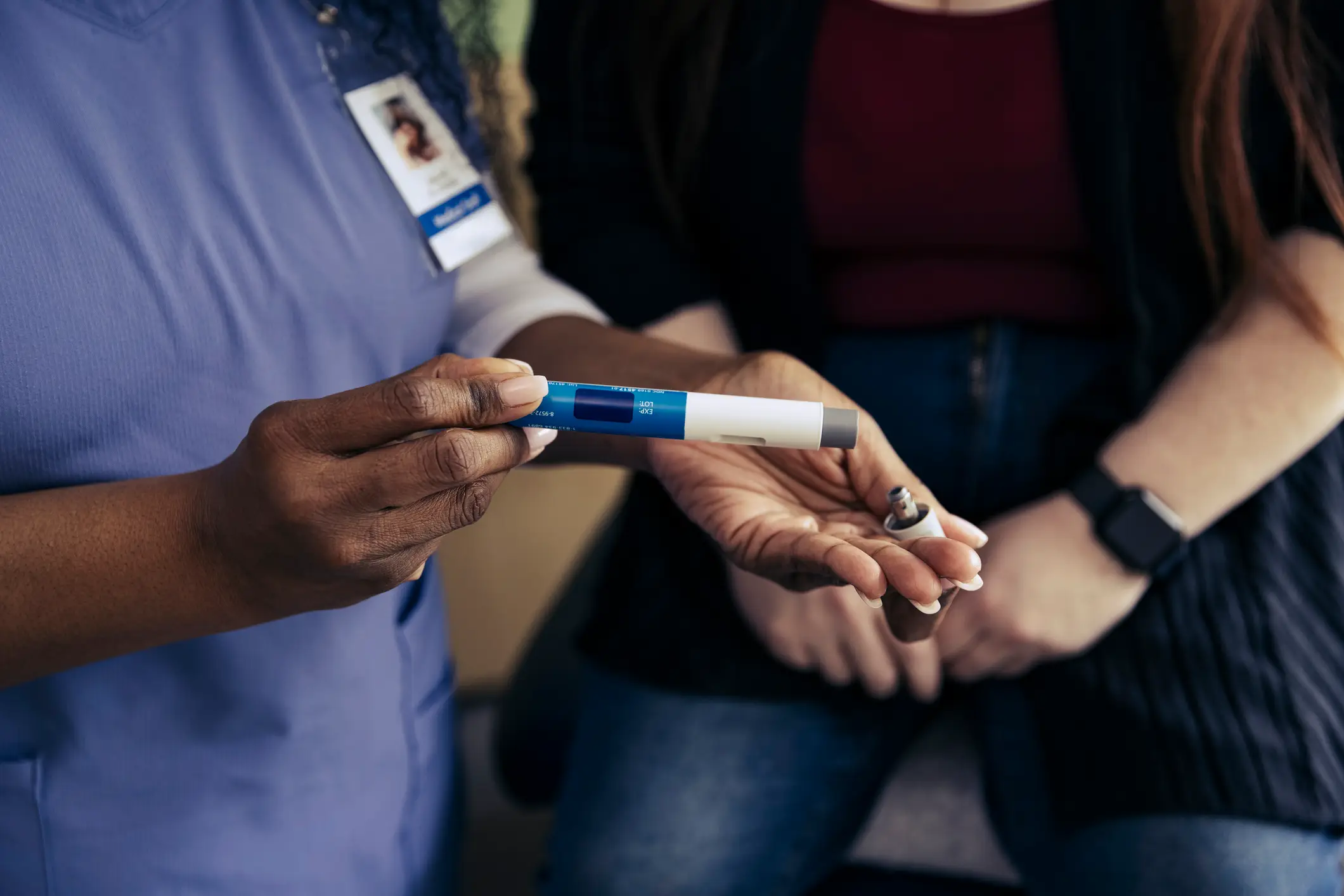
National statistics have even shown the effect as obesity rates across the United States have noticeably dropped, yet there's scope for an even greater shift as certain pharmaceutical companies have developed the drug in a completely different form.
As shared by NPR, the primary version of this is a pill-based alternative to Wegovy manufactured by Novo Nordisk, the company behind Ozempic, and it's expected to win approval from the FDA by the end of the year with plans to become available in 2026.
Injections can currently cause a lot of issues, as not only are they unpleasant on their own, but the weekly nature can often lead to insurance complications, costing people hundreds of dollars a month to keep up with the medication.
Oral alternatives, however, would hypothetically be far less and would likely be covered by insurance, making them an excellent option that could even become the primary way that people take weight loss drugs.
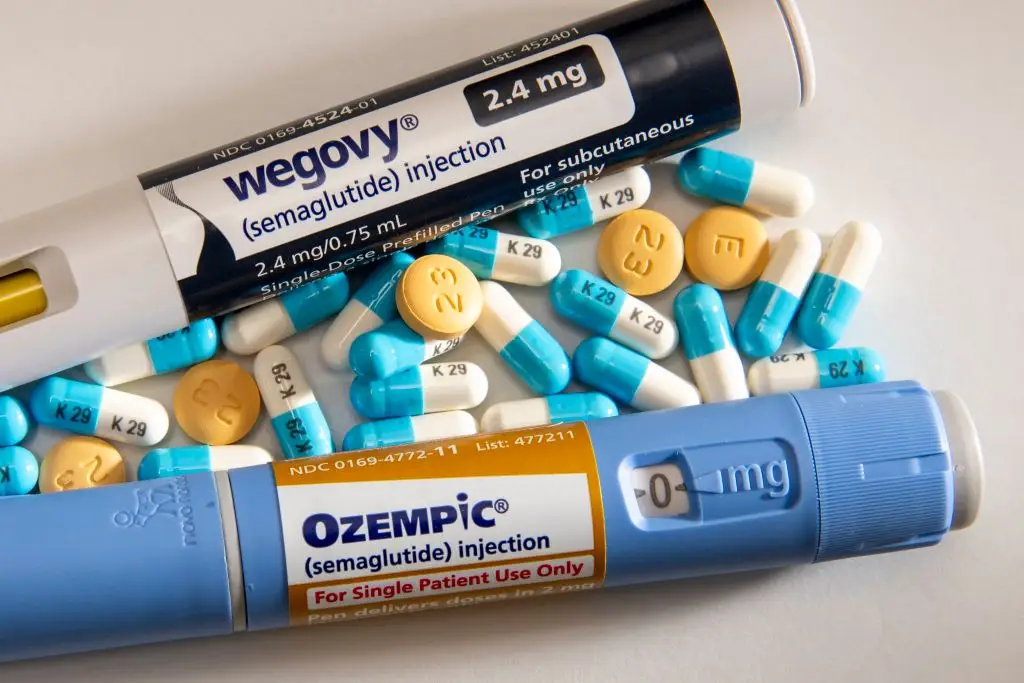
Key to this is the cost of manufacturing and storage, as pills are not only far smaller but they don't require refrigeration. Dr. Louis Aronne, the Sanford I. Weill Professor of Metabolic Research at Weill Cornell Medicine, outlines that "the injectable pens and vials need to be refrigerated at all times, so the cost to package them is very high.
"A shipping box for four injectables is large enough to fit 50 bottles of pills," he adds, so this could sort out a lot of the supply chain issues and significantly lower the price.
Information shared by Oprah Daily also points towards a new experimental GLP-1 drug, orforglipron, although a study published in the New England Journal of Medicine points out that this produces a lower weight loss percentage compared to semaglutide that's used in Ozempic and the new Wegovy pill, yet it's still impressive.
It's unclear whether these oral alternatives will have any additional or new side effects compared to the injectables, and further testing is required to compare the two forms.