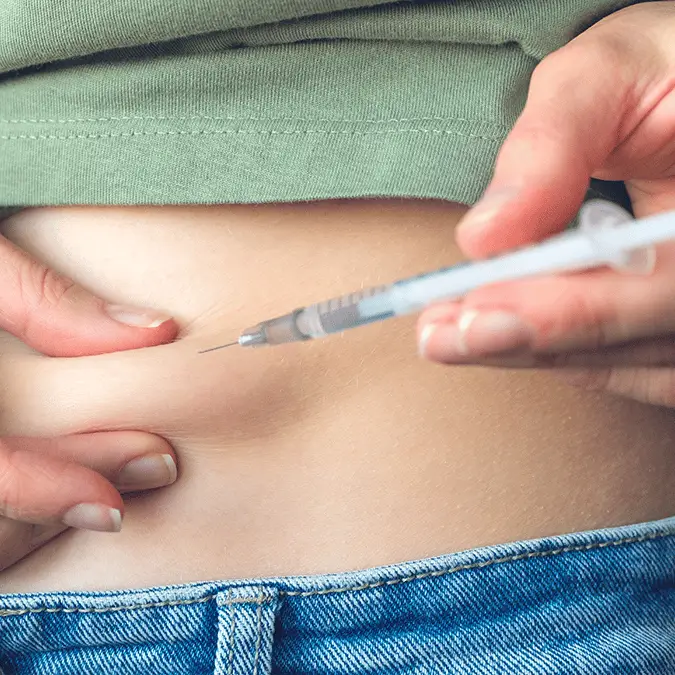
Dietitian reveals 'little-known' supplements that work like Ozempic by mimicking GLP-1s


Everyone is looking for a 'quick fix' these days, but in an era of TikTok culture and Prime next-day delivery, is it any wonder we're broken? The same can be said for fitness, and while it's true that you could likely shift a few of those extra festive pounds in the gym, the rise in so-called 'skinny jobs' is proving a popular alternative.
Even though it's important to stress that GLP-1 jabs aren't a miracle cure and should only be taken on the advice of medical professionals, the fact that even the World Health Organization made a U-turn on its thoughts shows opinions are changing.
President Donald Trump has tried to bring prices down, and with a new pill version on the way, the likes of Ozempic, Wegovy, and Mounjaro remain all the rage. However, for those who want to get the most out of their sometimes pricey subscriptions, one dietician has revealed a series of supplements that are supposed to boost the effects of GLP-1s.
What supplements can help boost GLP-1 production?

Speaking to the Daily Mail, Ashley Koff explained how it might be easier than you think to replicate the glucagon-like peptide-1 hormone that naturally occurs in our gut.
Advert
Forget the old wives' tale that chewing gum can trick your body into feeling less hungry, because according to Koff, some everyday supplements can help your body to produce more GLP-1.
Taking omega-3s and fiber helps aid digestion and also makes you feel fuller for longer, but it's apparently berberine and Amarasate that'll boost your GLP-1 levels.
Remembering that Ozempic and the likes were originally used as a treatment for type 2 diabetes, Koff reiterated that no supplements can replace them for those who've been prescribed them for health control.
She warned: "'There is a lot of misinformation about supplements. There is no 'nature's Ozempic', there's no supplement that works exactly like the medications do because [medications] stay working for 24 hours, for seven days a week.
"There are a couple [supplements] on the market that are helping our bodies have more GLP-1, but nothing that would compare to a medication."
What are berberine and Amarasate?
In terms of berberine, it's a yellow compound derived from plants and found in herbs like barberry and Oregon grape. Typically used in herbal medicine to combat infections and digestive issues, it's now sold for between $10 and $50 bottle to target blood sugar, cholesterol, and weight control.
Berberine is said to stimulate our bitter taste receptors, which then triggers cells in the gut to release more GLP-1. Koff reminds us that berberine has been shown to interact unfavourably with blood pressure and cholesterol medications, so you're told to remain cautious.
Similarly, Amarasate is another natural bitter extract – this time coming from New Zealand hops.
A 90-capsule bottle can cost between $70 and $90, with it working in the same way as berberine but quelling hunger in as little as 30 minutes. Koff said that Amarasate could be especially useful for those coming off Ozempic, Wegovy, and the others because it naturally stimulates the hormone.
Probiotics and glutamine
Finally, Koff recommends probiotics to cultivate good bacteria in the gut. As well as being found in kimchi, doenjang, and kefir, people are known to drink probiotics.
In particular, she says that Akkermansia muciniphila has been shown to strengthen the intestinal barrier while reducing inflammation. While Akkermansia muciniphila can be boosted by eating polyphenol-rich foods, including berries, green tea, and dark chocolate, it can be found in pill and gummy form at up to $80 a bottle (depending on the brand).
Finally, don't sleep on glutamine as the most abundant of the body's 20 amino acids. Glutamine goldmines include beef, chicken, fish, eggs, milk, yogurt, and cheese, while plant-based sources include legumes, spinach, and whole grains. You can also get glutamine in pill and powder form, working similarly to berberine by triggering intestinal cells, but also strengthening the intestinal lining to stop interference with GLP-1 signaling.