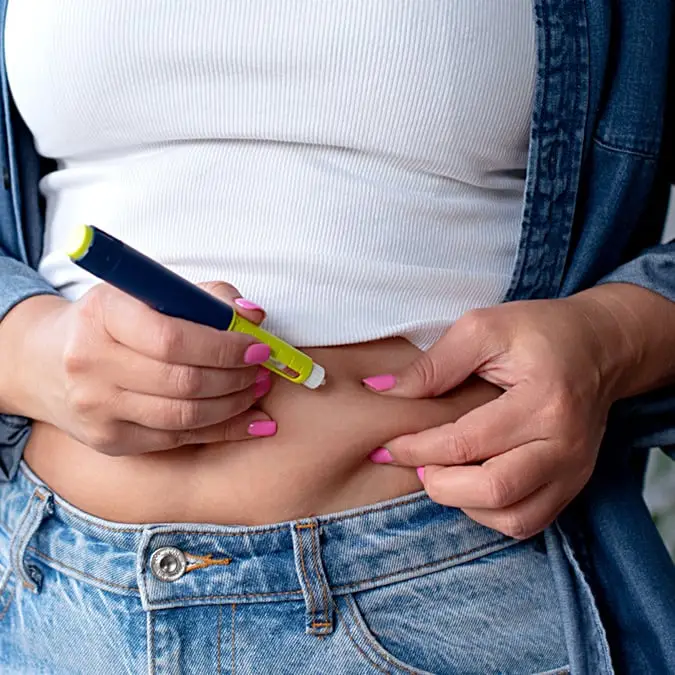
Five foods that have the same properties as Ozempic to 'mimic' the benefits


There are five foods that apparently have the same properties as Ozempic and can naturally ‘mimic’ the benefits.
GLP-1 drugs have taken the weight loss industry by storm in recent years but if you have been left unsure whether the treatment is for you, then you might be in luck.
This is because there could be a natural way to mimic the health benefits of the weight loss injections, according to a new study.
Celebrities including the likes of Kelly Clarkson and Meghan Trainor have raved about the effects of GLP-1 drugs, which includes medication such as Ozempic and Mounjaro.
Advert
GLP-1 is a hormone that is released by the intestines in response to nutrients and is responsible for controlling hunger, and according to a study, there are five foods that have the ability to ‘mimic’ the impact of the GLP-1 drug.
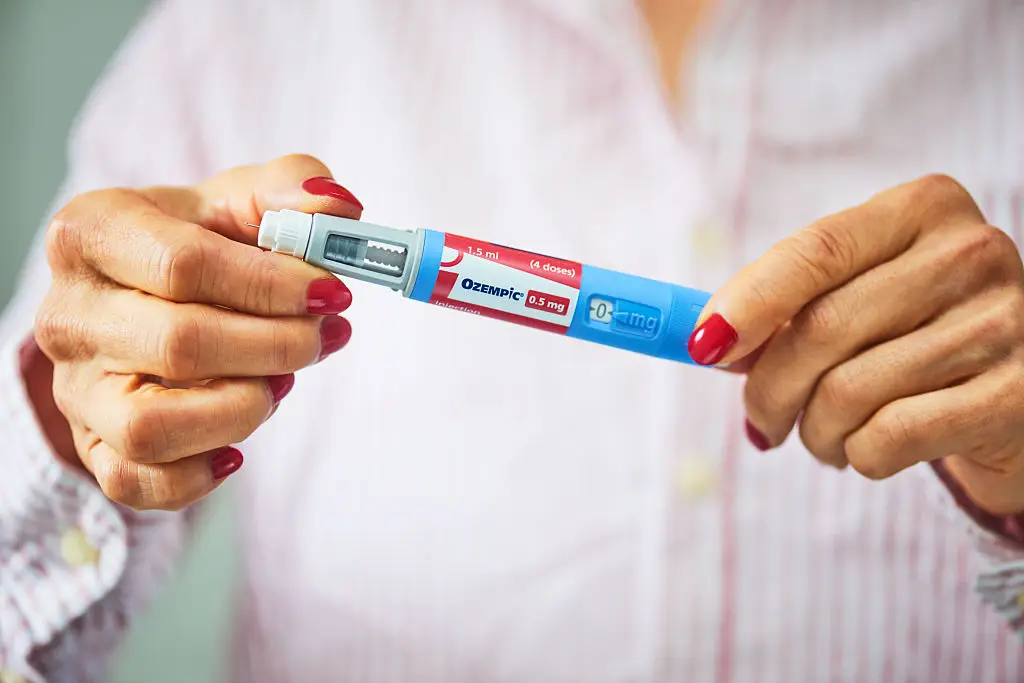
Ginger
According to researchers from Heliopolis University and Al-Azhar University in Egypt, ginger and its chemical constituent gingerol could help the production of GLP-1, meaning that it reduces hyperglycemia in the body.
This health condition is synonymous with people who have diabetes or prediabetes, and consists of increased thirst, frequent urination, fatigue, and even blurred vision.
Hyperglycemia can be caused by a lack of insulin, a high-carbohydrate diet, and/or stress.
The popular spice was found to reduce the condition in diabetic mice, as the study stated: “New research suggests that ginger and its chemical constituent gingerol may induce GLP-1 production, which in turn has a hypoglycemic impact, explaining why ginger has long been prescribed to diabetic patients.”
Cinnamon
Cinnamon is a popular spice which is known for its ability to maintain stable blood sugar levels, as researchers noted that it can 'lower blood sugar and blood pressure levels' in Toxicology reports.
It can help to increase GLP-1 sensitivity or boost its release from the intestines, as the experts explained: “Isolated cinnamon components enhance insulin-dependent glucose metabolism, according to in vitro research.”
Just three grams of cinnamon can cause GLP-1 levels to jump in healthy people, though it should be noted that taking too much of it can prove toxic.
Berberine
This is a lesser-known food ingredient which is found in a number of plants, though it has been described as the nearest thing to 'natural Ozempic'.
According to a 2022 review of 18 studies, a berberine supplement resulted in reduced body weight, BMI, fasting blood glucose and LDL cholesterol.
It works by increasing insulin production by activating bitter taste receptors in the intestines, which decreases body weight and lipids, increasing GLP-1 in turn.
Wheat
Wheat protein hydrolysate is a protein which is derived from wheat when broken down and it contains high amounts of amino acids and peptides, which can lower blood glucose.
It does this by releasing GLP-1, which can also help to reduce hyperglycemia according to past studies, say the scientists.
Fermented green tea
It's said that fermenting tea with a culture of bacteria and yeast, which can form kombucha, can make a drink which 'mimics' Ozempic. This is because of compounds that are found in green tea particularly, primarily epigallocatechin-3-gallate (EGCG), an antioxidant known for its inflammatory, antioxidant, and anti-cancer properties.
A 2018 study suggests that this can even stimulate GLP-1 release if taken with caffeine, after a study on mice.
A cup of green tea alone can enhance methods of treating diabetes, with a daily dose can help to stimulate characteristics.