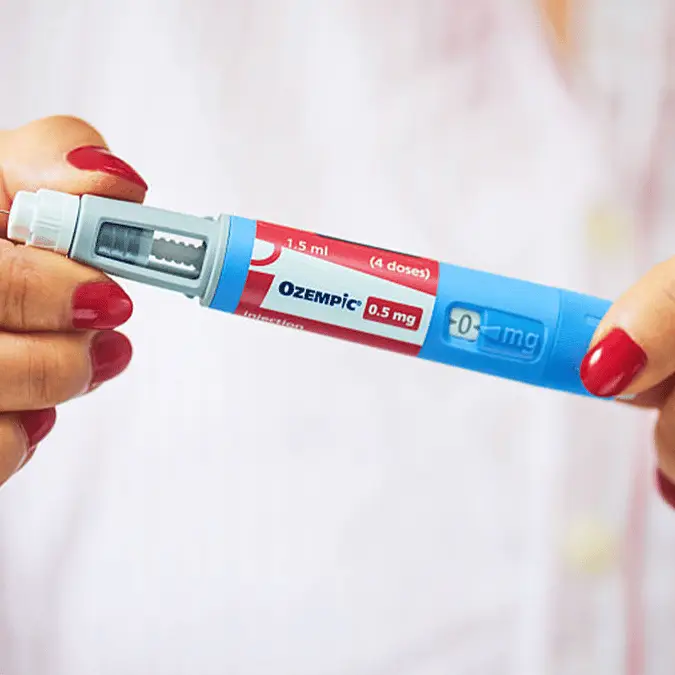
Plastic surgeons warn of 'Ozempic skin' as extreme side effect sweeps across users


Plastic surgeons believe they've discovered another unexpected side effect from popular weight loss drug Ozempic, as some speculate that patients' skin isn't behaving as it normally should.
Ozempic and other similar weight loss drugs have firmly taken over the world, as many people have now benefited from the rapid weight loss transformation you can achieve after starting the injections.
While it's a bit gruesome when you discover how these drugs actually cause you to lose weight, the results themselves are hard to deny and they have allowed many people to achieve their ideal body where they might have otherwise found it too challenging, and they've even been linked to a potential cancer cure.
Many doctors have warned that we don't yet know what the long term effects of these will be, and they also appear to come bundled with a number of nasty side effects, from the more common signs of nausea to bad breath and dental issues down the line.
Advert
Another worrying side effect appears to have been spotted by plastic surgeons now though, as these experts have discovered an unexpected change when getting up close and personal with their patients' skin.
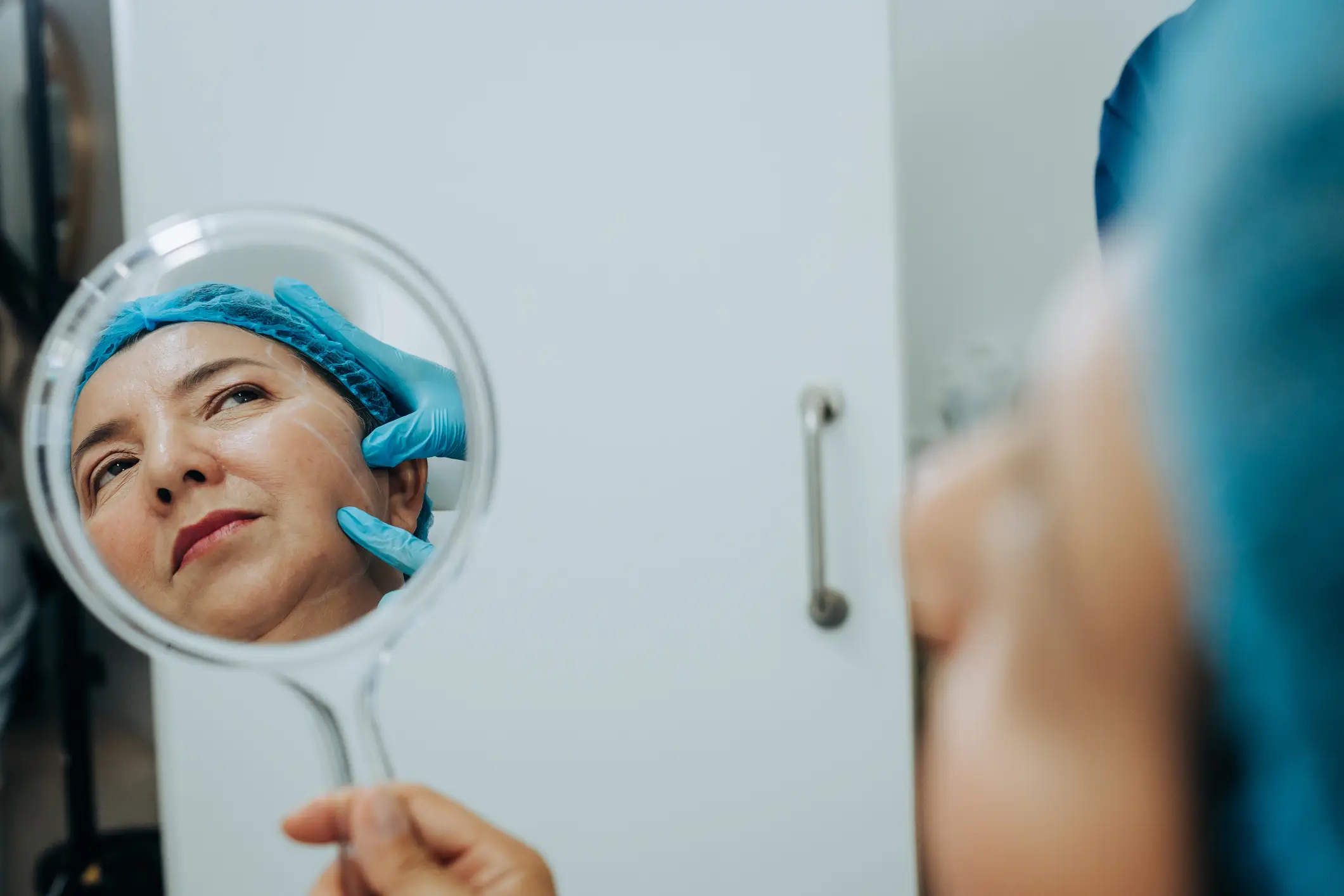
As reported by Allure, some of the top plastic surgeons in the United States have alerted that Ozempic is making the skin of those who take it behave differently than usual, noticing a marked difference in the quality.
One asserted that the skin quality of someone using GLP-1 injectors reminded him of an "old overused rubber band," even making the comparison to the elastic waistband on an old pair of underwear that has worn out over time.
Additionally, another expert illustrated that the skin of Ozempic takers is "definitely thinner and weaker," particular in the subcutaneous musculoaponeurotic system (or SMAS for short) layer, which is essential for anyone wanting to get a facelift later on in life.
"The success of the facelift is really based on the strength of the muscle layer," explained Dr Jason Diamond, a plastic surgery expert. "You're not pulling out the skin and using that to get the lift. The muscle layer being thin can definitely affect facelift results."
Dr Julius Few, another leading plastic surgeon, has found that patients taking Ozempic – which makes up around 25 to 30 percent of his clients – have skin that "doesn't hold its elastic recoil the way it did."
He even estimates that the weight loss drug "almost seems to age the quality of the skin, like the skin takes on the appearance of an older person."
Novo Nordisk, the company behind Ozempic, has rebuked these claims and insisted that they "are not aware of any studies looking at the effect of semaglutide specifically on facial fat," but these plastic surgeons continue to comment on what they're seeing on a daily basis, so it's definitely something to consider before you opt for the drugs as a weight loss solution.