Worrying new side effect of weight loss jabs dubbed 'Ozempic neck' is raising concerns


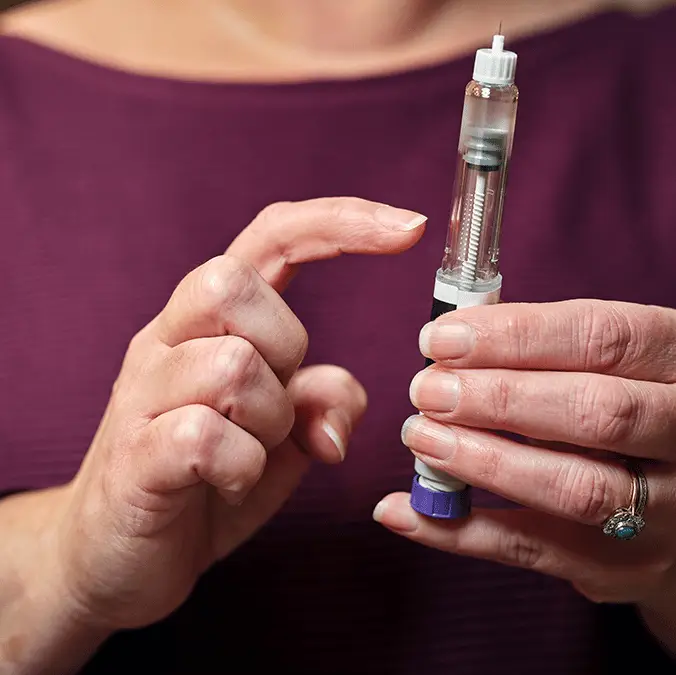
Ozempic and similar weight loss drugs have had a transformative effect for millions of people across the world as the medication has become more readily available, yet it does come with a number of alarming side effects that people have to watch out for.
GLP-1 jabs have become the go-to method for many people looking to shed the pounds, as it changes the speed of your digestion and 'tricks' your body into suppressing hunger, causing you to lose weight at a much faster rate than usual.
Survey data has shown the clear statistical impact of drugs like Ozempic, as the number of overweight and obese individuals in the United States has declined by a considerable amount since they became available, prompting new stronger and cheaper alternatives to be developed and put on trial.
However, for all the good that these weight loss jabs produce, there is still plenty to be concerned about and that's not even considering the long-term uncertainty that many doctors have highlighted.
Advert
Beyond the expected side effects such as nausea and headaches, many GLP-1 users have illustrated a growing number of concerning by-products of the drug, and they often verge into the absurd too, such as 'Ozempic vagina'.
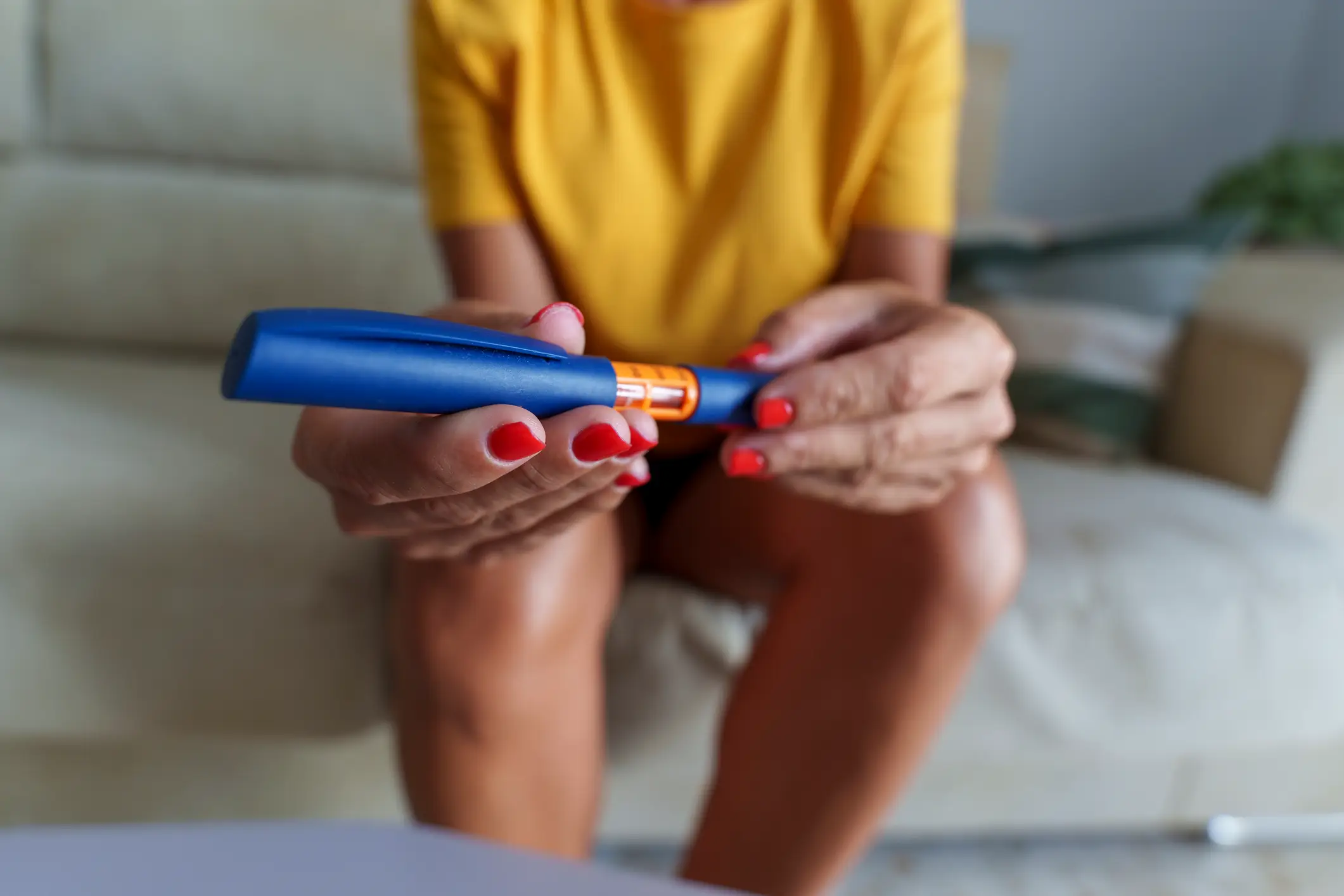
Where some have observed issues with their teeth and bad breath, others have pointed towards absurd changes with their bowel movements, and some even share a side effect known as 'Ozempic penis'.
Another one of these has emerged though, leading to concern from users and health experts, and it revolves around a change that's observed in your neck once you start taking the drug.
As shared by Tyla, the side effect known as 'Ozempic neck' refers to loose, sagging, or crepey skin that forms around the neck as a result of the speed at which you lose weight while on the drug, although it's technically not related to the drug itself.
Much like if you were to lose the same amount over a similar period of time using more 'traditional' methods, health experts have urged that it's the rate at which drugs like Ozempic cause you to drop in weight and not the medication itself that causes this issue.

Speaking to the Daily Mail, aesthetic doctor Emma Goulding has revealed the reason why this side effect occurs:
"The neck has much thinner skin, less oil production, and less underlying support than the face," Dr Goulding illustrates, "so when fat is lost quickly, especially in midlife and beyond, the skin often can't bounce back as smoothly.
"Ozempic neck is really the skin reacting to rapid weight loss combined with age, which causes reduced elasticity," she added.
It's a similar phenomenon to 'Ozempic skin' which has been observed by plastic surgeons, although to a much greater extent due to the properties of skin around the neck, as observed by Dr Golding.
There's unfortunately little you can do to avoid this issue, and it has seemingly caught a number of younger individuals off guard when they realize how the side effect makes their skin look following the weight-induced transformation.