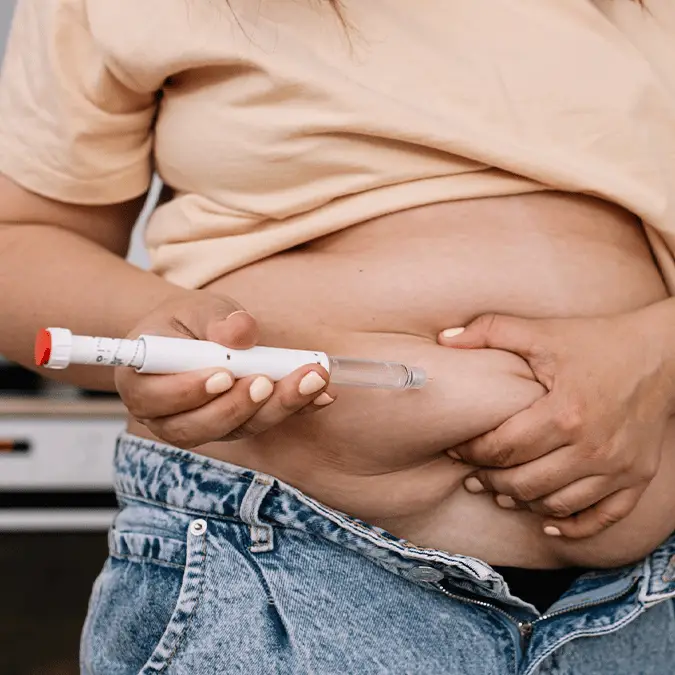
Rise of ‘Ozempic vagina’ sees women spending about $2,500 to reverse the effects


A new side effect dubbed ‘Ozempic vagina’ is seeing women spending about $2,500 to reverse the effects.
Weight-loss GLP-1 inhibitor drugs like Ozempic and Mounjaro are relatively recent additions to medicine, though they've exploded in popularity on social media.
The rapid rise has made it challenging for scientists to fully assess their long-term effects on people.
Some studies have demonstrated these drugs' effectiveness in reducing weight, with one study even linking the medication to cancer risk reduction in some instances.
Advert
But with something so new, the side effects are only gradually coming to light.
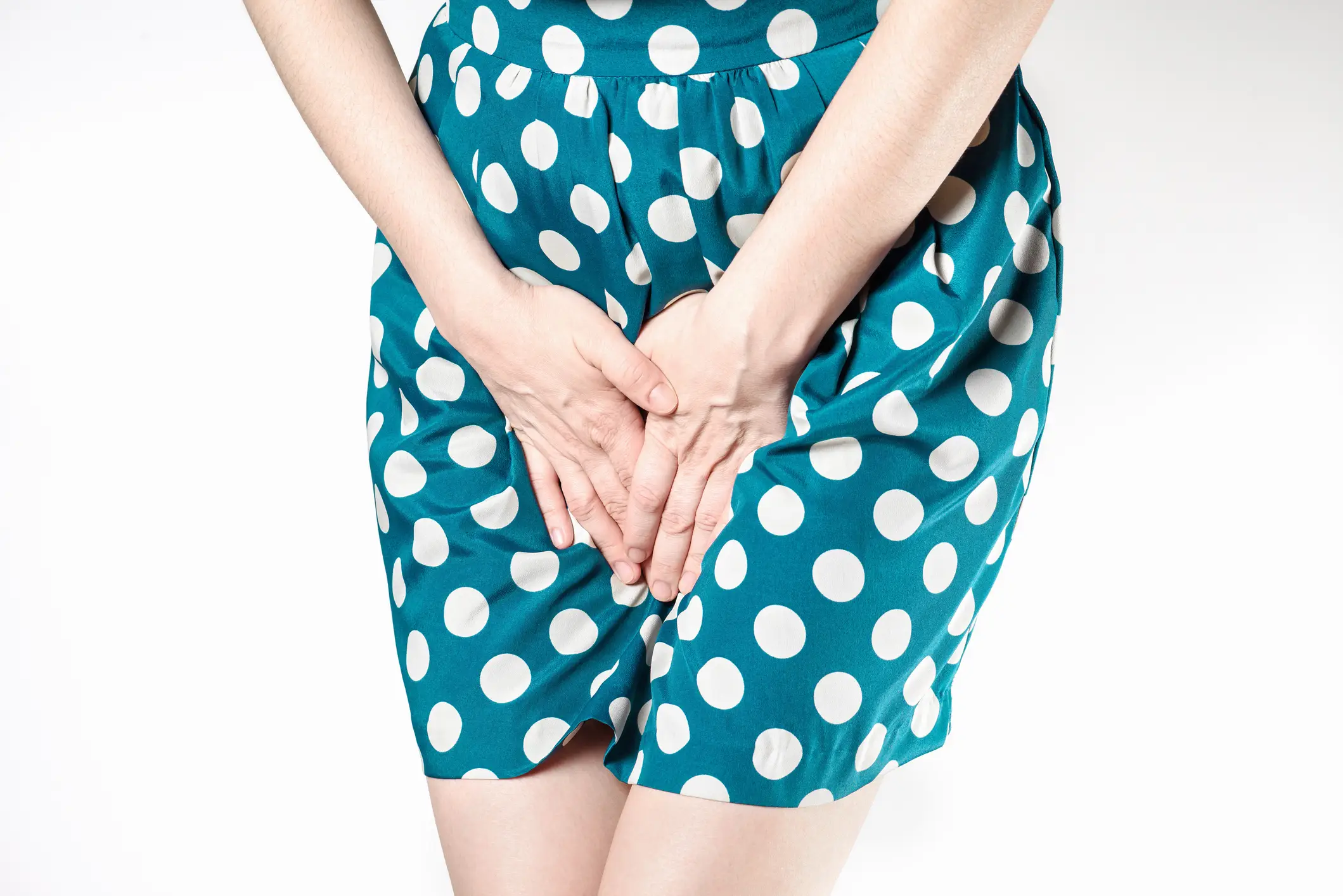
Disturbing simulations have shown the worrying effects Ozempic has on your body when you take it. Meanwhile, the seemingly long list of side effects is enough cause for concern including nausea, 'Ozempic breath,' changed teeth and skin and even issues with toilet trips.
Now, some women have reported changes in their vulvas as a result of the dramatic weight loss caused by Mounjaro and Wegovy.
"When you have a lot of fat loss, the labia becomes empty and stretched, much like when people lose weight and are left with excess skin," said plastic surgeon Dan Marsh. "It’s causing an increase in patients seeking ways to fix issues of excess skin, especially over the last 12 months."
Consequently, many affected women are seeking filler injections in their vulvas through the increasingly popular practice of labia puffing.
While the cosmetic procedure has been around since the mid-2000s, it’s more recently become a hot topic due to the rise in ‘Ozempic vagina’ or ‘Ozempic vulva’.
The process works like any other filler procedure.
"Labia puffing uses dermal fillers, like hyaluronic acid or fat, to restore volume to the labia majora (the outer lips of the vulva)," explained Dr. Shazia Malik, a consultant obstetrician and gynaecologist for The Portland Hospital. "The minimally invasive procedure is designed to enhance appearance by increasing fullness, smoothness, and symmetry."
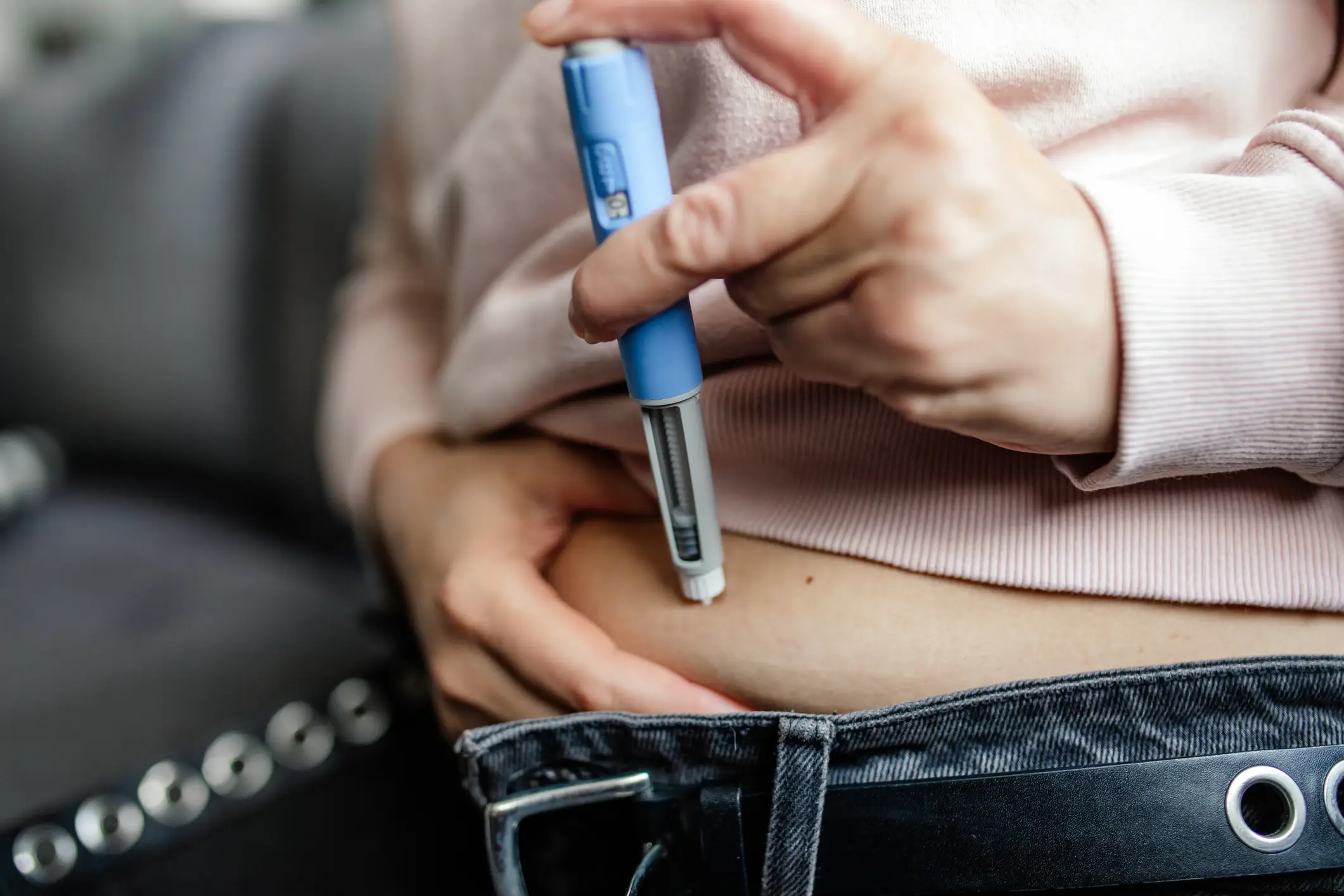
The three main reasons for wanting the procedure are 'women looking to regain a youthful, fuller appearance due to age, weight loss, or childbirth,’ according to Dr. Malik. All three factors, as well as the discomfort from chafing, can cause the labia to look more deflated or ‘saggy,’ understandably leading to insecurity for some women.
"Many women seek the procedure to address perceived imperfections or asymmetry," Dr. Malik added. "Aside from aesthetic improvement, labia puffing can also increase confidence, particularly in intimate situations."
When it comes to costs, Dr. Lambe admittedly charges up to £500 per ml of filler, so the total cost depends on the amount required.
"The first ever procedure starts with smaller amounts so that a top-up is possible," he explained. "If puffing is combined with a labiaplasty, that can cost in the region £2,000 to £4,500."
Both doctors are urging people to do their research before undergoing the treatment and choosing a practitioner.
"Labia puffing is a personal choice, and like any cosmetic procedure, it should be approached with careful consideration," Dr. Malik advised. "While it can offer aesthetic benefits and boost confidence, it’s important you seek procedures for your own reasons and not because of societal pressures or unrealistic expectations."
Women seeking the procedure 'shouldn't be tempted by low-cost offers as these may not include consultations or follow-up care,' Dr. Malik concluded.