
New study suggests true origins of Covid-19 might not be what we thought


One of the biggest points of contention following the COVID-19 pandemic centered around its origin, as some speculated that it could have originated from a lab instead of being spread from animals to humans.
Scientists widely attributed the spread of the COVID-19 virus, then referred to as coronavirus, from a wholesale seafood market in the Chinese city of Wuhan, although human-to-human transmission could have occurred at an earlier point.
Most accept that the virus was of a zoonotic origin, denoting an animal-based origin which was most likely bats or a similar mammal in this case, yet the years following the outbreak have seen various theories and conspiracies spread throughout the world.
Among the most popular of these theories is that the virus was actually created within a lab – with China again being the common location for this – and some even argue that it was spread deliberately instead of being the result of accidental contamination or exposure.
Advert
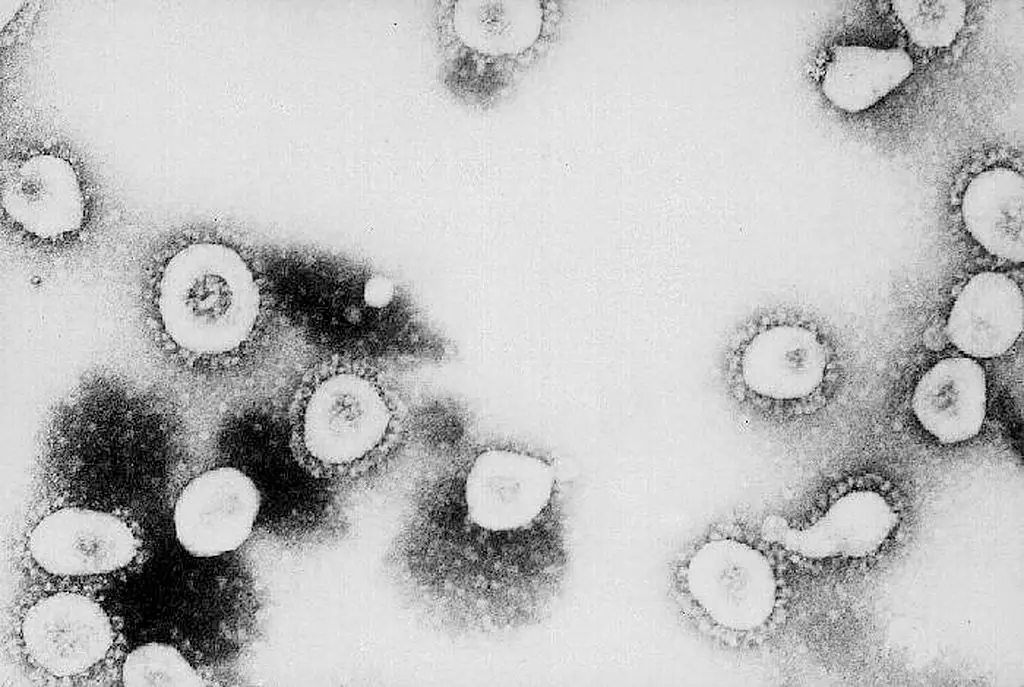
As shared by the Daily Mail, however, that theory might just have been confidently debunked by a groundbreaking new study published in Cell, as researchers analyzed seven different viral outbreaks across several decades to determine the likely origin of COVID-19.
Analyzed within the study were viruses such as Ebola, influenza, and mpox alongside COVID, and the results indicated that there were no unusual genetic changes observed before they reached outbreak status, which indicates that they were of zoonotic origin and not from a lab.
"We find no evidence of a change in selection intensity immediately prior to outbreaks in humans compared with typical selection within reservoir hosts," the study outlines, adding that "extensive pre-zoonotic adaptation is not necessary for human-to-human transmission of zoonotic viruses."

Dr Joel Wertheim, lead author of the study and a virologist at the University of California San Diego, asserted in an interview with the New York Times that it was just 'bad luck' that the SARS-CoV-2 virus at the heart of COVID-19 spread to humans.
"We see that time and time again, [SARS-CoV-2] is coincidentally good at being a human virus," the virologist explained, dispelling conspiracies that claim the virus was specifically designed within a lab.
There was only one exception observed by the study, and that was the reemergence of H1N1 influenza A in 1977, often referred to as the 'Russian flu'.
This specific variant was discovered to have evolved before its pandemic had started, and its distinct nature led the researchers to believe that this alone could have been the result of a scientific mishap or accident at its origin.