
uniladtech homepage
  • News
    • Tech News
    • AI
  • Gadgets
    • Apple
    • iPhone
  • Gaming
    • Playstation
    • Xbox
  • Science
    • News
    • Space
  • Streaming
    • Netflix
  • Vehicles
    • Car News
  • Social Media
    • WhatsApp
    • YouTube
  • Advertise
  • Terms
  • Privacy & Cookies
  • LADbible Group
  • LADbible
  • UNILAD
  • SPORTbible
  • GAMINGbible
  • Tyla
  • FOODbible
  • License Our Content
  • About Us & Contact
  • Jobs
  • Latest
  • Archive
  • Topics A-Z
  • Authors
Facebook
Instagram
X
TikTok
Snapchat
WhatsApp
Submit Your Content
1,300lb NASA satellite will crash into Earth today as space agency reveal risk it will hit humans

Home>Science>Space>Nasa
Published 14:48 10 Mar 2026 GMT

1,300lb NASA satellite will crash into Earth today as space agency reveal risk it will hit humans

Some are understandably concerned about the threat to our planet

Harry Boulton

Harry Boulton

google discoverFollow us on Google Discover
Featured Image Credit: Yuichiro Chino via Getty
Earth
Nasa
Space
Science

Advert

Advert

Advert

The frequency of satellites falling out of the sky is actually higher than most people think, yet news of a NASA satellite weighing 1,300 lbs hurtling towards Earth has understandably left many worried about the dangers it might cause for human life.

There have been an increasing number of satellites sent up into Earth's orbit, to the point where Elon Musk has had to enact a dramatic change to SpaceX's satellite constellations to avoid a chain reaction of collisions.

Satellites coming crashing down onto our planet is unfortunately an inevitability, however, either through collisions with other space objects or the failure of technology inside the advanced machines, yet most of the time they simply fall into the water or somewhere with minimal damage, and be mostly destroyed by the time they reach the ground.

What spacecraft is set to crash into Earth this week?

Worries have arisen recently, however, following the reveal that the Van Allen Probe A is set to re-enter the Earth's atmosphere within the next 24 hours, with the large NASA spacecraft weighing a considerable amount.

As reported by Space, the US Space Force has predicted that it will re-enter our airspace at around 7:45 p.m. EDT (23:45 GMT) on Tuesday, March 10.

Advert
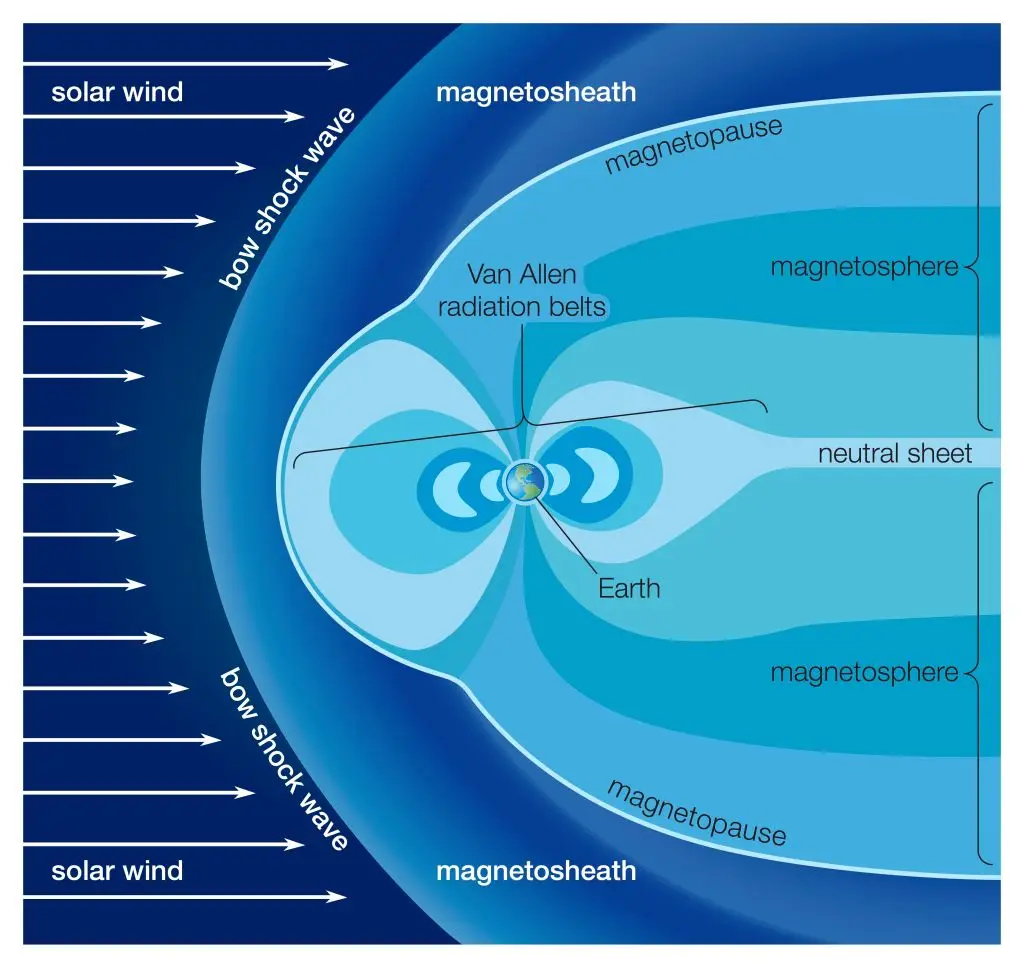
The probe was designed and launched to analyze the Van Allen belts surrounding our planet (Encyclopaedia Britannica/UIG Via Getty Images)

It's purpose following its launch in 2012 was to analyze the Van Allen belts, which are rings of charged particles within Earth's magnetic fields that shield our planet from cosmic radiation, solar storms, and potentially catastrophic solar wind.

Is there a risk the satellite will hit humans?

The approximately 1,323 lb (600 kg) object thankfully has an incredibly low risk of damaging or harming human life when it makes contact with the ground, both due to the sheer size of our planet and the impact that re-entering our atmosphere will have on its structure.

According to a statement from NASA, the space agency "expects most of the spacecraft to burn up as it travels through the atmosphere, but some of the components are expected to survive re-entry."
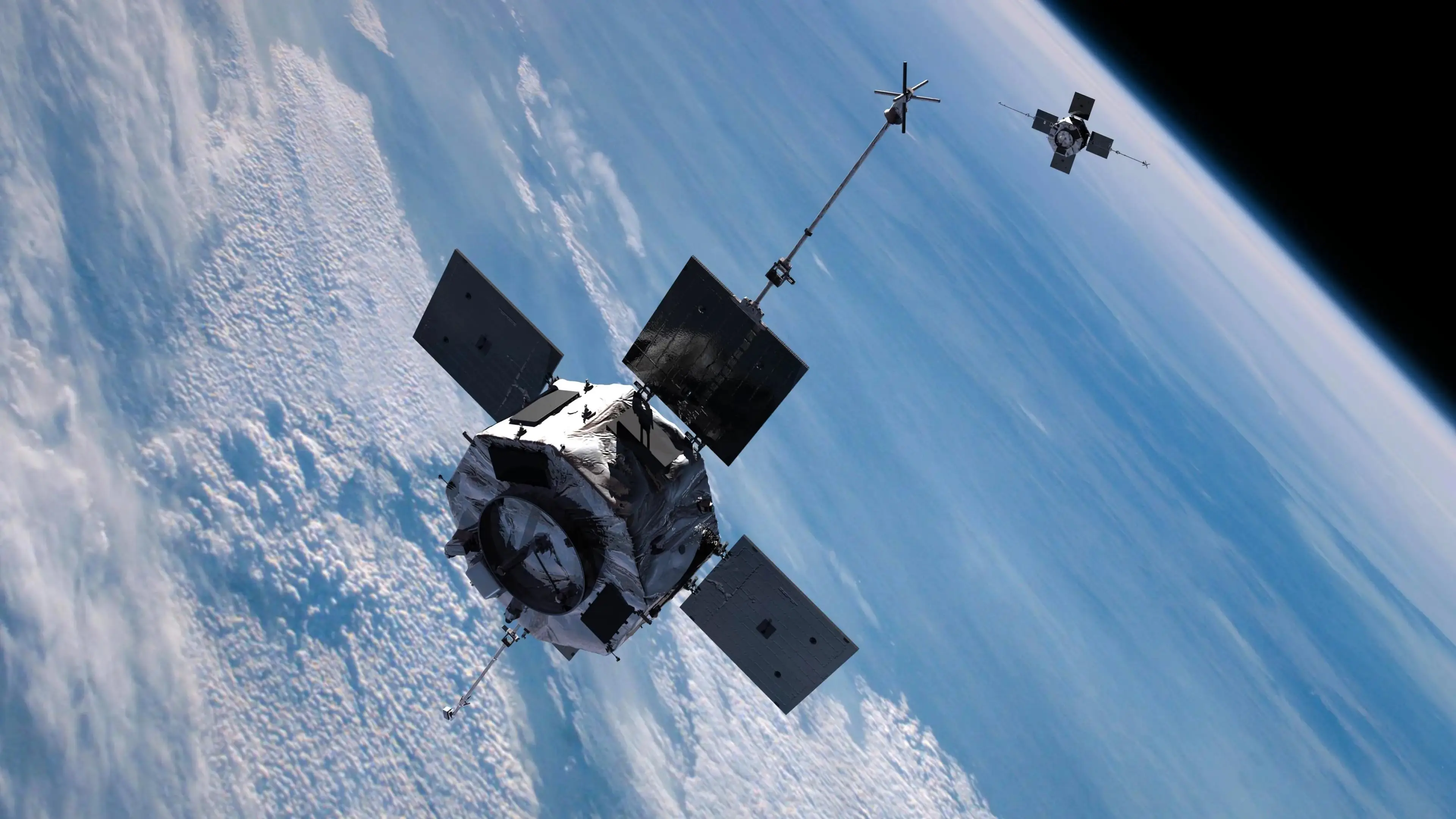
The chances of the spacecraft damaging human life are roughly 1 in 4,200 upon re-entry (NASA)

Additionally, experts have outlined that "the risk of harm coming to anyone on Earth is low — approximately 1 in 4,200," which equates to around 0.0238 percent, so the likelihood of it happening is incredibly slim.

Scientists at NASA and the US Space Force are continuing to monitor the spacecraft as it continues on its journey into our atmosphere, but there is largely little to worry about — especially relative to the threat that asteroids have posed in the past few years when analysis tracked their path towards our planet.

Choose your content:

16 hours ago
18 hours ago
20 hours ago
  • Grace Cary via Getty
    16 hours ago

    Doctor warns air conditioning unit could accidentally trigger nasty lung condition

    Keeping cool could have its downsides

    Science
  • Heritage Images / Contributor / Getty
    18 hours ago

    NASA whistleblower claims 'alien presence' that followed Buzz Aldrin was edited out of Moon photos

    Is there a more suspicious reason why the Apollo program ended in 1972?

    Science
  • Bloomberg / Contributor via Getty
    18 hours ago

    Dr. Phil says he's seen White House UFO files, and has proof of a government 'cover up'

    Some believe the government is keeping the best cards close to its chest

    Science
  • Halfpoint Images via Getty
    20 hours ago

    Weight loss drugs linked to unpleasant new side effect in major study of 50,000 people

    This might make you reconsider taking the treatment

    Science
  • NASA satellite asleep for nearly a year just woke up to reveal secrets from deep space
  • China plans to crash a spacecraft into an asteroid to protect Earth from cataclysmic event
  • NASA safety department says next Moon mission is 'high risk' as it urges space agency to reconsider
  • NASA scramble to stop 3,500lb telescope from crashing into Earth