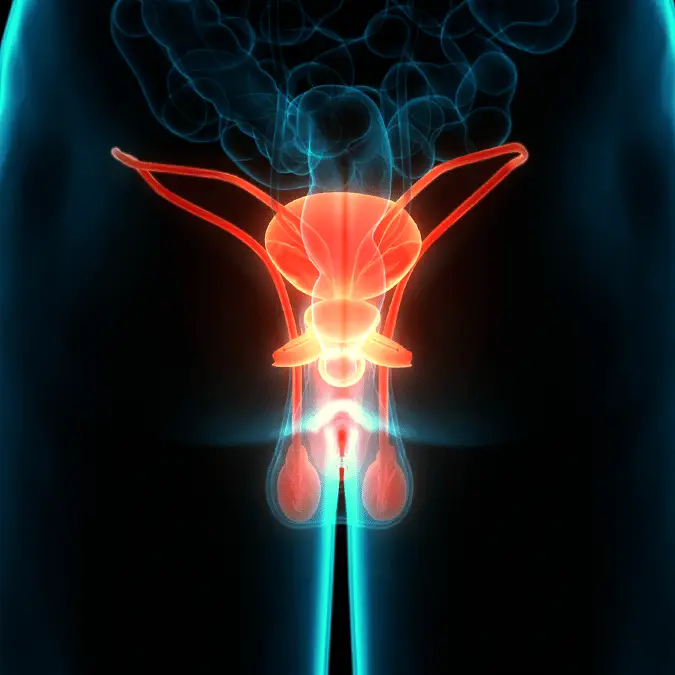
Mind-blowing simulation reveals what actually happens to sperm if not ejaculated


It's a miracle that the human body operates as it does, as every function is taken care of and often is able to produce benefits from things that should otherwise be detrimental, and that's seemingly the case when it comes to sperm that ends up dying before it can be used.
You might have never thought about it really, but sperm – like many things inside of your body – is a living cell that has a finite lifespan before it becomes effectively useless.
For reproduction to be effective the body always needs to have a consistent stream of active and alive sperm that's ready to go once you start producing it, which typically occurs between the ages of 10 and 12, but sperm that's no longer useful has to go somewhere if it doesn't exit the body through ejaculation.
Like many things these days, there's thankfully a simulation that shows the process behind this exact procedure, and it's fascinating to see how your body is able to benefit from the now-useless sperm after it dies.
The process is shown in a video by Dr. Smurf on YouTube, and it all begins in a body part known as the epididymis.
Advert
While sperm initially begins its life within the testicles, it eventually moves to the epididymis – a tightly coiled tube stretching around 6 to 7 centimeters that sits behind the testes – where they then stored while they mature before eventually being transported upon ejaculation.
Sperm typically stays alive for a few months, with estimates indicating this to be around 74 to 76 days in total, but if they're not ejaculated before this point is reached they undergo a process of recycling within the very place that they're stored.
A process known as 'degeneration' sees the sperm break down within the tube, after which they are absorbed into the epididymis' lining and recycled into the body.
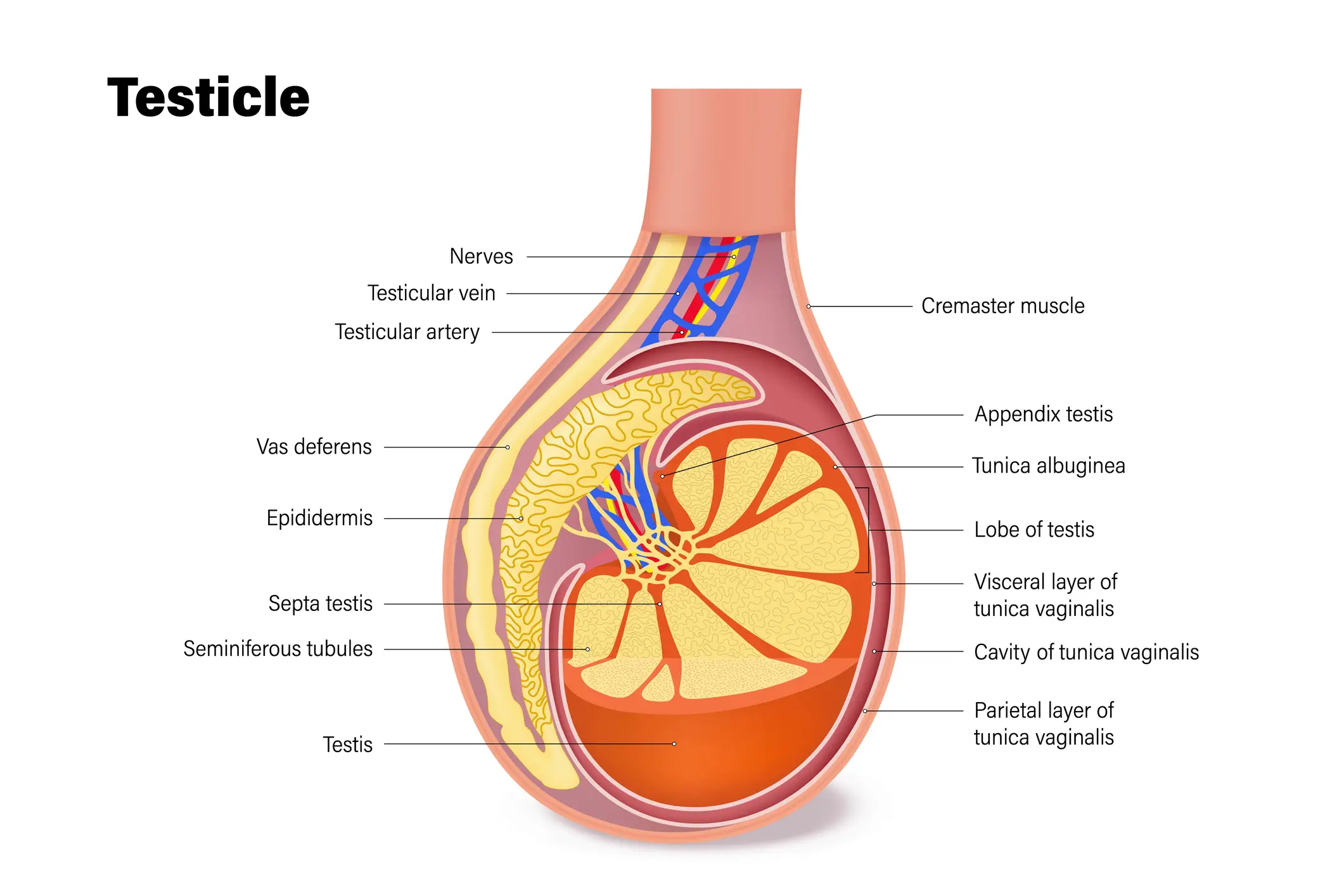
Not only does this get rid of the dead and now-useless sperm cells, but it also spreads helpful proteins and nutrients throughout the rest of your body, typically aiding in cell regeneration.
Who would have known that dead sperm could have such a beneficial effect, so perhaps those who partake in 'No Nut November' might be onto something after all.
Some have suggested that there's a link between prostate cancer and ejaculation frequency, with higher rates providing a higher risk of developing the dangerous disease, but scientists have repeatedly asserted that there's no evidence of this following conclusive research.
Studies have observed a slight decrease in cancer risk for those who ejaculate more frequently, but that's likely got little to do with the amount of sperm recycled by your body, as you have more than you'd ever be able to expunge so there's bound to be some left to expire no matter what you do.