Health officials issue warning over illegal 'Mounjaro' pens being sold online as thousands are seized

Mounjaro users are urged to check their pens, as a spate of forgeries has led to authorities seizing thousands of fake jabs and the UK government being forced to issue an urgent health warning.
While the price of so-called 'skinny jabs' has come down, and President Donald Trump has vowed to make them more readily available, many are still looking for cheaper alternatives. In a case of buyer beware, potential GLP-1 users are being warned to check where their weight loss medication comes from and to stick to official prescribers.
As part of an ongoing crackdown on illegal manufacturers, the Medicines and Healthcare products Regulatory Agency (MHRA)'s Criminal Enforcement Unit (CEU) officers raided separate premises in Lincolnshire and Nottingham.
A press release from the UK government explains how the CEU, Lincolnshire Police, Immigration Enforcement, and Lincolnshire Trading Standards launched a coordinated attack to seize nearly 2,000 doses of unauthorized weight loss medication, as well as manufacturing equipment, suspected pharmaceutical ingredients, packaging, and commercial vehicles. These jabs were ready to be dispatched to customers, making this a big win after CEU officers previously took down the country's first illicit manufacturing facility in Northampton.
Advert
At the time, it was said to be the biggest single seizure of trafficked weight loss medicines recorded anywhere in the world.
Responding to the raids, Dr Zubir Ahmed, Health Innovation and Patient Safety Minister, reiterated: "This week’s raids have taken dangerous, unregulated products off our streets. These medicines are made with no regard for safety and pose serious risks. We will not allow criminals to profit by exploiting people looking for help with their weight.”
Ahmed reminded potential users to only buy from regulated sources, adding: "Safe, effective, licensed treatments can make a real difference for those who need them - but they must come from a registered pharmacy, with a valid prescription."
He said the government is also investing £25 million ($34 million) in improving weight loss support programmes and to help referrals to weight loss jabs from GPs.
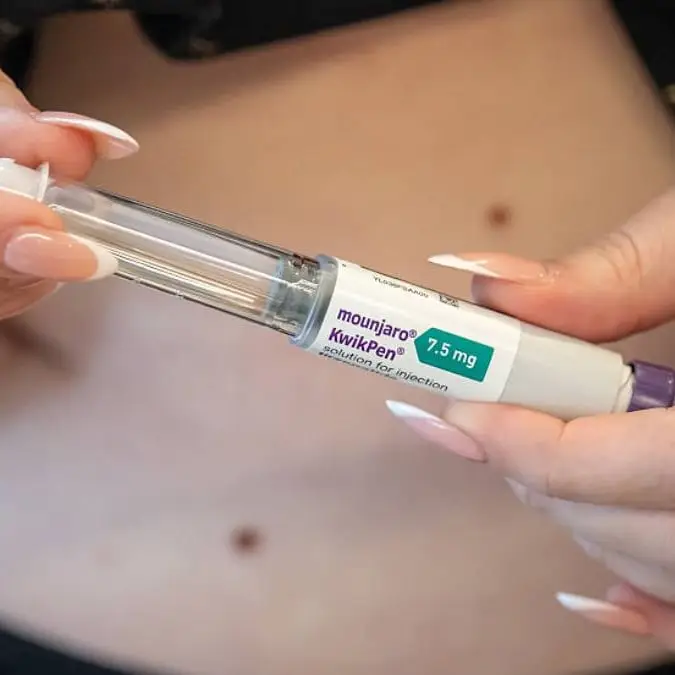
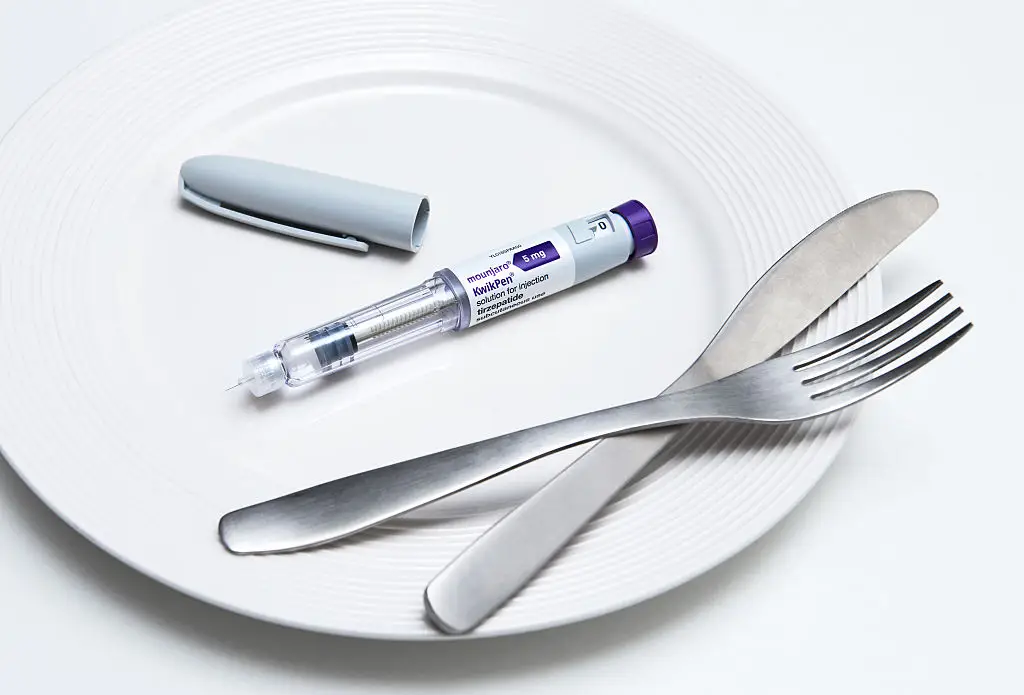
This follows a separate February 24 warning from the UK government, revealing how the MHRA has been contacting 'certain individual patients' over a fake Mounjaro KwikPen. The 15mg solution for injection was apparently dispatched from The Private Pharmacy Clinic in Birmingham.
The affected pens were under the batch number D873576, although users are reminded that it only appears to be the 15mg pens that are affected because this is a genuine batch number for 7.5mg Mounjaro KwikPens.
Anyone with an affected pen is told to immediately stop using it and report to the MHRA by emailing [email protected] with "Mounjaro Pens" in the subject line. Dr Alison Cave, Chief Safety Officer at the MHRA, said that pens should be kept in a safe place, concluding: "If you have administered injections using the pen already, please be reassured that, based on the cases reviewed to date, the risk to you is low.
"Testing has confirmed that the identified fake pens do contain tirzepatide, the active substance in Mounjaro, but because the manufacturing conditions are unknown, we cannot confirm that the contents are sterile."
We're told that the MHRA hasn't received any reports of patients needing treatment after injecting these phony medicines, with the issue being identified by the dose knob falling off faulty pens.
For those who are unsure, the MHRA's #FakeMeds website offers guidance for anyone thinking of buying medicines online.
A statement from Eli Lilly, the manufacturer of Mounjaro, said: "Lilly welcomes the MHRA’s recent action against illicit medicines and is committed to continue working with regulators, law enforcement and social media platforms to remove illegal products and content. Stronger, coordinated enforcement must be sustained if we are to protect UK patients from unsafe fake medicines."