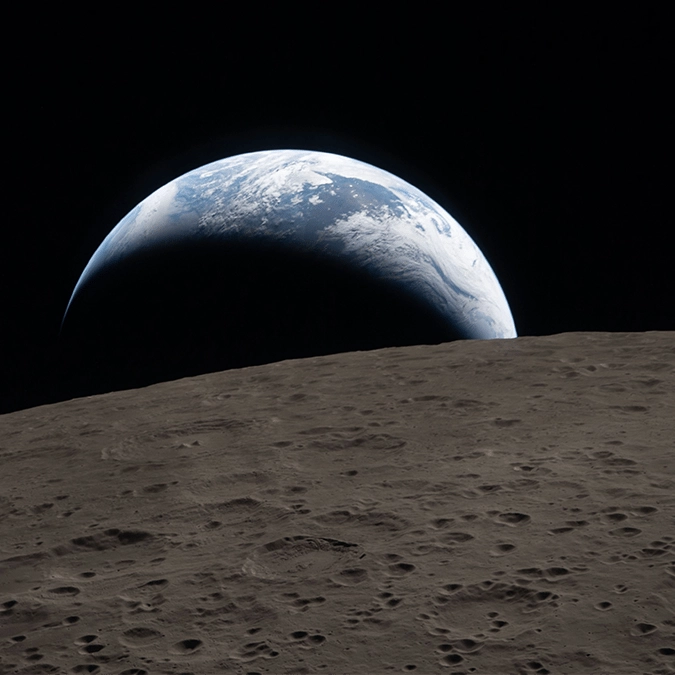
Why NASA’s Artemis 3 mission will no longer land on the Moon


Plans have changed massively for NASA when it comes to its upcoming missions, as while Artemis 3 was once set to mark the return of astronauts to the Moon's surface, that has been pushed back with a new goal in place for the upcoming launch.
It's not out of the ordinary for things to get delayed in the space world, as the risks associated with these historic missions mean that the teams at NASA need to ensure everything is working perfectly before going ahead.
That has resulted in a scheduling adjustment for Artemis, pushing back the goal of the first Moon landing in over half a century to make way for a new test that sees the Orion spacecraft complete an Earth-orbit rendezvous with at least one of the landers that will be used when astronauts actually step foot on the surface in the coming years.
Why was Artemis 3 changed?
As reported by Space, the decision was revealed by NASA administrator Jared Isaacman on February 27, just over a month before the now-iconic Artemis 2 mission saw a group of four astronauts complete an orbit of the Moon, breaking several records in the process.

Advert
The decision to push back plans for a Moon landing appear to revolve around the readiness of all the tech that will debut with that achievement, as NASA understandably wants to make sure that there's nothing that can go wrong.
"This is just not the right pathway forward," Isaacman proclaimed when illustrating the decision making process behind the change in schedule. "Going right to the moon [...] is not a pathway to success."
Much of it hinges on the current state of the Human Landing System (HLS) vehicles that will be integral to the safety of the astronauts' arrival on the Moon's surface.
The construction of these has been contracted out to private companies, with Jeff Bezos' Blue Origin only recently securing a major win in that department, although NASA's Aerospace Safety Advisory Panel (ASAP) outlined that, at the time of the decision to push back the landing, HLS posed "significant risks at the mission level."
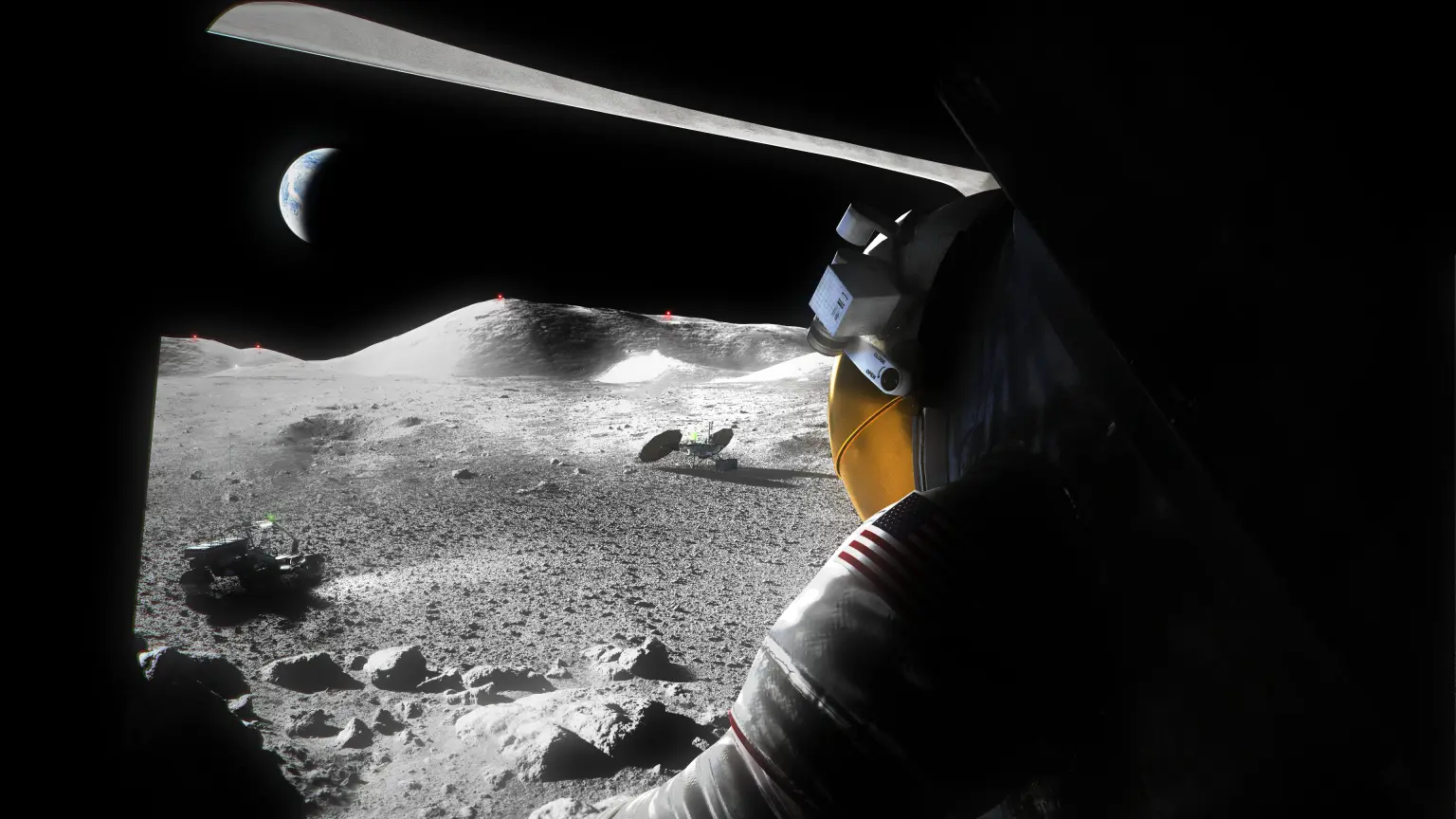
Instead, that will be tested during what is now the Artemis 3 mission – currently set to launch in late 2027 – with the rendezvous and docking procedure evaluated without the pressures of landing in the same sequence.
When will the Moon landing take place?
It is expected that NASA will finally carry out a return to the Moon's surface with the Artemis 4 mission, which is on target to be completed in 2028 if everything goes to plan.
Of course, plans could very well change – especially as the Artemis 2 mission had to be delayed at the last minute and you never know if issues will arise with the upcoming test – but this means that we're only a few more years away from the moment that could change the trajectory of space exploration forever.
On top of this, NASA's current plans indicate that an additional landing will take place within the same year if Artemis 4 is successful, and this will likely play a significant role in the creation of a $20 billion base on the Moon's surface, forging a pathway towards Mars at the same time.