Scientist reveals harrowing reason these three countries have the lowest rates of cancer


An expert has revealed a harrowing reason why some countries have the lowest rates of cancer.
Despite huge advances in medicine, with AI now spotting tumours earlier than any human doctor could, cancer diagnoses continue to climb and the question of how lifestyle feeds the disease is still being unpicked.
Much of the focus falls on the modern Western diet, from the microplastics and pollutants we absorb to the ultra-processed foods one doctor recently branded 'worse than smoking'. Set against that, research into the world's blue zones, where Mediterranean diets and simpler living line up with long, healthy lives, keeps pointing to the same answer. Now one scientist has laid out why a handful of countries see much lower cancer rates than the rest of the world.

Advert
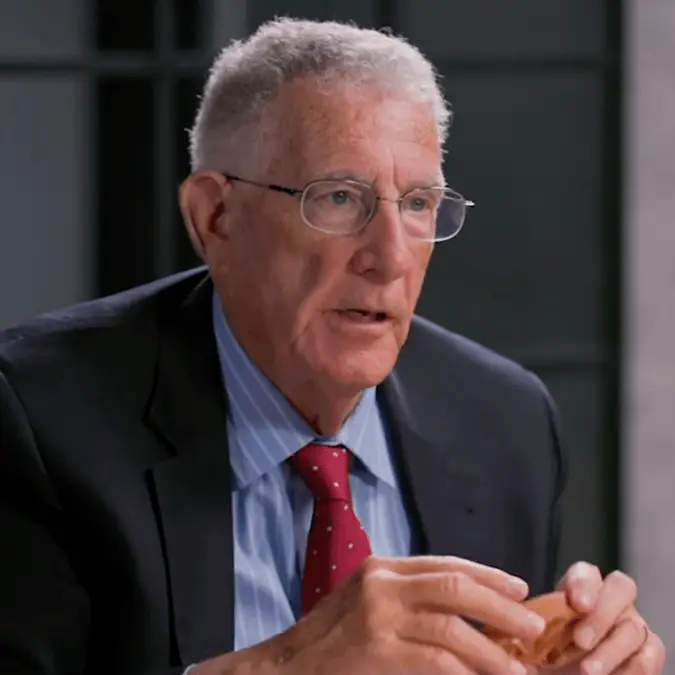
The claim came on The Diary of a CEO podcast, where host Steven Bartlett sat down with cancer scientist Dr Thomas Seyfried to trace how far humans have moved from the conditions we evolved in, through chronic stress, poor sleep and cell damage.
High-income countries such as New Zealand, Australia and the United States record the highest cancer rates in the world, Bartlett noted. Meanwhile, countries like Nigeria, Gambia and Nepal 'consistently rank at the very bottom,' Bartlett said, before asking Dr Seyfried to explain the gap.
"It's because of our technology. We are still Palaeolithic man and our biology has allowed us to store energy efficiently because of times of famine," the scientist explained. "But in diets and lifestyles and [the] way we are today, exposure to carcinogens and whatever, we chronically damage this organelle."
The organelle he was pointing to is the mitochondria. Over time, he claimed, damaged mitochondria can contribute to 'dysregulated cell growth' which is one of the key processes involved in cancer, the health expert claimed.
He pointed to work by the famous scientist Albert Schweitzer, who studied both our ancestors from 500,000 years ago and people still living in low-income countries with 'minimal interference from [the] modern diet' to understand why cancer was so rare among them.
According to Seyfried, the difference came down to how those populations live.
"They're exercising, they're eating all organic foods, they're not under the same kind of stress or exposure to chemicals that modern societies have," he added.
Dr Seyfried concluded in the clip that keeping the mitochondria healthy could improve people’s chances of preventing cancer and that the way people live every day may matter far more than many realise.