Scientist might have just found the cure to pancreatic cancer in major breakthrough


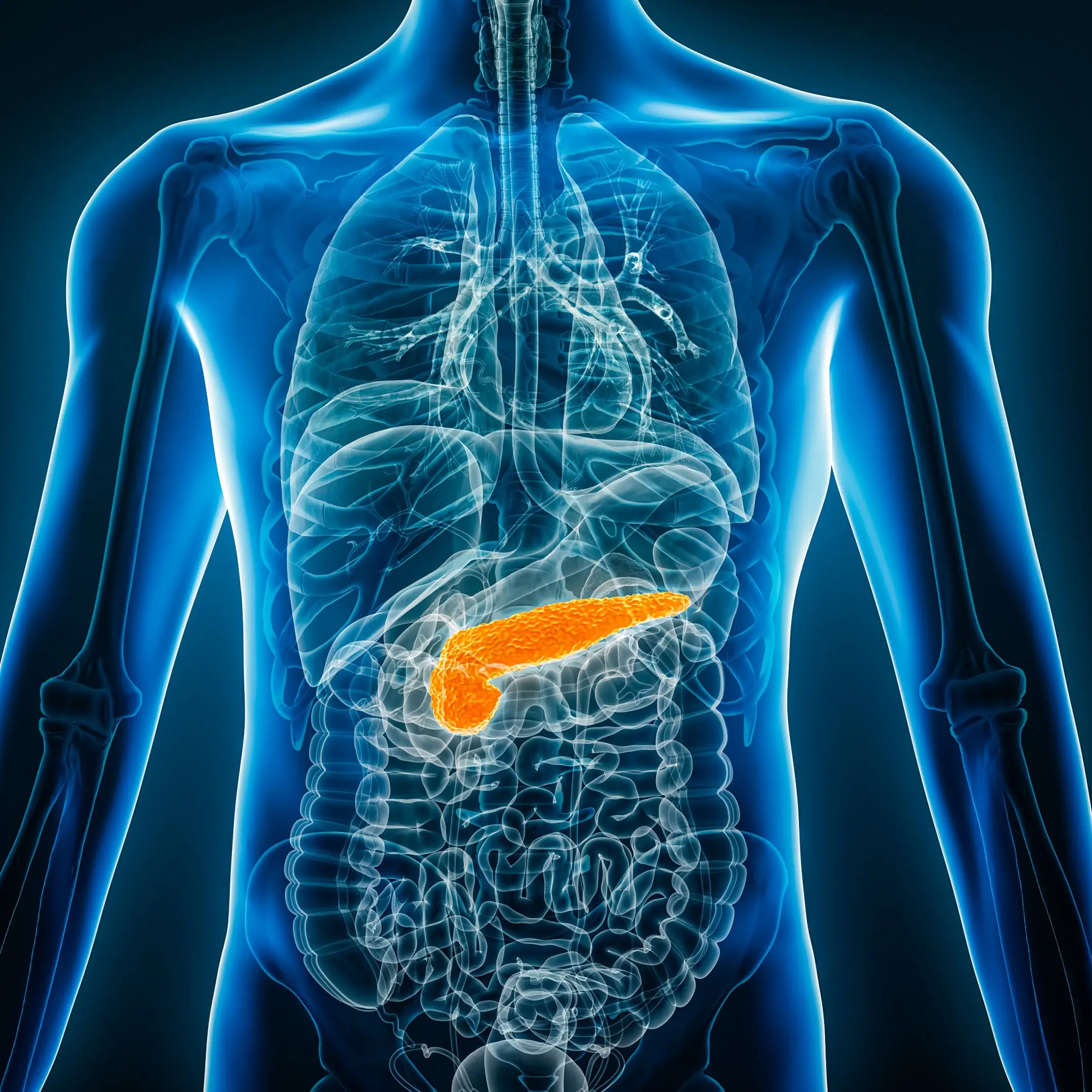
One Spanish scientist believes that he's made a major breakthrough in 'curing' pancreatic cancer, as tests on one of the worst forms of the disease are proving promising in its most aggressive form.
Doctors and medical experts are always fighting an uphill battle against cancer, as not only does the disease take many different forms that each have their own unique elements, but it's also constantly evolving, making 'curing' some of the more dangerous forms a challenge.
Recent years have seen certain potential breakthroughs be made, including one that is linked to the rise in weight loss drugs, yet research still continues into a means to beat the often fatal disease.
However, as shared by the Times of India, research conducted by scientists at the Spanish National Cancer Research Centre claims to have made progress towards a cure for pancreatic cancer, which accounts for hundreds of thousands of deaths worldwide each year.
Advert

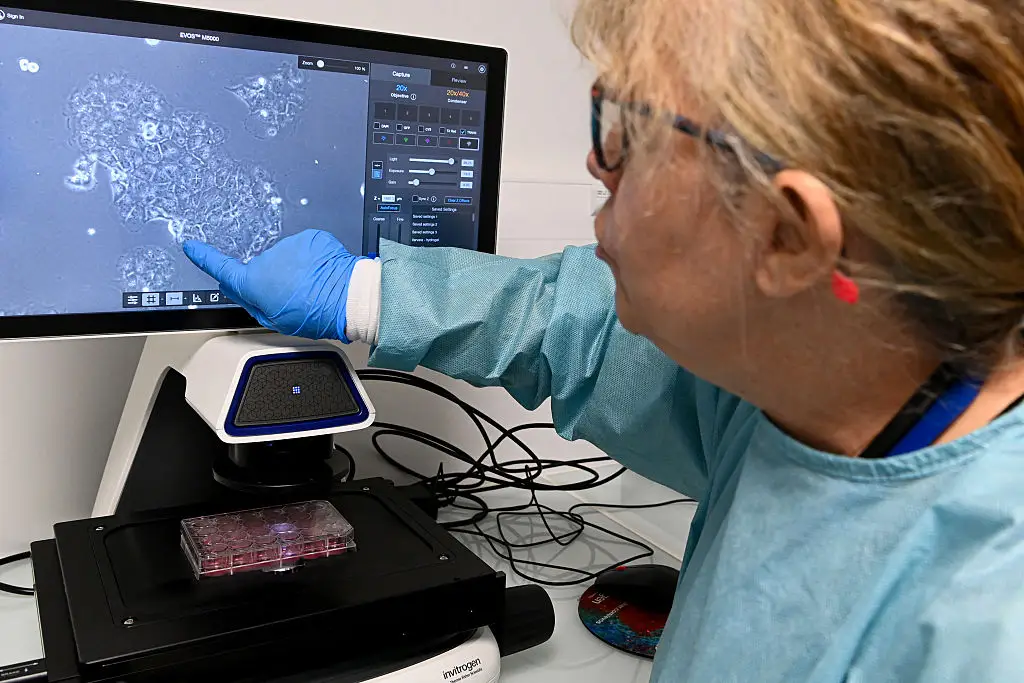
The research was led by Mariano Barbacid, and centers on a new triple-drug therapy that has had promising results so far after tests conducted on mice.
Not only was this new potential 'cure' able to completely wipe out existing pancreatic tumors, but it also showed no signs of relapse in the existing tests after treatment was conducted, proving it to be a potentially revolutionary treatment if the same results were seen in humans.
Pancreatic cancer is known for its resistance to treatment, making it incredibly challenging for doctors to deal with, yet this potential cure uses the triple-drug approach to fight three tumor survival mechanisms at the one time, effectively reducing what the cancer can do to 'rewire' itself as a defense tactic.
The study, published in the Proceedings of the National Academy of Sciences (PNAS) journal, indicates that the three drugs used in the potential cure are daraxonrasib, afatinib, and SD36 — with the latter being vital to the avoidance of tumor resistance.
"The triple combination is well tolerated in mice," the study explains, adding that "taken together, these studies open the road to design novel combination therapies that may improve the survival of PDAC patients."
It could provide the possibility of testing other triple-drug medications to fight different forms of cancer outside of the pancreatic disease, which might lead to further progress towards an overall cancer 'cure' if successful.
This still needs to pass through further testing and clinical trials, including those on humans as you never know quite how drugs like this will react in 'real life' scenarios, but if it does prove to be successful it would be a major turning point for the fight against cancer.