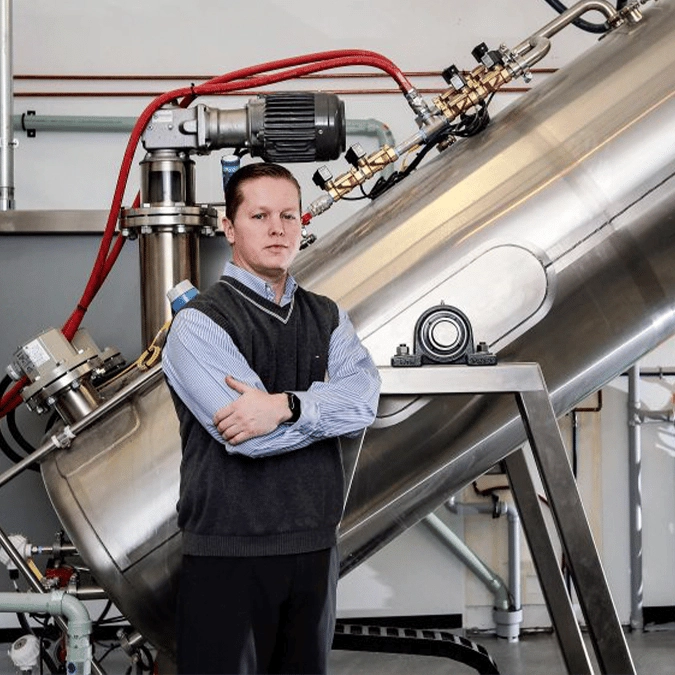
'Boil in the bag' funerals where liquified bodies are flushed down a drain come to major western country


Burial rules have just received a major shake up in one major western country, as a new form of funeral has been introduced where bodies are 'boiled in a bag' and then flushed away down a drain.
How your body is dealt with after you die very much depends on where you're from, as different parts of the world and periods of history have had their own ways to give their dead a send off.
Traditionally, however, two of the most common forms have been burials or cremation, where the body is either placed under the earth in a coffin or incinerated into ashes through an oven-like contraption.
One new form of funeral is growing in popularity, however, and its similarity to cremation has prompted one major western country to make it legal in a controversial new addition to burial rules.
Advert
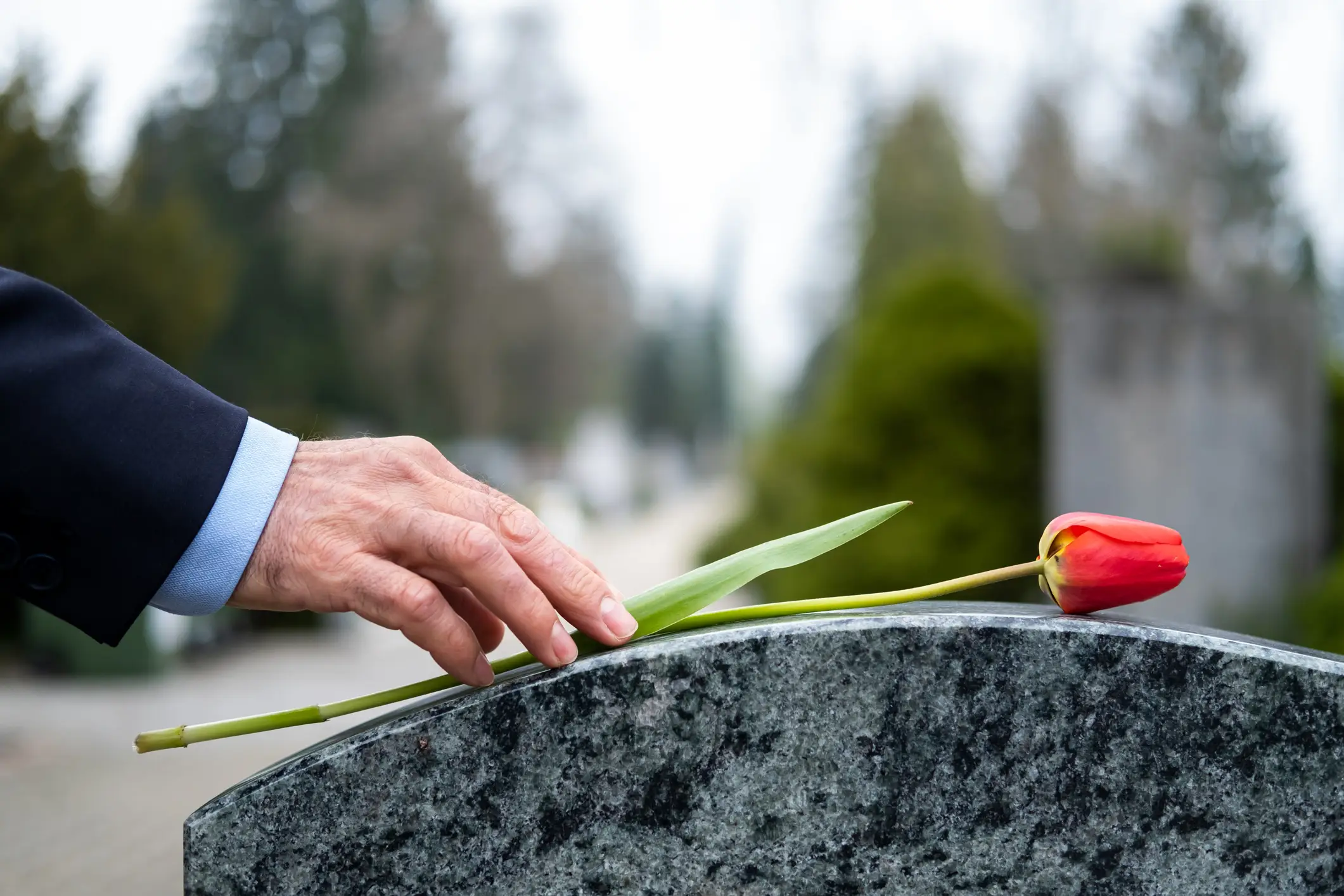
As reported by the Daily Mail, Scotland becomes the first part of the United Kingdom to allow for 'boil in the bag' funerals, where the body is dissolved in sterile liquid in a process known as alkaline hydrolysis.
It arrives in a world that's growing conscious of climate concerns, as while traditional cremation takes up considerably less land than coffin burials, it can be harmful to the environment as it uses a large amount of natural gas for the process.
Alkaline hydrolysis, on the other hand, is comparatively eco-friendly as bodies are placed in a biodegradable shroud – typically made from either wool or silk – and then 'decomposed' at around 150C in a mixture of water and alkaline chemicals.
The process overall takes around four hours to complete, although the decomposition that it replicates would take several decades under natural conditions, after which the liquid is treated and then drained, eventually finding itself alongside general wastewater.
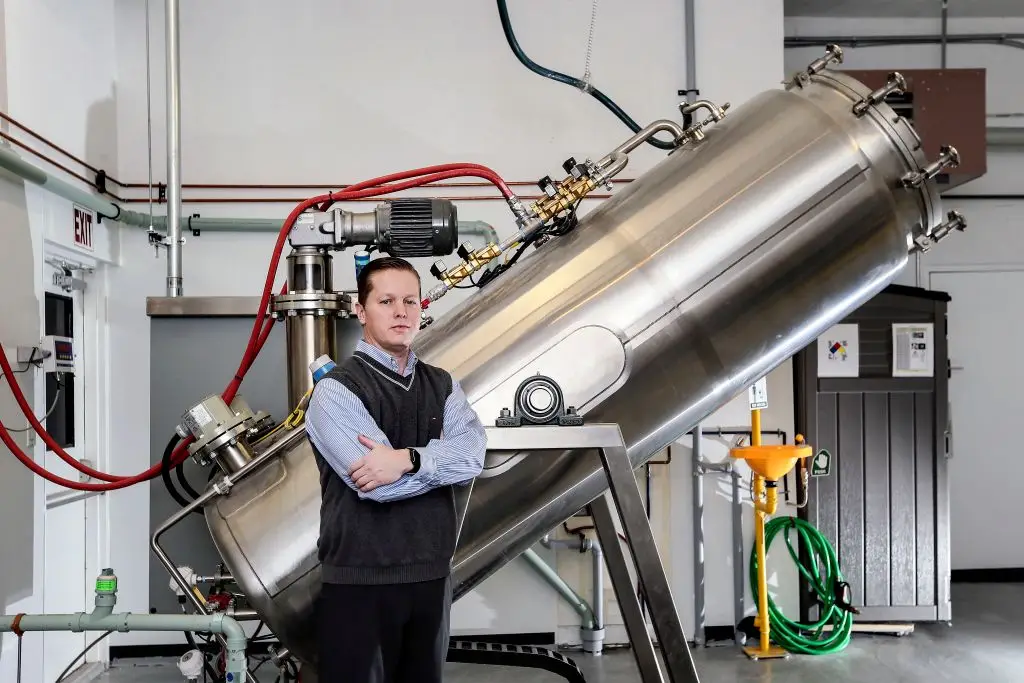
Human bones do remain after the liquid have drained, and their soft structure is dried and then cooled before being transformed into a fine powder that families and loved ones can then take away with them to commemorate in a similar way to cremation ashes.
Helen Chandler, General Manager of Kindly Earth who have the exclusive rights to produce equipment for this ceremony in Scotland, has emphasized that its introduction into the UK is all about providing choice for families when it comes to funerals.
"Each family has different values and priorities," Chandler explains. "Some people, particularly those planning ahead for their own funeral, are looking for options that feel more aligned to their own preferences. Hydrolysis provides that additional choice."