Theoretical physicist offers chilling reason why humanity won't live long enough to see 'ultimate physics breakthrough'


One leading theoretical physicist has proposed a frightening future for humanity, explaining the chilling reasoning behind his assessment that humanity won't live long enough to see the 'ultimate physics breakthrough'.
Those within the AI world firmly believe that the advanced technology will dramatically speed up major scientific discoveries – particularly relating to healthcare – and that could also be achieved when quantum computers are up and running.
There's a good chance that we're now only decades away from some of the biggest science-based questions being answered, yet we might not all live long enough to see it happen if one major figure is to be believed.
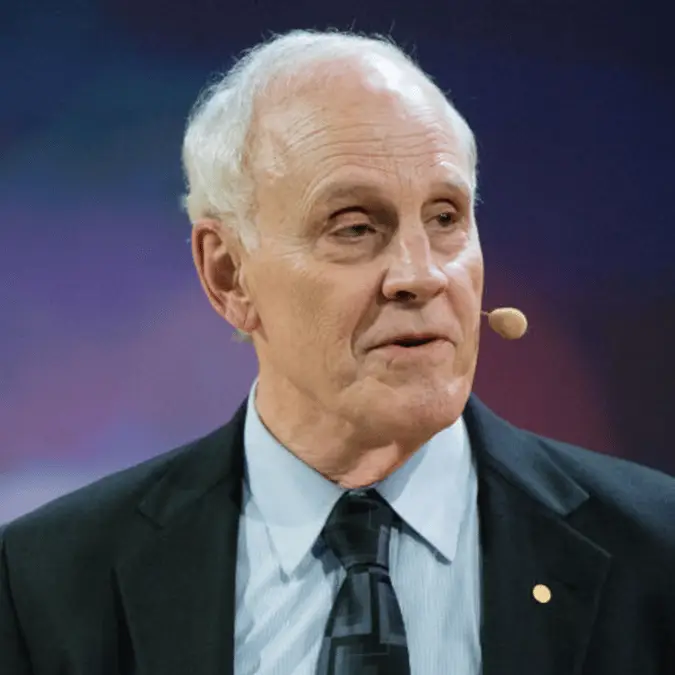
David Gross is one of the leading names in the world of theoretical physics, having been awarded the Nobel Prize in his field back in 2004 for the discovery of asymptomatic freedom in the theory of strong interaction.
Advert
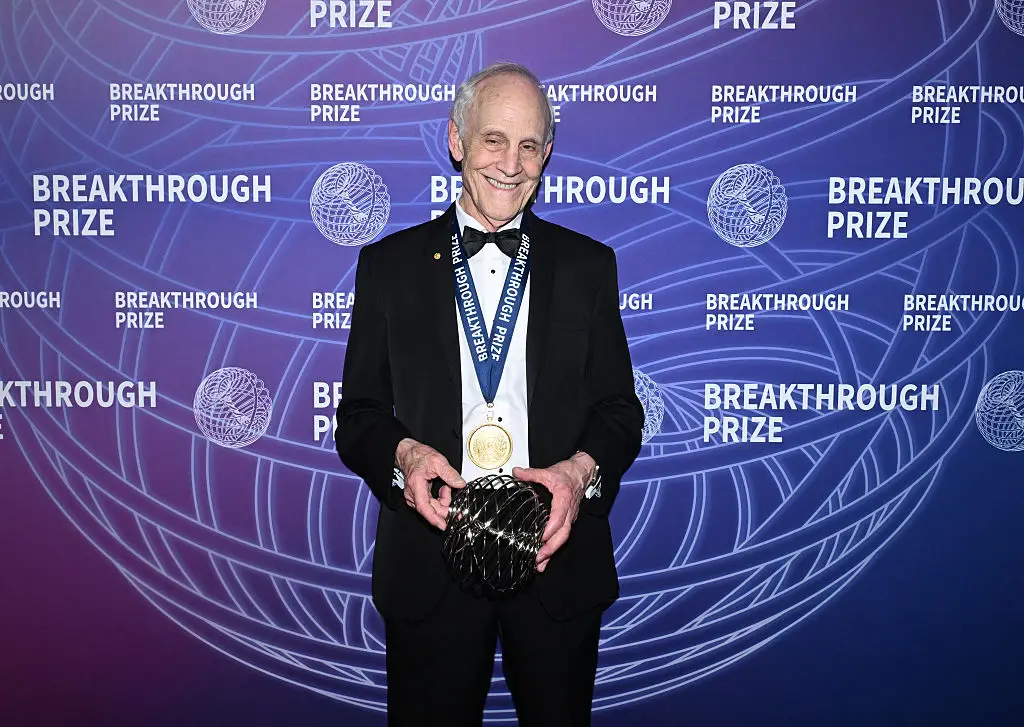
He recently spoke to Live Science in an interview that initially proposed the prospect of significant breakthroughs in his field, yet it quickly devolved into something far more sinister as Gross issued a frightening warning.
Asked if he feels as if people will be closer to having a 'unified theory that incorporates all the forces', Guest asserted that "I spend part of my time trying to tell people [...] that the chance of your living 50 [more] years are very small."
Illustrating the reasoning behind this ominous claim, the physicist noted that "due to the danger of nuclear war, you have about 35 years."
This would mean that the world is likely to end by around 2061 at the latest in Gross' eyes, and you certainly can't blame him considering how close the world has likely got to nuclear annihilation this year alone thanks to threats made by the Trump admnistration.
"It's a crude estimate," Gross continued. "Even after the Cold War ended, [when] we had strategic arms control treaties – all of which have disappeared – there were estimates there was a 1% chance of nuclear war [every year].
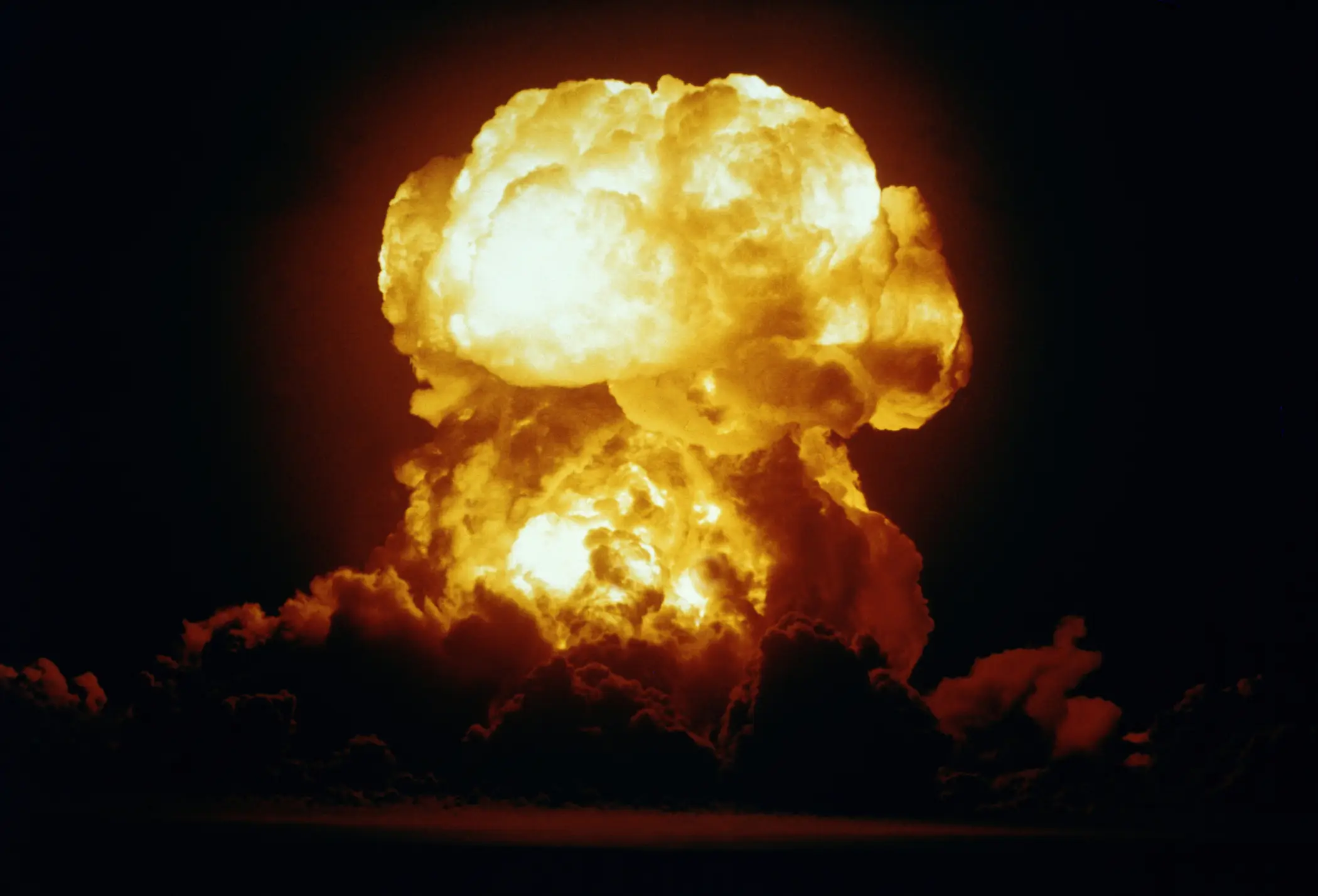
"Things have gotten so much worse in the last 30 years, as you can see every time you read the newspaper. I feel it's not a rigorous estimate, that the chances are more likely 2%. So that's a 1-in-50 chance every year."
While he has also outlined the dangers that could be ahead when AI and nuclear weapons start to interact, Gross believes that the only way forward is for nations to talk to each other, especially with the formation of new treaties that would prevent nuclear weapons from being fired.
He also hopes that humanity will rid itself of nuclear weapons in the near future, admitting that it's unlikely that this will happen, however.
"You asked me to think about the future, and I am obsessed the last few years, think about that," Gross explained, "not the future of ideas and understanding nature, but of the survival of humanity."
After all, there won't be any means to achieve the wild and potentially life-changing ideas in the future if humanity isn't around both to experience it or discover it in the first place.