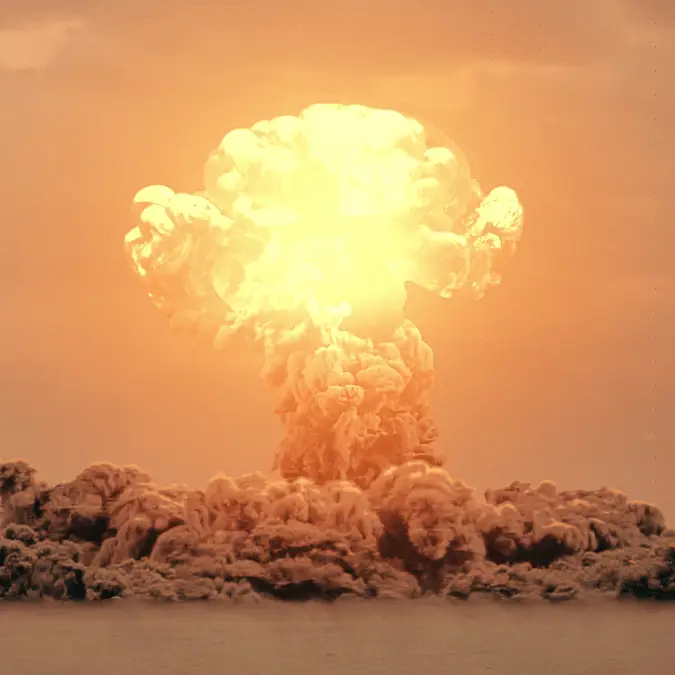
World Health Organization reportedly preparing for 'nuclear scenario' as war tensions rise


Conflict between the United States and Iran has prompted the World Health Organization (WHO) to begin preparations for a nuclear catastrophe, signalling the possibility for weapons to be used upon escalation.
There were already fears of nuclear war amid growing tensions between the United States and its two closest rivals, China and Russia, yet the decision to strike Iran with Operation Epic Fury has accelerated concerns considerably.
The attack, carried out towards the end of February, saw missiles from the US and Israel strike numerous key locations in Iran, killing Ayatollah Ali Khamenei in the process.
However, Iran has responded with equal aggression, bombing several of its neighbors and plunging the global economy into chaos by closing the Strait of Hormuz — a move that could cause devastation if a resolution isn't achieved in the next few weeks.
Advert
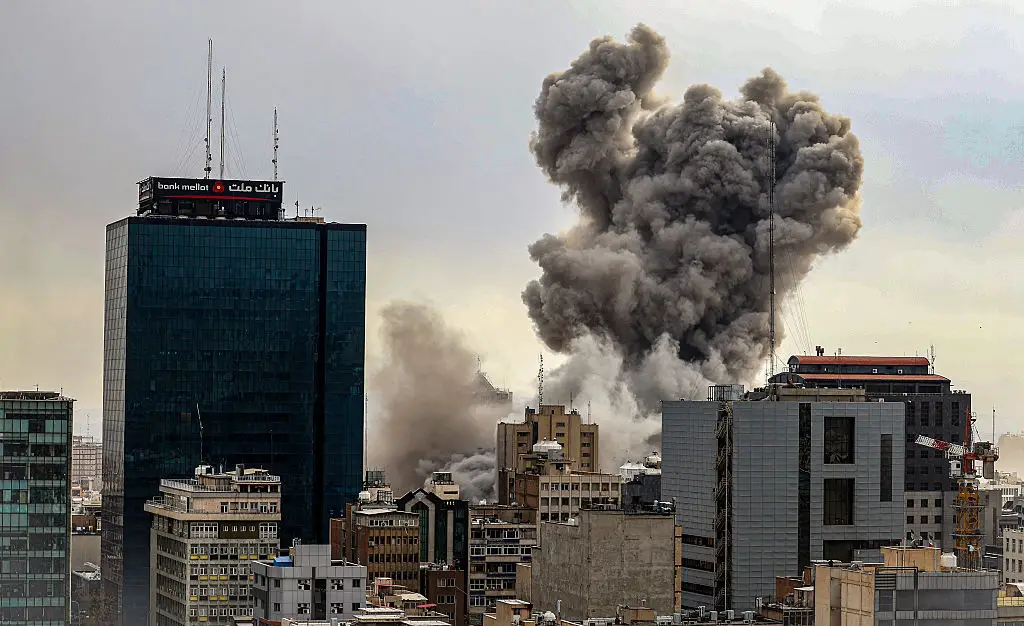
Some speculate that the next natural progression point for the conflict is a drawn-out and protracted war that doesn't have the same level of aggression between the two sides but retains existing tensions, but one major organization is seemingly preparing for the worst case scenario: nuclear attacks.
As reported by Politico, officials from WHO are preparing for the eventuality of nuclear war if escalation continues between America and Iran, with staff monitoring the ongoing situation an effort to remain 'vigilant' of potential nuclear threats.
"The worst-case scenario is a nuclear incident," explained WHO's eastern Mediterranean regional director Hanan Balkhy.
"As much as we prepare, there's nothing that can prevent the harm that will come [...] the region's way – and globally if this eventually happens – and the consequences are going to last for decades."
Experts have already outlined what is likely to happen in the immediate moments following a potential nuclear attack, with many wondering already where their nearest shelter or bunker is without the privilege of accessing top-secret compounds.
Balkhy has added that the organization is 'thinking about' the threat, both manifesting in the form of an attack on nuclear facilities or a the dreaded use of a weapon, but notes that "we're just really hoping that it does not happen."
If the worst case scenario were to come true, however, it would almost definitely signal the end of the world – at least as we know it – as mutually assured destruction would see nuclear weapons launch from across the world's leading powers, causing devastation to a global society that'll likely be left unable to recover, at least for a very long time.