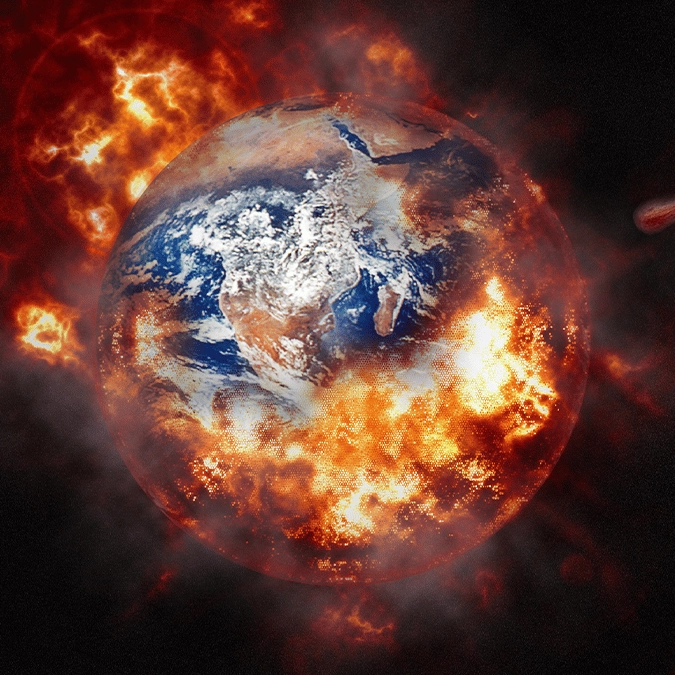
Top financial expert issues warning of 'nightmare scenario' that will send global economy plummeting into a deep recession


One financial expert has warned that the world is on the edge of a potentially catastrophic recession, as global supply chains have been put at risk following conflict in Iran.
While Iran has retaliated to air strikes from the United States and Israel with a number of attacks of their own – primarily impacting the nation's neighboring countries – it's biggest weapon is one that few might have expected.
Iran controls one of the most important trade routes in the world, with the small yet vital Strait or Hormuz allowing a fifth of the world's oil to pass through, including significant portions from various nearby Gulf states.
It didn't take long for the markets to react negatively to this, as not only did oil prices skyrocket across the board in response to impending scarcity, but stocks in general tanked in a move that could prove catastrophic for the global economy.
Advert
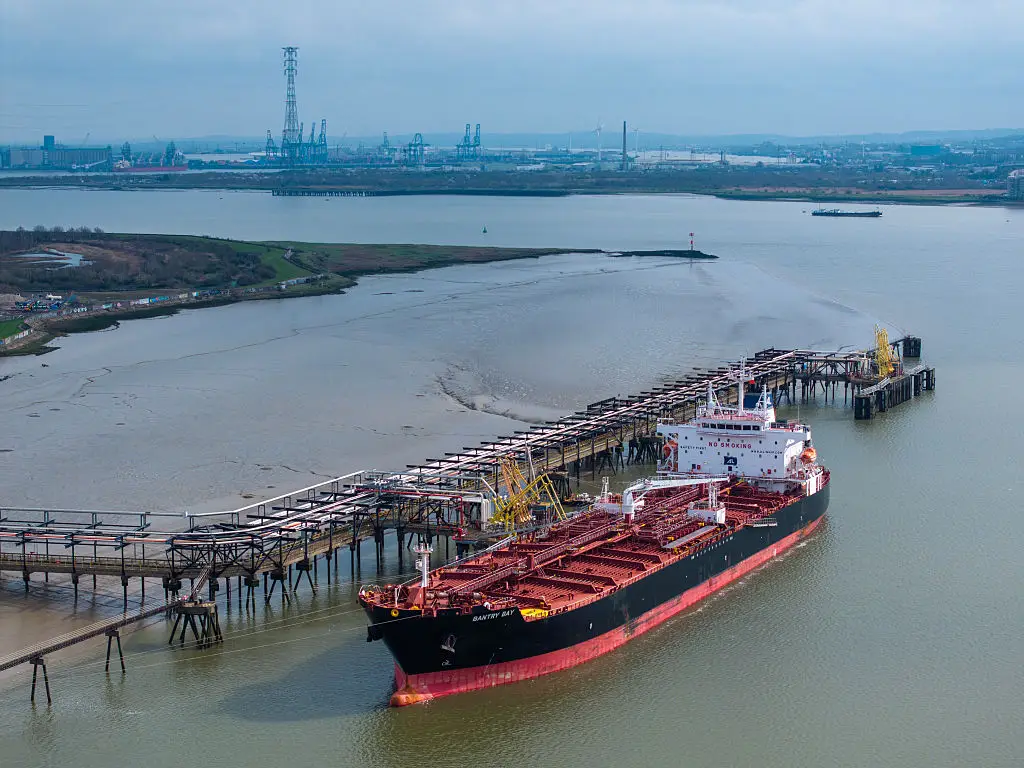
Efforts have been made from foreign nations to reopen the Strait of Hormuz, including continued bombing by the United States towards certain Iranian vessels, yet the trading route is now littered with mines that threaten to blow up any ship bold enough to attempt passage.
Many consider it unlikely that this crisis will resolve itself any time soon as both sides of the conflict appear unwilling to budge or concede, and one financial expert has issued a 'nightmare scenario' warning that spells danger for the near future.
As shared by Futurism, S&P Global vice chair Daniel Yergin described this 'nightmare scenario' in a Financial Times essay, predicting that the oil crisis coming out of the Strait of Hormuz will "send the world economy plummeting into a deep recession."
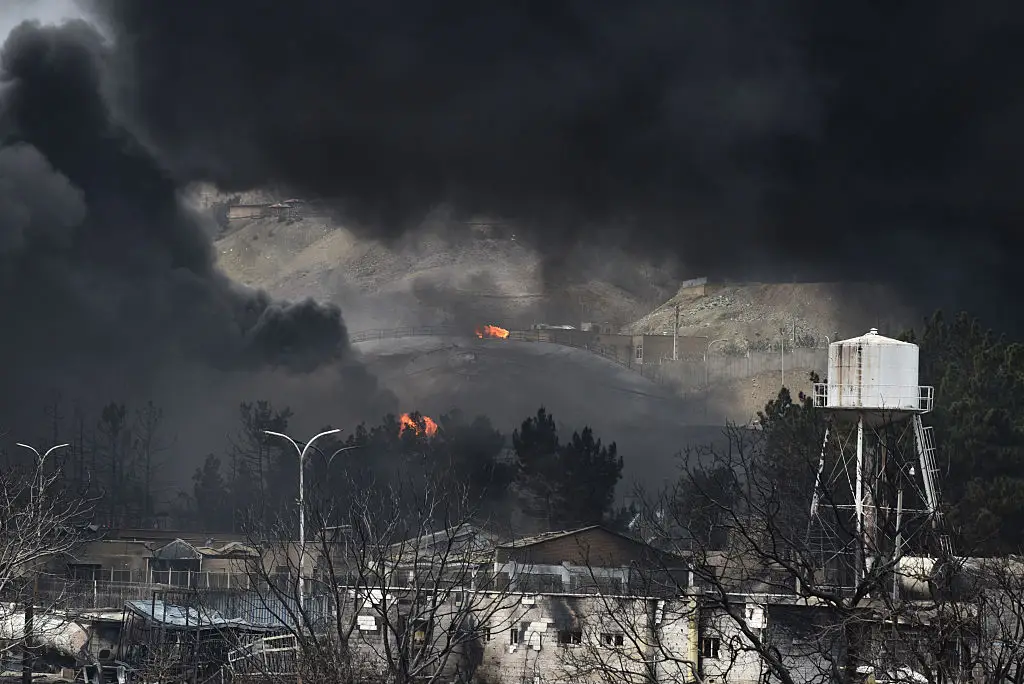
He claims that "Tehran has done everything it can to turn this into a reality" since the war began, yet the issues don't just lie with oil, as significant amounts of liquefied natural gas from nations like Qatar flow through the Strait.
"Right now, the world is looking at the biggest disruption in oil production in history as well as a resounding shock to global gas markets," Yergin explains.
"They key question for global energy markets now is the duration of this explosive war."
It's not necessarily as frightening as it might seem thanks to some considerations though, as many of the world's leading powers have prepared in part for a situation like this by accumulating significant oil reserves, and Saudi Arabia has built pipeline networks that travel from the Persian Gulf to the Red Sea.
It all depends, as Yergin asserts, exactly how long the conflict stretches on for, as stocks can only last for so long leaving even the best laid preparations in jeopardy after a certain point.