Experts reveal major impact Iran war will have on the stock market


The recent attacks on Iran by the United States and Israel aren't just sparking fears of global conflict but are having an immediate impact on the worldwide economy, especially relating to the stock market and oil prices.
This is often the case when it comes to major global events, as we recently saw significant economic shifts occur following the attacks on Venezuela orchestrated by the United States, especially relating to the acquisition of the nation's world-leading oil reserves.
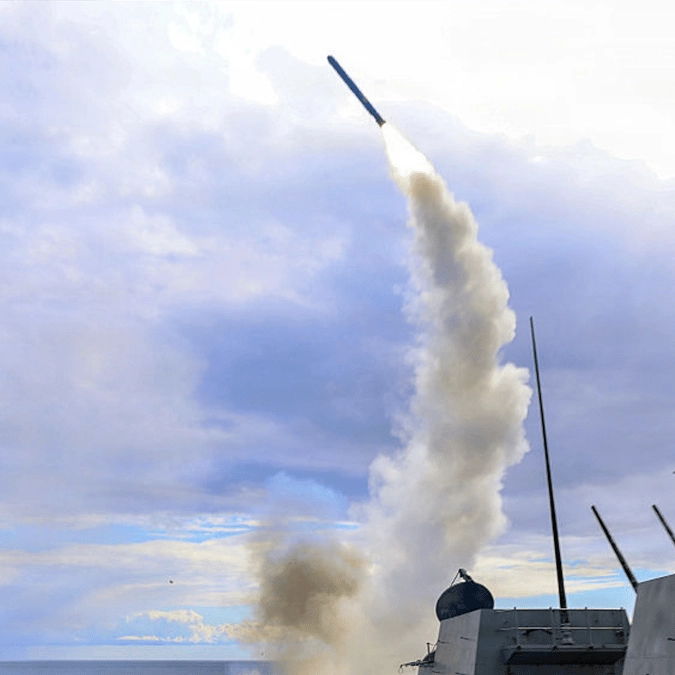
It's not surprising that military action on an even bigger scale is impacting the economy further then, as Operation Epic Fury continues to ravage on with retaliatory action from Iran onto US air bases in neighboring countries.
Advert
As reported by Business Insider, action over the weekend has prompted investors to brace for significant instability in the stock market, with the impact of both energy supply and trading routes felt almost immediately.
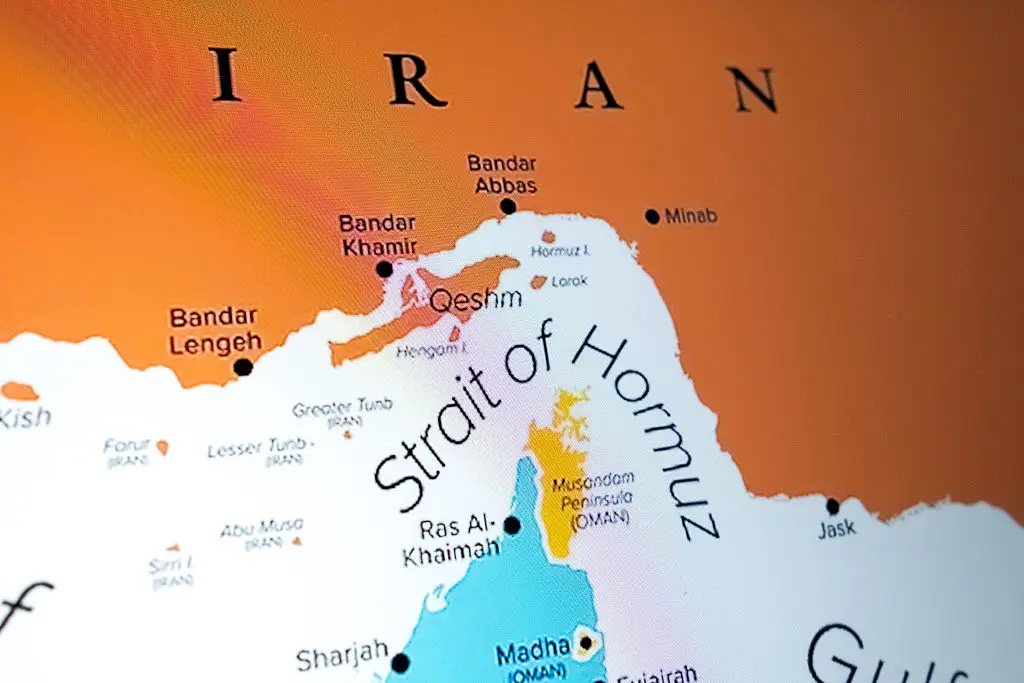
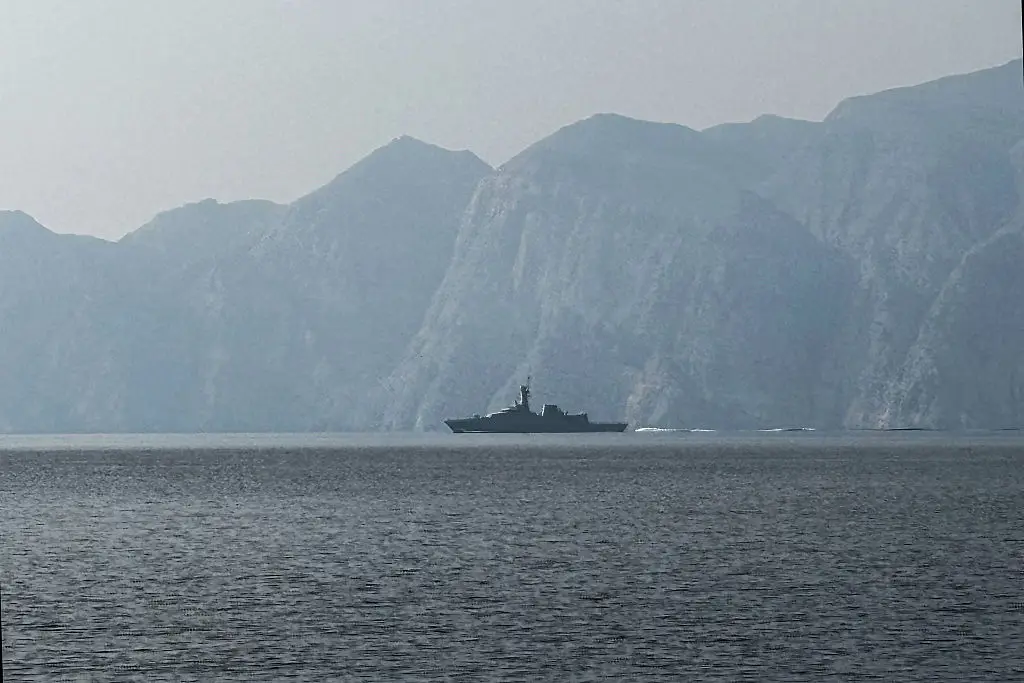
As part of its own defensive measures, Iran has closed the Strait of Hormuz to all commercial ships, threatening to set fire to any vessels if they attempt to pass through the key waterway.
If you're unaware, the Strait of Hormuz is one of the most important trading routes in the world, as it connects the Arabian Gulf with the rest of the world, handling roughly a fifth of the globe's oil trade which works out to around 21 million barrels per day, as per Sky News.
It is understood to be one of the most strategically important economic choke points in the entire world, and closing it off has already had a sizeable impact as oil prices continue to surge.
Experts predicted this following the announcement from Iran, with Barclays analysts noting on Saturday that "oil markets might have to face their worst fears on Monday," adding that "the potential effect on oil markets is hard to overstate."
It thankfully hasn't been quite as extreme as some feared, with projections of Brent reaching $100/b a little overstated with its current price at roughly $82/b, but many of the major sources have risen by at least 15 percent in the last month.
This is only likely to get worse the longer the Strait of Hormuz remains inaccessible, however, and with current military action only continuing to escalate, it seems like it could be a while.
Consequently, this will then impact inflation as rising oil prices will prompt that to increase, potentially sending shockwaves to the economic reality of billions across the globe and affecting their spending alongside businesses.