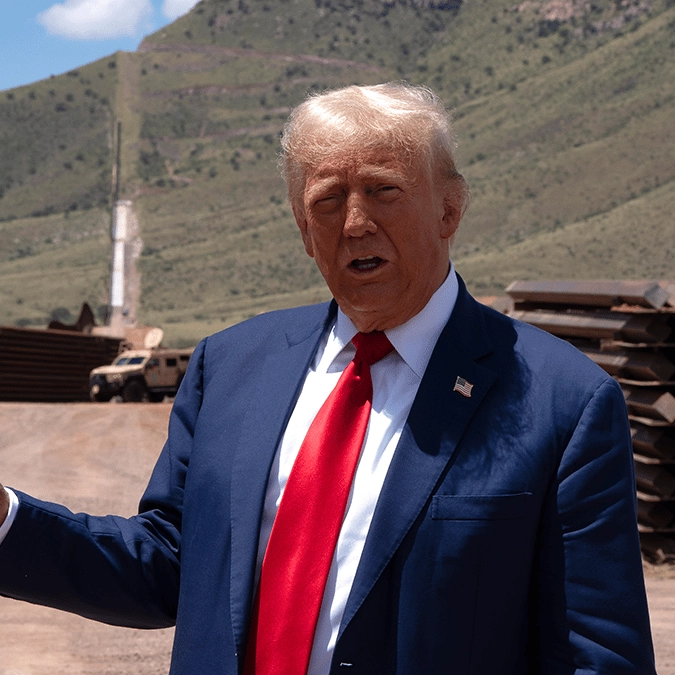
Trump’s $70B border bill greenlights massive AI ‘Smart Wall’ that will span the US border


Immigration control under the Trump administration has just received a major funding boost, as the passing of a Senate bill worth $70 billion now paves the way for the construction of a new AI powered 'smart wall' across the United States border with Mexico.
The construction of a supposedly impenetrable wall between the United States and its southern neighbor Mexico has been a priority for US President Donald Trump since he first entered the world of politics, yet the passing of new legislation won't just make it a reality, but also implement a number of AI features to assist border patrol agents along the way.
As reported by the Associated Press, a Senate vote of 52-47 has now passed the bill that provides $70 billion in funding — effectively paying for the next three years of Customs Enforcement and Border Patrol despite efforts from the Democrats to block the bill.
Consequentially, this opens up a clear pathway for the completed construction of the Smart Wall, providing a new tech-powered future of immigration prevention after Trump hijacked the government's alien website.
What is the AI Smart Wall along the US border?
As explained by U.S. Customs and Border Protection, the 'Smart Wall' is a border barrier system that previously utilized funds approved by the One Big Beautiful Bill Act, alongside the recently approved legislation for immigration funding.
Advert
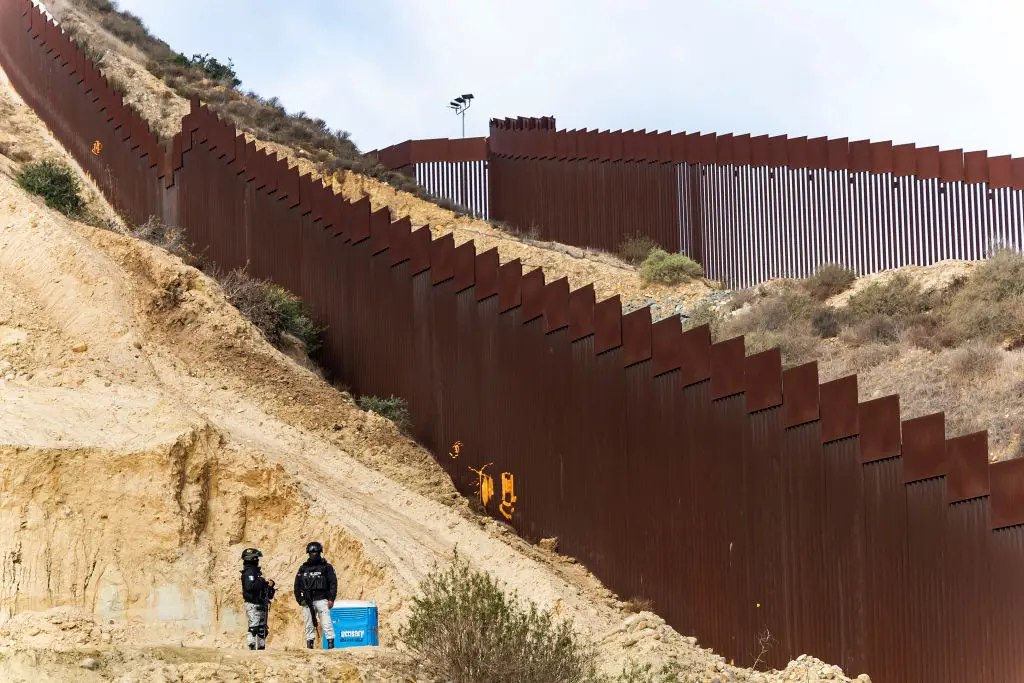
This system "includes a combination of primary and secondary steel bollard wall, waterborne barriers, patrol roads, and technology required to tie it all together, such as cameras, lights, and other detection technology."
Customs and Border Protection senior advisor Ron Vitiello revealed further details regarding the smart wall when speaking to Fox Business, outlining:
"The smart aspects, if you will, are sensors and equipment on the wall that cues agents [...] to do their work so they know when someone is approaching the wall, that someone's trying to dig under it, or actually climbing on it.
"It makes them more efficient," Vitiello continued. "The wall is an anchor for all the things agents have to do at the physical border, so they have to have access that comes with the road, the tech cues them to the activity, and then cameras and sensors to follow anybody that might make it over."
The AI aspect of this technology is likely tied to activity sensors that prevent the need for humans to be physically watching or scanning footage at all times, with some rumors circulating about face detection software spotted in recent dystopian adverts to 'tag' and identify people trying to bypass the security systems, but it's impotant to note that aspect is all speculation.
Will the Smart Wall actually be built?
One of the biggest questions that continues to surround the concept or a sophisticated border wall is its completed construction, as Trump's efforts to build a comprehensive system haven't gone to plan so far.
Vitiello does claim that there has been a '95% decrease' in activity observed by agents at the immediate border line, arguing that it's 'very difficult' for people to illegally cross the border right now.

However, one look at the Customs and Border Protection's 'Smart Wall Map' shows that the task is still a long way from completion, and three years might prove to be a challenging timeline.
Most of the sections are merely within the 'awarded' state, indicating that construction has yet to begin, although Vitiello does claim that it will be no more than "700 miles on top of what's out there now," and remains confident that the Trump administration will 'definitely' finish the project.