
What Trump’s new 50% Canada electronics tariff actually means for the cost of your tech


U.S. President Donald Trump has just signed in a new set of tariffs specifically targeting imports from Canada, and while everything from wine to hockey sticks is included in the economic policy, tech has become one of the biggest concerns for many Americans.
The decision to implement the tariff was "in response to Canada's discriminatory treatment of American products," according to a statement from the White House, with President Donald Trump "offsetting the burden and disadvantage on U.S. commerce from Canada's discriminatory treatment of U.S. commerce and [leveling] the playing field for crucial American exports."
Only energy products, fish, critical minerals, and potash have been excluded from the new political ruling, and this could have a significant and costly impact on some of your tech purchases going forward.
Like all other tariffs, it only impacts goods imported from impacted countries into the United States, either putting the cost directly onto the consumer or business, or 'encouraging' them to opt for a U.S. made and manufactured alternative instead.
How will these tariffs impact the cost of electronics?
An immediate impact of the implementation of these tariffs is price increases, either directly or indirectly for the consumer.
Advert
In the case of direct-to-consumer (DTC) surcharges, these will be placed onto the courier by effectively turning them into customs brokers, where they take on the 50% duty fee to U.S. Customs and Border Protection (CBP) and then charge that to the recipient or the original Canadian business.

This either forces the customer to pay up a potentially significant additional cost in order to receive their item – taking a $100 item up to $150, for example – or the cost will increase at the checkout for American buyers.
The latter could be more beneficial for the two, with some companies perhaps reluctant to add the full tariff charge onto the existing price in order to avoid a loss in sales, but that would reduce the amount of money they receive from the product and therefore remains unclear for the time being.
Ultimately, however, the cost of electronics and almost every other item you'd buy as an import from Canada will go up, which is bad news for consumers as a whole.
Which tech brands could be affected?
Any tech retailer that is based in Canada will be impacted by these tariffs, but some of the most notable include leading accessories seller dbrand, and hi-fi brands Paradigm and NAD Electronics.
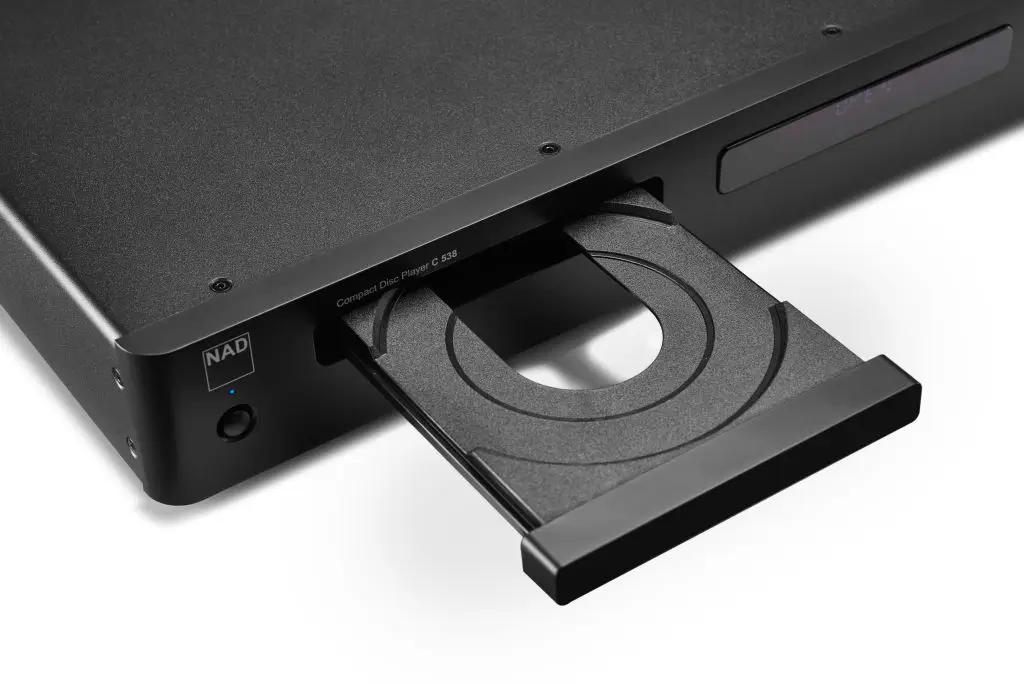
These are all likely to be impacted by the Section 338 tariff enforcement when going through the Canada-United States border, and therefore become subject to significant duty surcharges.
You might be able to find some of these products sold natively within the United States in the immediate short term and therefore be free of duty charges, but those companies selling the products will be hit with tariff costs for any future imports and therefore are likely to increase the cost for the consumer.
If you've bought anything direct from these companies or any other similar Canada-based tech companies and it is still yet to be shipped, you might want to consider cancelling your order as the price could jump up considerably as a result.