
EU pushes last-minute vote that could allow tech giants to scan your WhatsApp chats


The European Union's 'chat control' laws are subject to a last-minute emergency vote on Thursday, July 9, after MEPs voted for an urgency motion that allows for a second vote after it passed with a narrow majority of 331 to 304 on Tuesday this week.
Chat control regulation expired in April, with an exception regulation allowing tech giants like Meta, Google, and Microsoft to voluntarily view and search your private chats for content that could be deemed malicious or harmful, like child sexual abuse material.
It is part of increasing surveillance across the internet amid growing age verification laws and social media bans, with users subjected to a digital panopticon that keeps growing with every subsequent year.
Many have understandably expressed their concerns over the potential for the vote to continue to pass chat control, as while it does prevent dangerous material from being exchanged on the web, it exposes millions of residents to potential privacy breaches in a time of rising political authoritarianism.
Advert

Additionally, it undermines the core privacy and cybersecurity tenets of some of the biggest messaging apps, including WhatsApp, of which end-to-end encryption is a key feature for many users that they would rather see maintained.
Individuals rallying against chat control believe that people have a right to their own privacy, and that the protection of personal data must be upheld, yet the upcoming vote this week would make it difficult for politicians to prevent the rule from being passed.
As explained by Die PARTEI MEP Marin Sonneborn – who is one of the key figures rallying against chat control – on X, the second emergency vote this week would require 361 members of European Parliment to vote against it in order to prevent regulation from being extended.
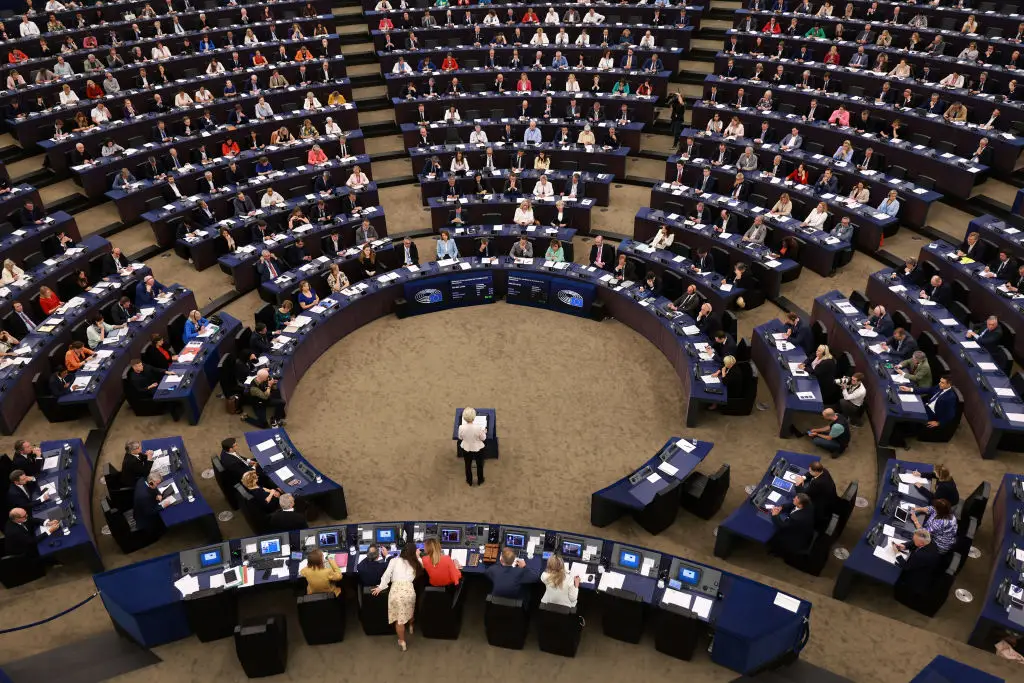
Considering the possibility of a number of MEPs being absent from the last-minute vote with Thursday being the last day before many schools across Europe break for summer, it has been deemed to be a rather tactical move to limit the possibilities of a rejection.
This makes it increasingly likely that many of the world's biggest tech companies will be given the powers to read your messages whether you've sent or discussed anything malicious or not, which is a worrying prospect for everyone.
According to Pirate Party MEP Markéta Gregorová, "the European People's Part is abusing its position as the largest political group to bring back, through a procedural loophole, a proposal that Parliment had already rejected," calling the move "unprecedented."