
New social media ban misses one major child safety concern


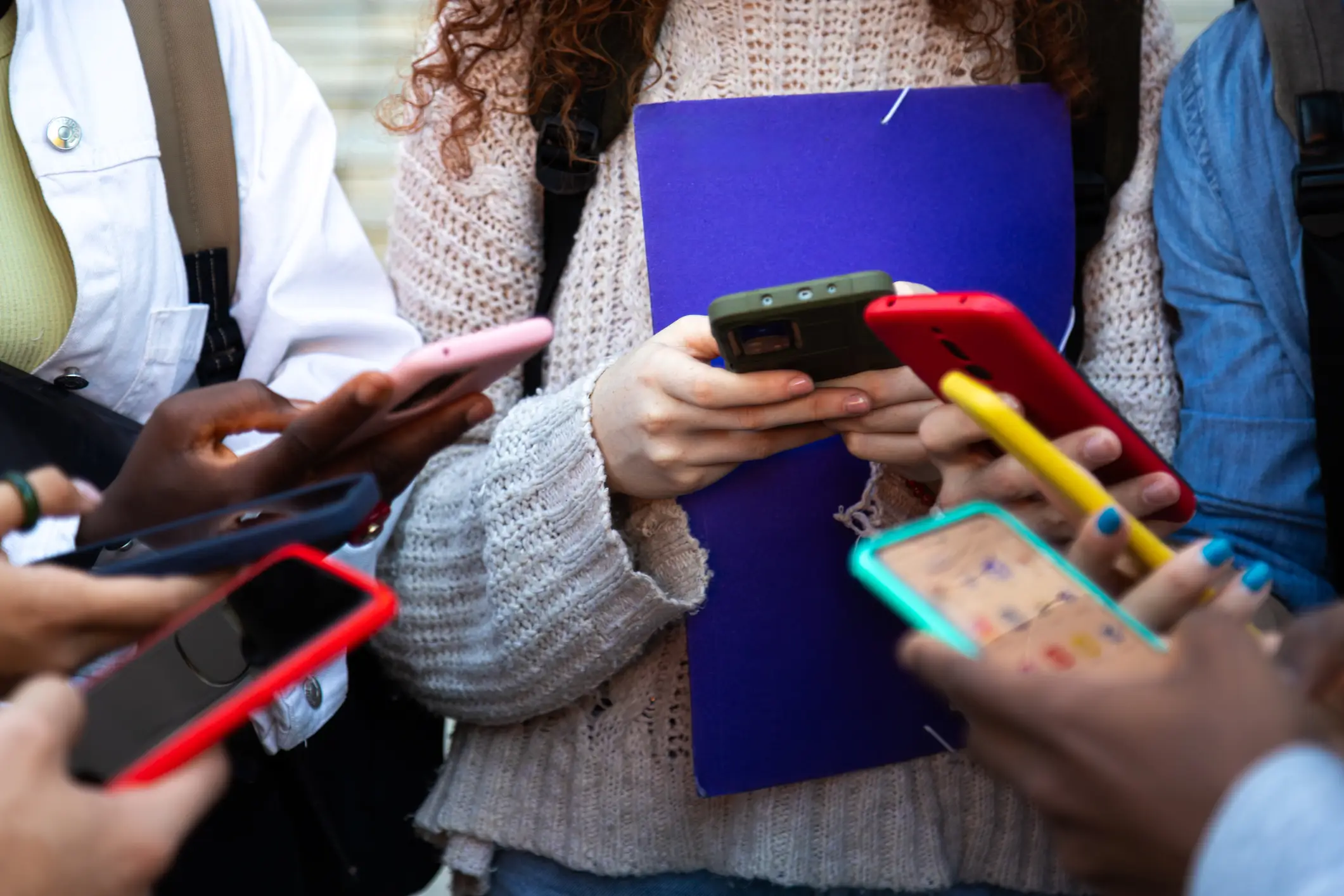
A new ban on social media for under 16s was announced in the UK earlier this week, but while it adds new layers of protection for children online, it appears to miss one major safety concern.
On Monday (June 15), British prime minister Keir Starmer spoke to the press where he announced that all children under the age of 16 would be prohibited from accessing social media under new legislation.
In a move Starmer described as giving kids ‘back their childhoods’, social media platforms will be required to verify the ages of its users to stop children from joining their sites, and is expected to come into effect by Spring 2027.
Social media has been banned for children under 16 in the UK
It has already been confirmed which apps will be affected by the new ruling, but one issue that hasn’t been addressed is what happens to the children who appear in family-style content.
Advert
Since the dawn of YouTube, family vlogging has become a popular route for parent influencers to document their day-to-day life and, of course, rake in the cash.
However, as audiences have become more aware of the serious impact having your entire childhood plastered all over the internet can have, attitudes have begun to change.
PBS previously reported on an investigation into the trend of ‘kidfluencers’, with PBS News Hour correspondent Stephanie Sy warning: “Instagram doesn’t allow children younger than 13 to have their own accounts. So what we’re seeing is parents of kidfluencers set up and manage these accounts.
“Posting content of girls can be lucrative. Instagram makes it possible to have paid monthly subscribers. And kids’ apparel brands will pay thousands of dollars for a single post of a kid modeling, say, their dance leotards.
“But what might seem innocent photos to a mom may read differently to a man or a pedophile.”
‘Kidfluencers’ are not protected under the new law
So, if children will no longer be able to access social media, what about the kids who appear in online content? According to one expert, they are not protected under the new law.
Aidan van Vuuren, who is Head of Digital at UK digital marketing agency Peak Digital, explains: “The ban restricts under-16s from holding accounts. It does not prohibit children from appearing in content produced by an adult parent. A family channel run by parents featuring their children would not automatically be prohibited. What may change is how platforms categorize and age-gate that content.”
Despite this, family vloggers could be set to lose a ‘meaningful share’ of their UK viewers as van Vuuren goes on to state: “Under-16s are often the most-engaged audience for this type of content, not just passive watchers. If platforms enforce age verification robustly, UK-based family channels could see a significant drop in comments, shares and the algorithm-driving engagement that comes from that age group.”
There is a growing call for more laws around family content
As the naivety of social media has worn off in recent years, there has been more public concern expressed than ever before about the impact family vlogging has on the children involved.

Governments around the world have begun rapidly introducing new legislation to regulate family vlogging and protect ‘kidfluencers’, but there is currently no UK equivalent of the US Coogan Law, which protects the earnings of child performers in traditional media.
However, this new social media ban could be the first sign that times are changing, with van Vuuren going on to say that this ban ‘signals political appetite for much stronger regulation of child-featuring content more broadly’.
He adds: “I expect renewed calls for that kind of protection as this debate intensifies.”