US military weapon test blamed for fatal air ambulance crash that killed four Americans


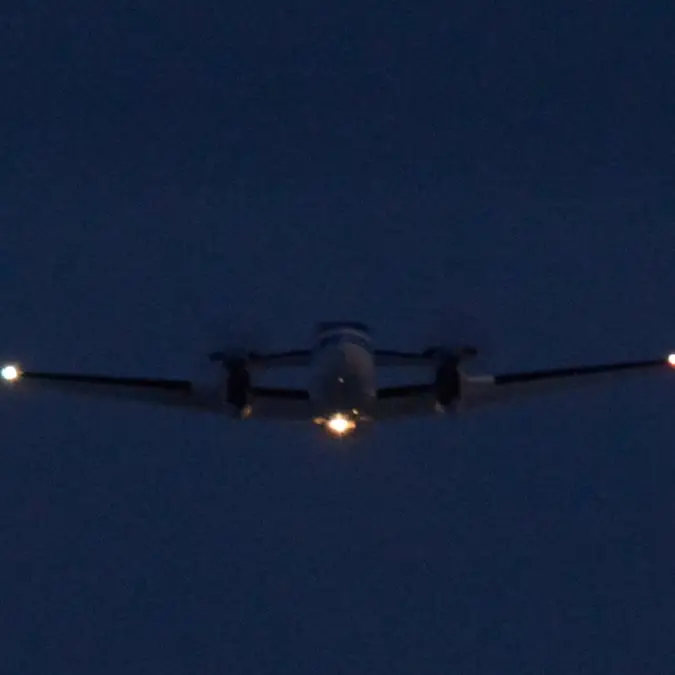
The twin-engine Beechcraft King Air was flying from Roswell to Ruidoso in New Mexico shortly before midnight on May 13, when its pilots reported suddenly losing access to GPS navigation.
To make matters worse, it was an almost moonless night, giving the crew limited visibility as they flew over the dark landscape.
The situation resulted in a fatal disaster that has now been linked to a US military exercise which involved GPS-jamming technology.
This is because around 100 miles away from the aircraft, military personnel were conducting an electronic warfare exercise at White Sands Missile Range, during which tech designed to disrupt GPS signals was being tested.
Advert
Records from the Federal Aviation Administration show that pilots had been warned the exercises could interfere with GPS signals across a huge area, potentially reaching up to 400 miles from the testing site.

The disruption reportedly began affecting the King Air just minutes after takeoff.
The pilots contacted air traffic control after losing GPS and were given directions as they attempted to switch from a GPS-dependent RNAV approach to a ground-based instrument landing system.
They were not the only crew experiencing problems that night as three other planes also reported GPS issues and required assistance from air traffic controllers, adding to the challenge of getting the air ambulance safely towards Ruidoso.
By around 12:08am, the King Air had flown approximately 10 miles beyond the airport’s landing pattern but the pilots eventually noticed the lights of Ruidoso’s airport around 31 miles away and were given permission to make a visual approach.
However, there was a major problem they couldn’t see in the darkness and that was the 10,000-foot Capitan Mountains directly in their path.

The plane struck the mountainside at full speed, killing all four people on board - Captain Keelan Clark, 30, First Officer Ali Kawsara, 23, and nurses Sarah Clark, 33, and Jamie Novick, 33.
At the time, the Air Force’s 746th Test Squadron was carrying out its NAVFEST electronic warfare exercise at White Sands Missile Range.
The GPS interference has not been officially established as the cause of the crash, and the FAA had issued warnings covering the period from May 12 to 18, informing pilots that the military testing could disrupt GPS signals over a substantial area, but the incident has since raised questions about the potential consequences of military electronic warfare exercises.
The NTSB’s final report is expected to provide a much clearer picture of exactly what happened in the moments before the aircraft hit the mountainside.