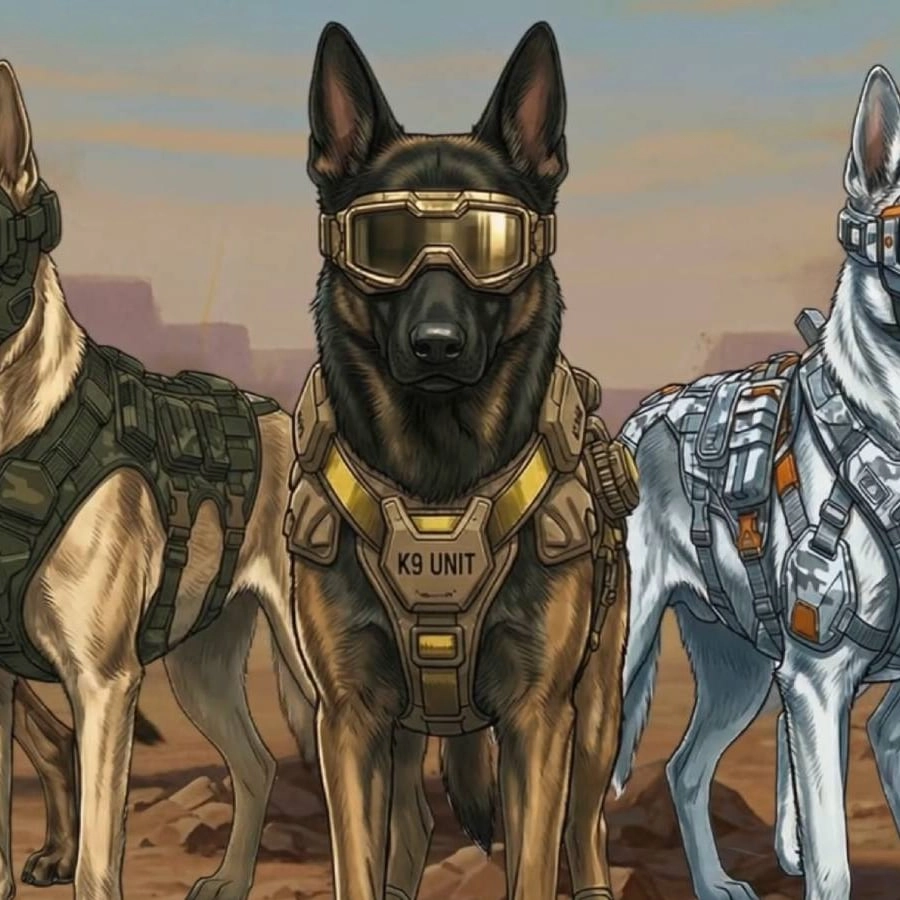
Billionaire Palmer Luckey faces PETA backlash over ‘Captain America’ military dog project


There's further controversy involving a $200 million startup that plans to genetically engineer dogs for use in the military.
As the brainchild of defense entrepreneur Palmer Luckey and Colossal Biosciences co-founder Ben Lamm, Warhound recently grabbed headlines after it stealth-launched as a company that wants to create 'Captain America' dogs.
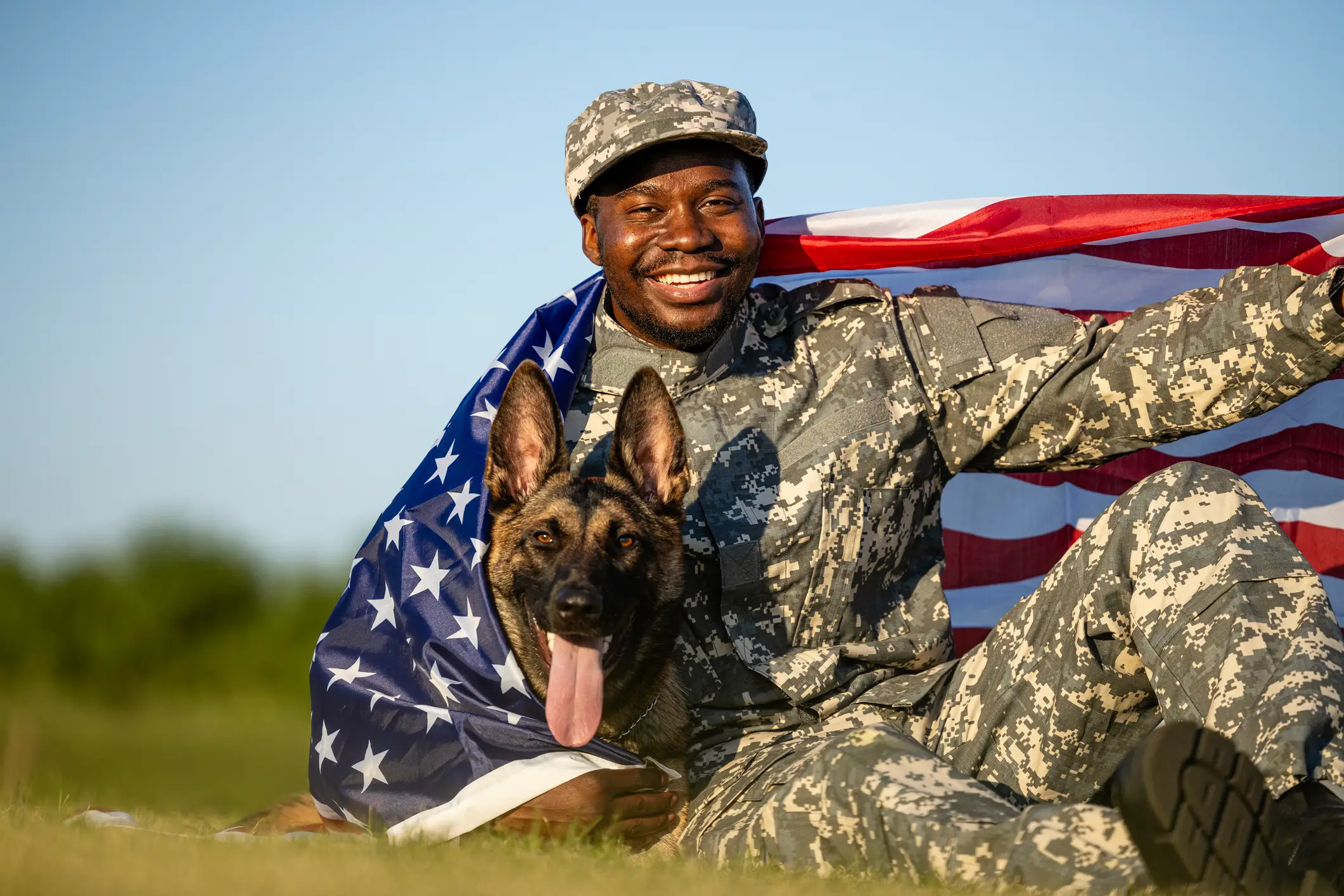
Warhound aims to fix a reliance on Europe, with over 80% of the U.S. military’s working dogs coming from there and less than half of them apparently being fit for service.
While Warhound's dogs don't exist yet, it's said that one group of elite military dogs has already had their genetic material preserved via 'biobanking', with gene editing and cloning being the next part of the process. The first litter of these genetically engineered dogs should be with us in the next two years.
What has PETA said about Warhound?
Advert
The Warhound website boasts, "Proud to serve, built for victory, and although some have cheered this message, People for the Ethical Treatment of Animals has made its feelings clear. We previously covered the backlash, with some arguing that work genetically engineering dogs should be used to extend their sometimes sadly short lifespan, not making super soldier dogs to send into battle.
Experts also suggest that while the science is there, there could be potential issues when it comes to errors, inefficiencies, and ethical concerns.
Clapping back at the whole idea of Warhound, PETA Senior Vice President Colleen O’Brien called out 'billionaire Palmer Luckey's new startup' and slammed plans to specifically engineer dogs for military work. The animal rights organization called Luckey and Lamm to task, stating: "It’s a pity that some people with enormous amounts of money have very little common sense. Genetically engineering dogs for dangerous military work is a stunningly old-fashioned idea at a time when other agencies are phasing out the use of dogs in favor of robotics, AI, and other state-of-the-art technology that can be used without putting dogs in harm’s way."
PETA maintains that robot dogs have already been deployed in active combat zones and argues that they can perform many of the same duties as traditional military and police dogs "while sparing real dogs from being shot, blown up, strangled, or suffering slow, agonizing deaths from heatstroke."
Warhound responds to PETA's claim
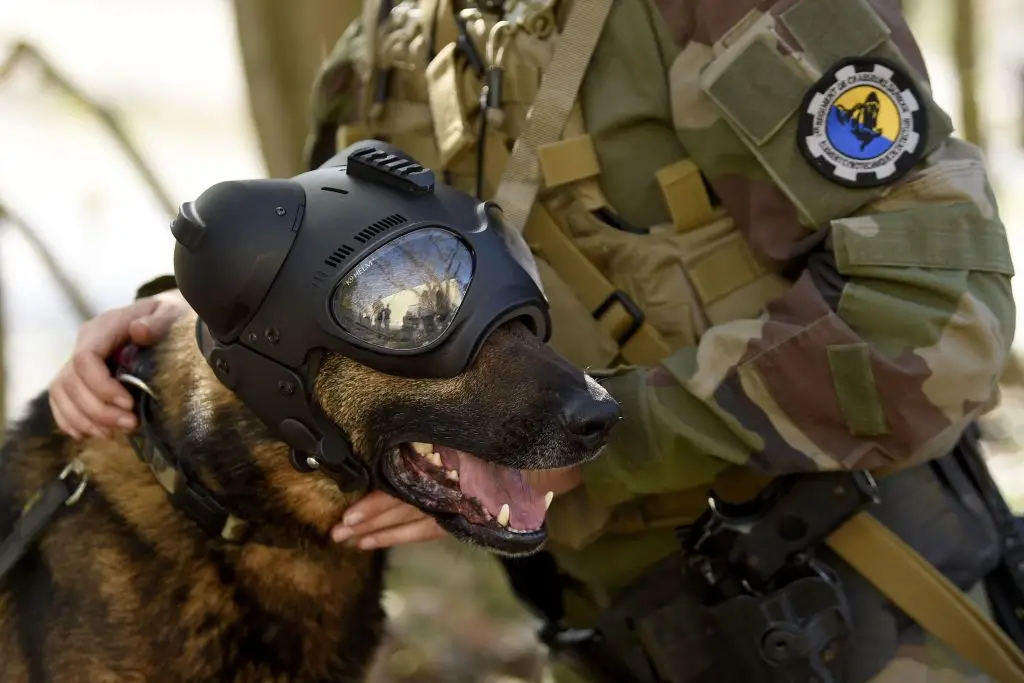
As these two sides look destined to go to war of their own (in words), Warhound has issued its own response to PETA. Warhound reiterated that it wants to share PETA's goal of protecting working dogs and reducing their exposure to danger and explained: "Robotics and AI should be used wherever they can safely and effectively perform a mission, but working dogs continue to serve in specialized roles alongside first responders, law-enforcement officers and military personnel."
A Warhound spokesperson claims the company's purpose is to make dogs "healthier, safer and better protected—not to put more animals in harm’s way."
The statement concluded: "Our initial work focuses on reducing inherited health risks, beginning with proven working-dog lines and improving training outcomes so fewer dogs enter programs without ultimately qualifying for service.
"We are also integrating protective equipment and advanced technology designed to improve situational awareness and reduce risks for both dogs and handlers. Animal welfare, responsible development and lifelong care will remain central to Warhound’s approach.”
In terms of the science, Lisa Moses, a veterinarian and bioethicist at Harvard University, told Scientific American that cloning dogs isn't exactly new but warned it can be harmful. As well as the rate of successful live offspring remaining low in cloned dogs, it's said that the process often puts the surrogate mother in danger. Moses said: "It is by no means a perfect science, and by that, I mean it’s still a fairly inefficient process. It requires a lot of dogs to have invasive things done to them and to be killed in order to produce one cloned puppy.”
With Warhound planning on modifying its dogs to reduce the risk of hip and eye issues, as well as cancer predisposition, much of the chatter online is imploring Warhound to use this to improve the lives of dogs in general, not use them for the military.