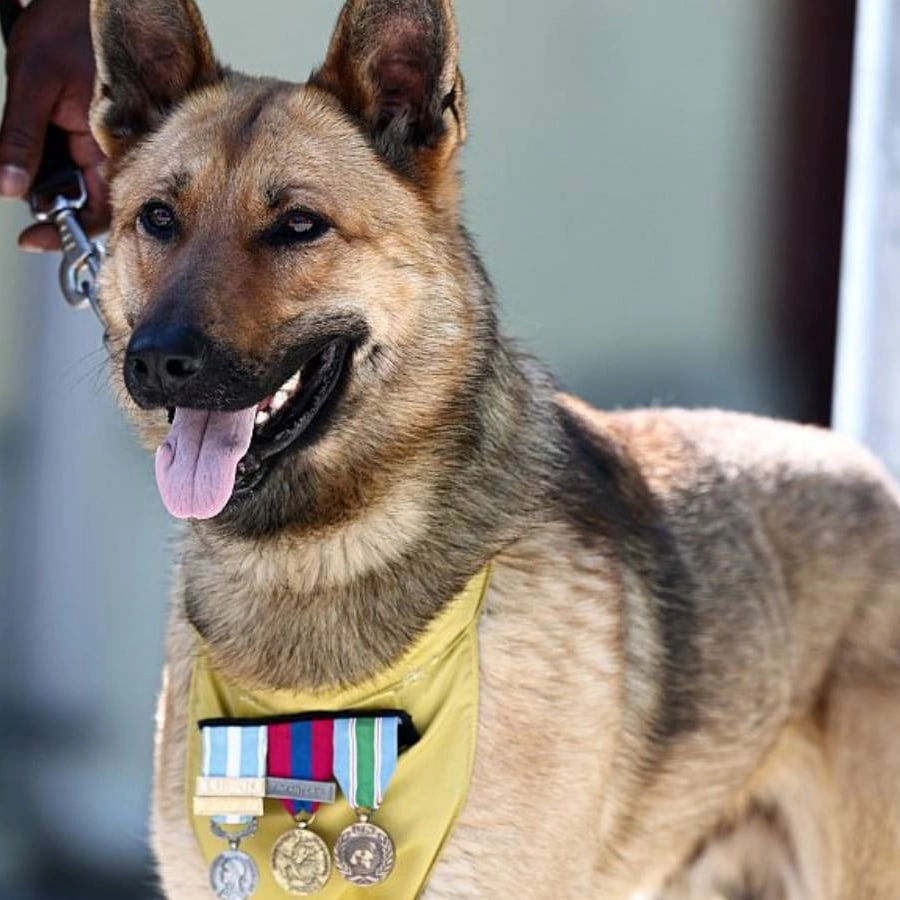
$200 million Warhound startup plans to genetically engineer the 'Captain America' of dogs for war


A $200 million American startup is planning to genetically engineer dogs for the military. Wardhound is entrepreneur Palmer Luckey’s latest venture, which was announced on October 22.
Luckey is a defense contractor who you might remember for creating a deadly virtual reality headset that would kill you if you died in a video game.
He’s now teamed up with Colossal Biosciences co-founder Ben Lamm — the people behind bringing back the dire wolf and resurrecting the woolly mammoth — to launch Warhound. In Luckey's own words: "Man's best friend deserves man's best tech."
What is Warhound?
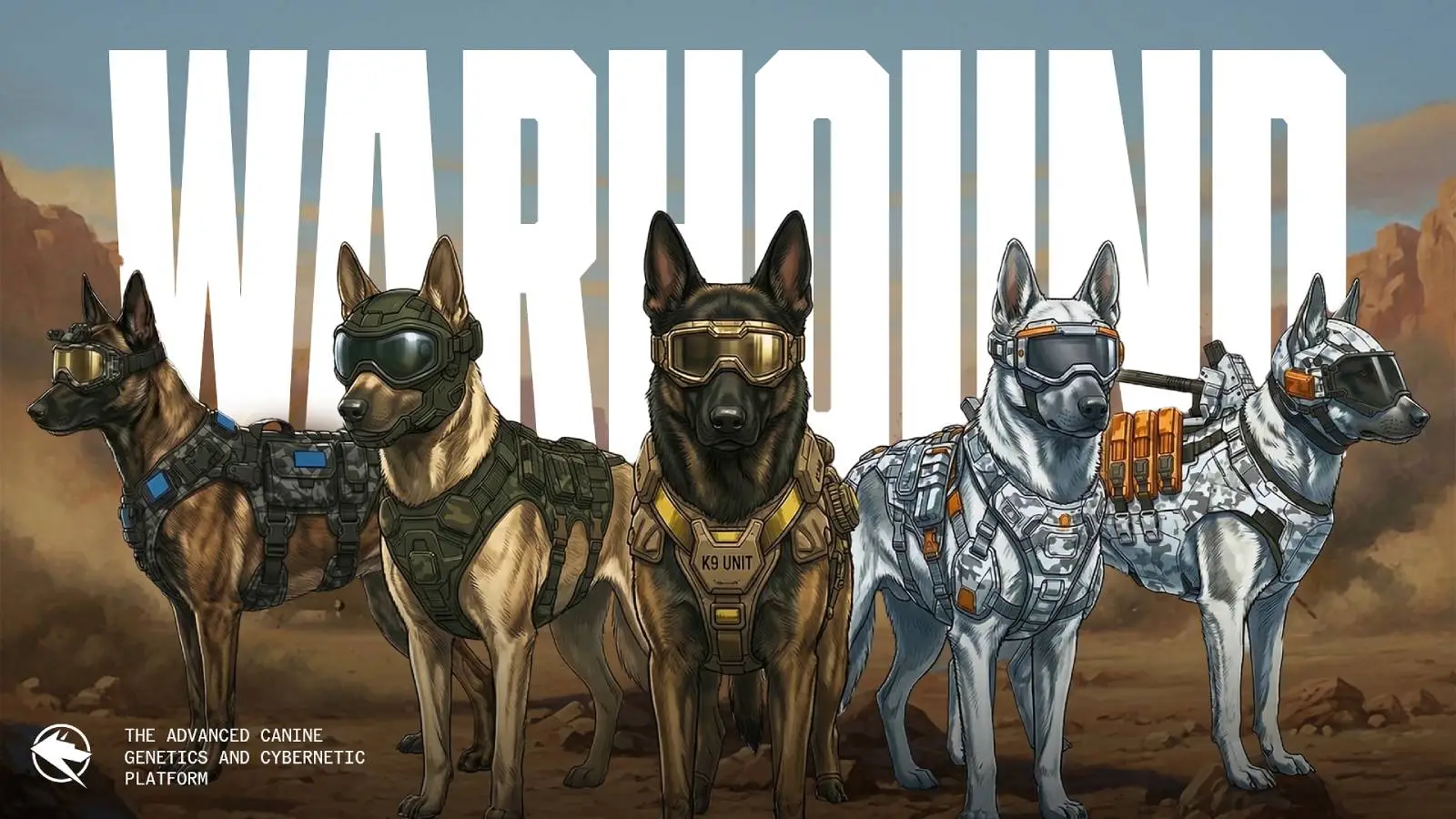
In a press release, Warhound explained how it "will build America's domestic supply of elite working dogs for U.S. military forces, law-enforcement, emergency first response team." Tactical dogs are described as a 'critical national security resource' that the USA has relied on 'foreign' countries to provide.
Advert
At a time that Donald Trump is pushing to build big in America, Fortune reminds us most of America's military-grade dogs come from Europe and around half don't make it through training.
The Department of War’s Military Working Dog Program has over 2,200 dog teams, and with more than 80% of the U.S. military's working dogs coming from Europe, Lamm cited the Senate Armed Services Committee's warning that “due to the finite number of breeders overseas, as well as rising market demand, the cost…to procure whelped military working dogs from Europe is skyrocketing."
He continued to back Warhound by referring to the American Kennel Club’s assessment that said: "There is now a shortage of even mediocre quality foreign dogs available.”
Warhound will be based in Texas and headed up by David Spirk, a former Marine and the Pentagon’s former chief data officer, serving as CEO.
According to Lamm, Warhound will find the cream of the military-trained dog crop and then store parts of their genetic material for potential cloning in a process called biobanking.
These elite dogs will be cloned, although he reiterated that “training and environment will always influence performance."
Warhound also plans targeted gene edits that could enhance certain aspects of a dog or remove potential flaws.
One group of dogs has apparently already been biobanked and is currently going through the gene edit process, with a plan to deliver the first batch in about two years.
Variants tied to muscle degeneration and other inherited diseases will supposedly be edited out so that “no dog enters service carrying genetic markers known to cause common career-ending conditions.”
Warhound is looking further ahead at what other traits are "scientifically and responsibly actionable," as well as "future genetic enhancements to improve their already exceptional performance.”
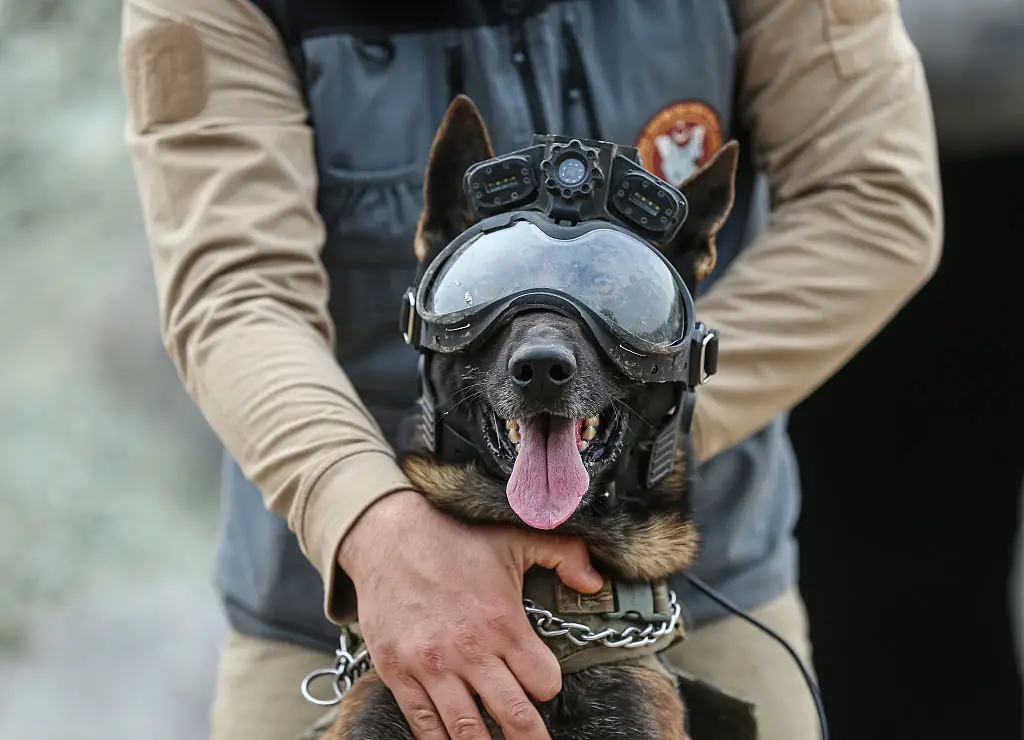
Luckey's Anduril is supplying the likes of ear protection and body armor for the dogs, integrated with its AI-powered EagleEye warfighter system that will connect them to the humans in charge.
Warhound faces backlash
There's been much debate about Warhound since it was announced, but responding to Fortune, Lamm reiterated: "A dog is the oldest autonomous system there is. For thousands of years, dogs have gone into danger ahead of the people they protect.” could put your historic note here.
While it hasn't revealed the price per dog, Lamm is optimistic about its future and a mention of these 'cybernetic Augments’. He says he isn't trying to replace dogs with robots: "No machine today matches a dog’s nose or its judgment in complex environments."
He also branded Warhound the Captain America of dog programs, comparing it to Marvel Comics' Super Soldier program that you'll also remember from 2011's Captain America: The First Avenger.
Others online remain unconvinced, comparing it to something from CD Projekt Red's Cyberpunk 2077.
Replying to one post about Warhound, someone vented: "The future of warfare is drones and plus we have Boston Dynamics dogs, no need to put real dogs in danger unless you're deranged in the head."
Another added: "Awful. Will increase the 'expendability' of dogs in the battlefield. Just use robot dogs."
A third had a more positive outlook as they concluded: "If along the way they learn how to add 10 to 20 years to a dogs lifespan it will be a great thing."