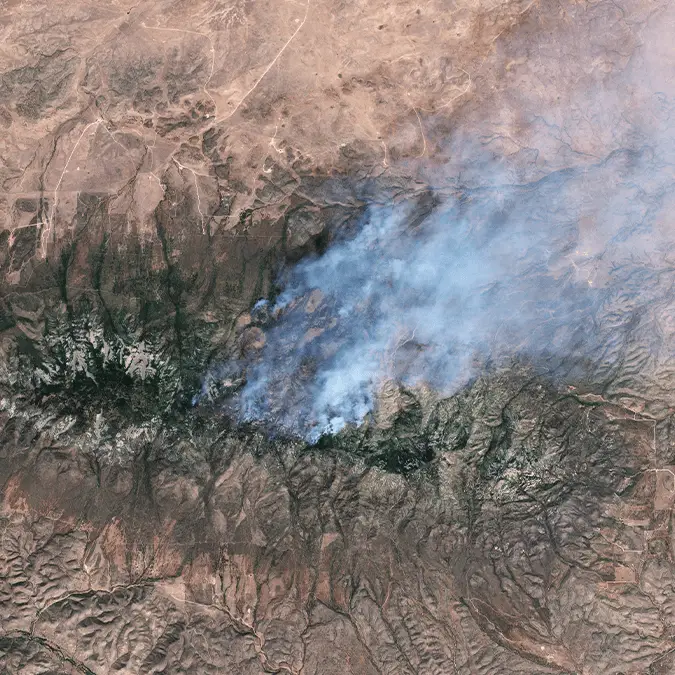
The US military's experimental GPS jamming tech linked to fatal New Mexico plane crash


Reports have revealed how the U.S. military were involved in a fatal medevac airplane crash in May, with experimental GPS-blocking technology responsible for the terrifying loss of control while in the air.
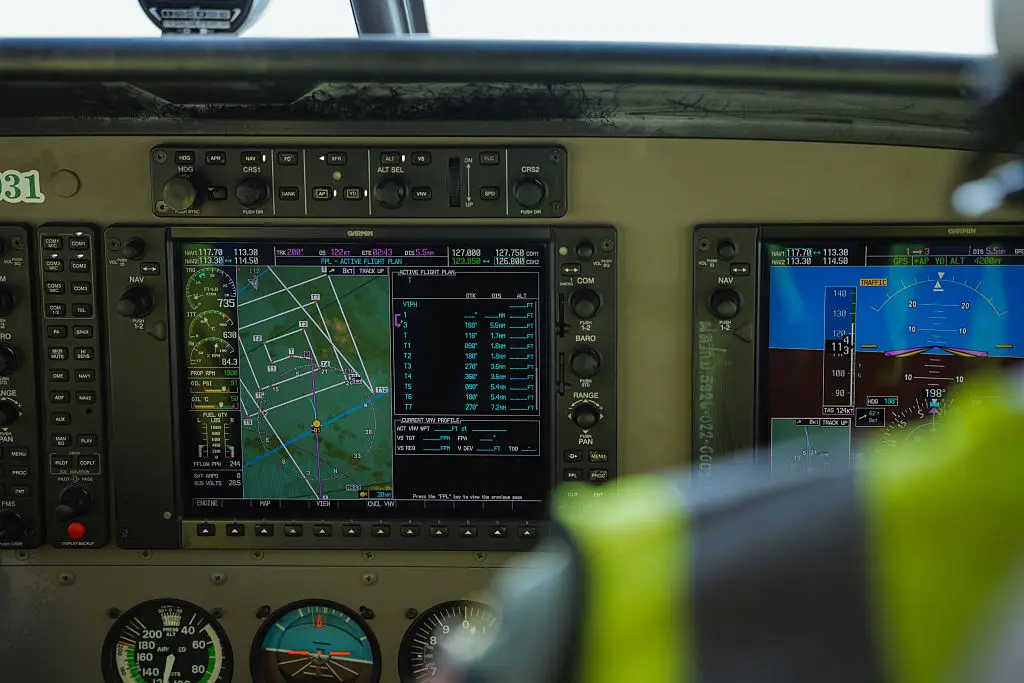
The issue occurred after the flight took off from Roswell, New Mexico on its way to Ruidoso to pick up a patient, where what would be usually a 30-minute journey ended in catastrophe as the plane's GPS system was suddenly wiped out.
Two pilots and two nurses on board the Beechcraft King Air medevac plane tragically perished as the flight unexpectedly collided with a nearby mountain face after losing all sense of direction, and it has been suggested that GPS blocking technology deployed by the military could be at fault.
As reported by WIRED, it appears as if tests were being conducted that very same night at the nearby White Sands Missile Range, with a GPS jamming exercise inadvertently preventing the plane from accessing vital navigation technology.
Advert
The medevac plane wasn't the only flight to experience a complete navigation blackout, as any vehicles in a several-hundred-mile vicinity of the military base would have been hit with the same impact, yet this particular incident had unfortunately tragic results.
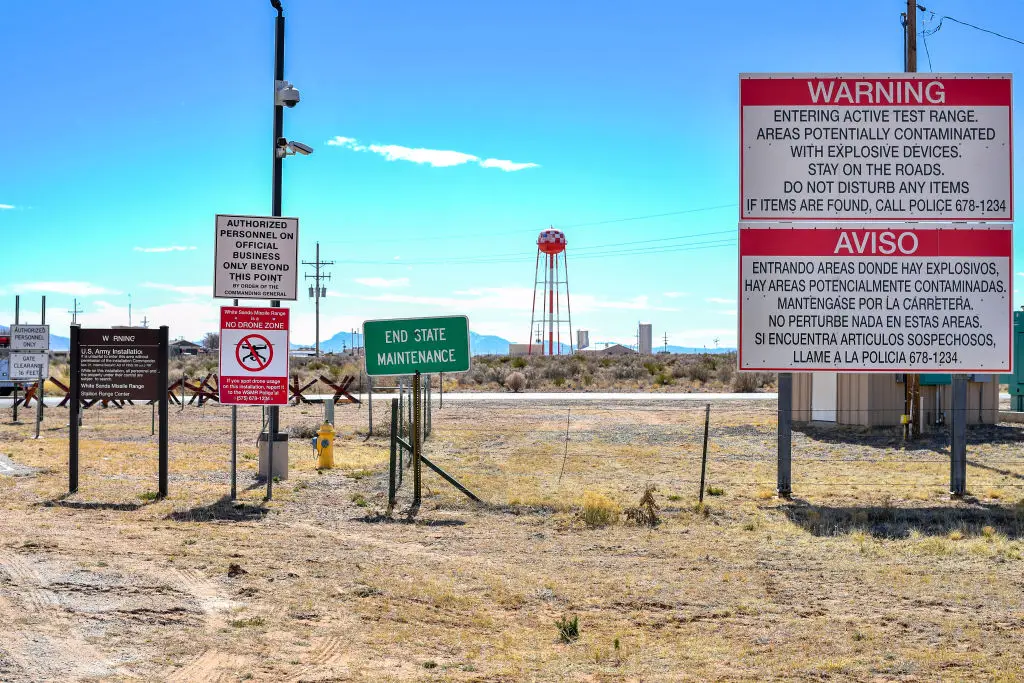
It's the first time that military-based GPS jamming technology has contributed to a civilian plane crash on American soil, but an increasing number of these incidents are occurring across the world in a worrying string of events.
While the pilots were both qualified to fly in low-visibility conditions and they were previously aware of the challenging status of that very night, with only a small number of visual references there to be spotted, the loss of GPS technology caused extreme difficulties.
They asked the Albuquerque Air Route Traffic Control Center for a magnetic direction to fly in after the plane's GPS tech cut out, but this caused them to overshoot the landing pattern by around 10 miles, causing them to opt instead for a visual approach.
This request was granted by the Albuquerque Center as they headed for Ruidoso's airport, but during their descent they were unable to see the Capitan Mountains which unexpectedly rose up into view, creating understandable confusion and chaos in the moment.
In a panic the pilots attempts to climb into the air as much as they could, but the collision was inescapable at that point with the plane crashing into the 10,000-foot-high mountain at full speed.
Todd Humphreys, a University of Texas aerospace engineering professor, addressed the growing concerns over GPS jamming technology, and how it could continue to pose a threat in the near future.
"There is no question that increased levels of GPS jamming and spoofing around the world pose a safety risk for commercial aviation," he indicated.
"When alarms go off routinely in the cockpit, and when pilots learn to disregard key readings from their instruments because the readings can't be trusted, we're a long way from normal operation."