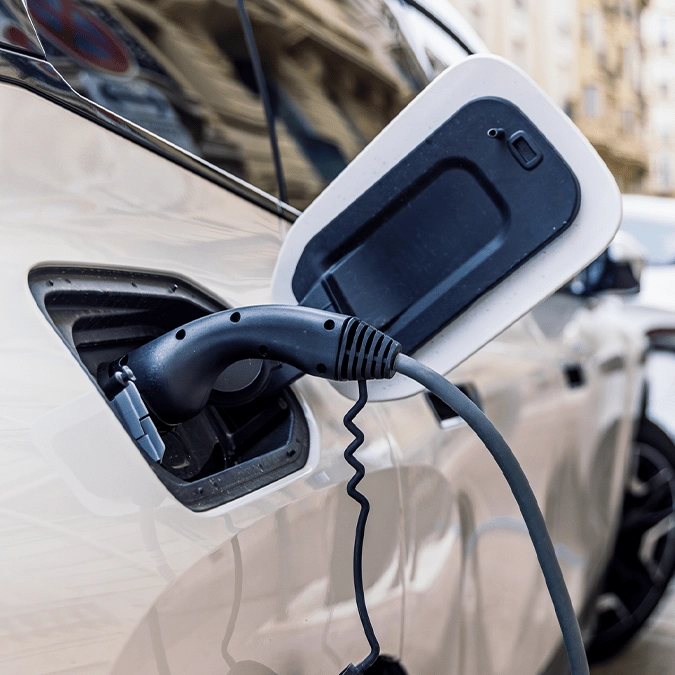
Japan set to revolutionize electric car industry by recovering 90% of lithium from used batteries


The modern world is thirstier for raw materials than it has ever been.
Electric cars are selling in record numbers, and the AI boom has thrown up power-hungry data centres that drank through 264 billion gallons of water in a single year as parts of the US battled drought.
With demand climbing on every front, the race is on to waste less of what we dig up.
Now a team of scientists in Japan reckons it has found a way to claw back most of the value from batteries destined for the scrap heap.
Advert
According to engineers at a Japanese recycling facility, roughly 90 percent of the lithium locked in used EV batteries can be recovered. If it holds up at scale, it could reshape how those batteries are built and reused for years to come.
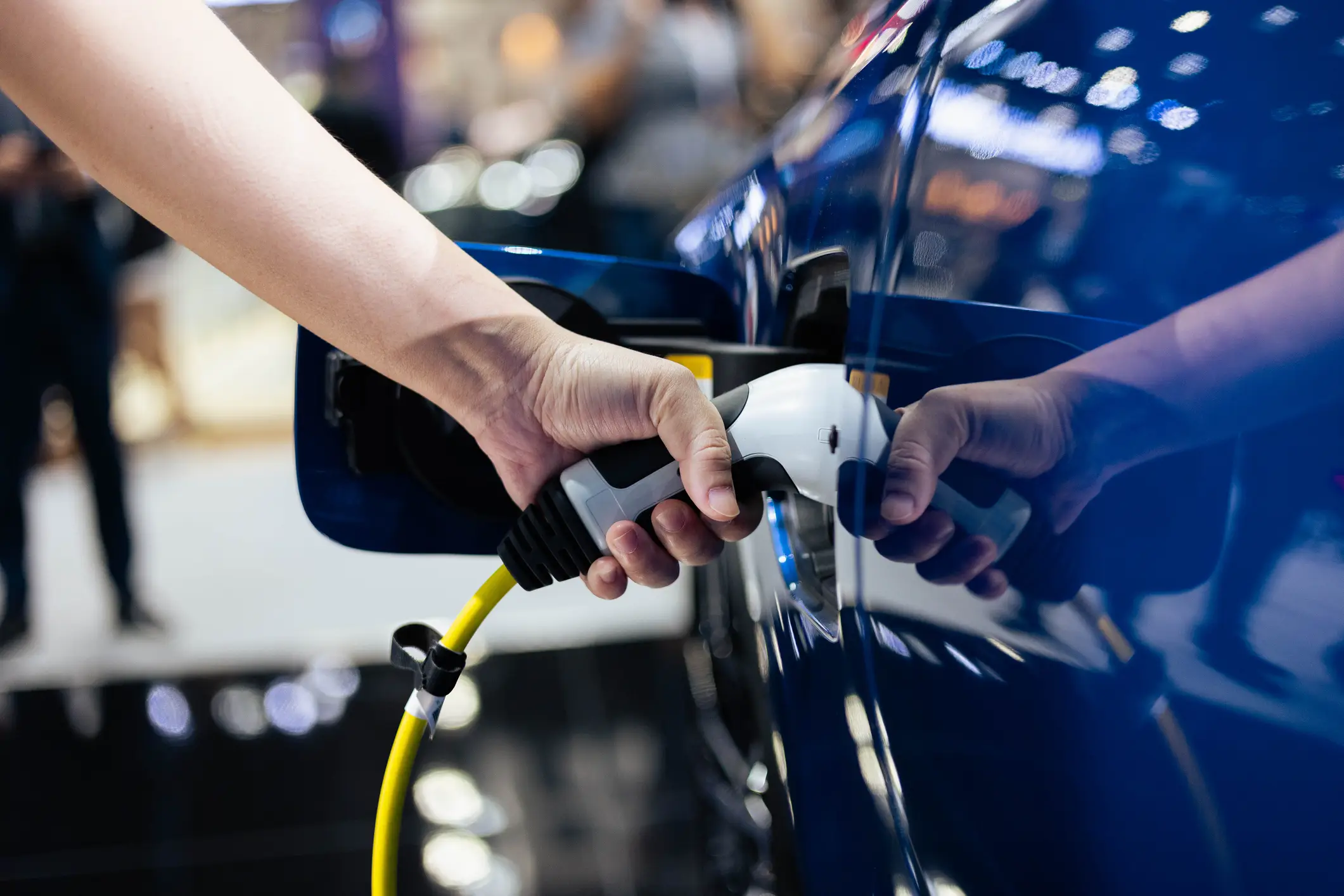
How Japan is pulling 90% of lithium from dead batteries
To put that figure in context, conventional recycling tends to salvage less than half of the lithium in a spent battery. So, reaching 90 percent nearly doubles what comes back out. And the process comes down to a simple substitution.
Rather than leaning on standard sodium hydroxide, the team fed recovered lithium hydroxide (a fine white powder) back into the process. As a result, the switch turned the sludgy battery waste known as 'black mass' into high-purity lithium clean enough to go straight into new battery cells.
Moreover, the researchers estimate it can cut carbon emissions by around 40 percent.
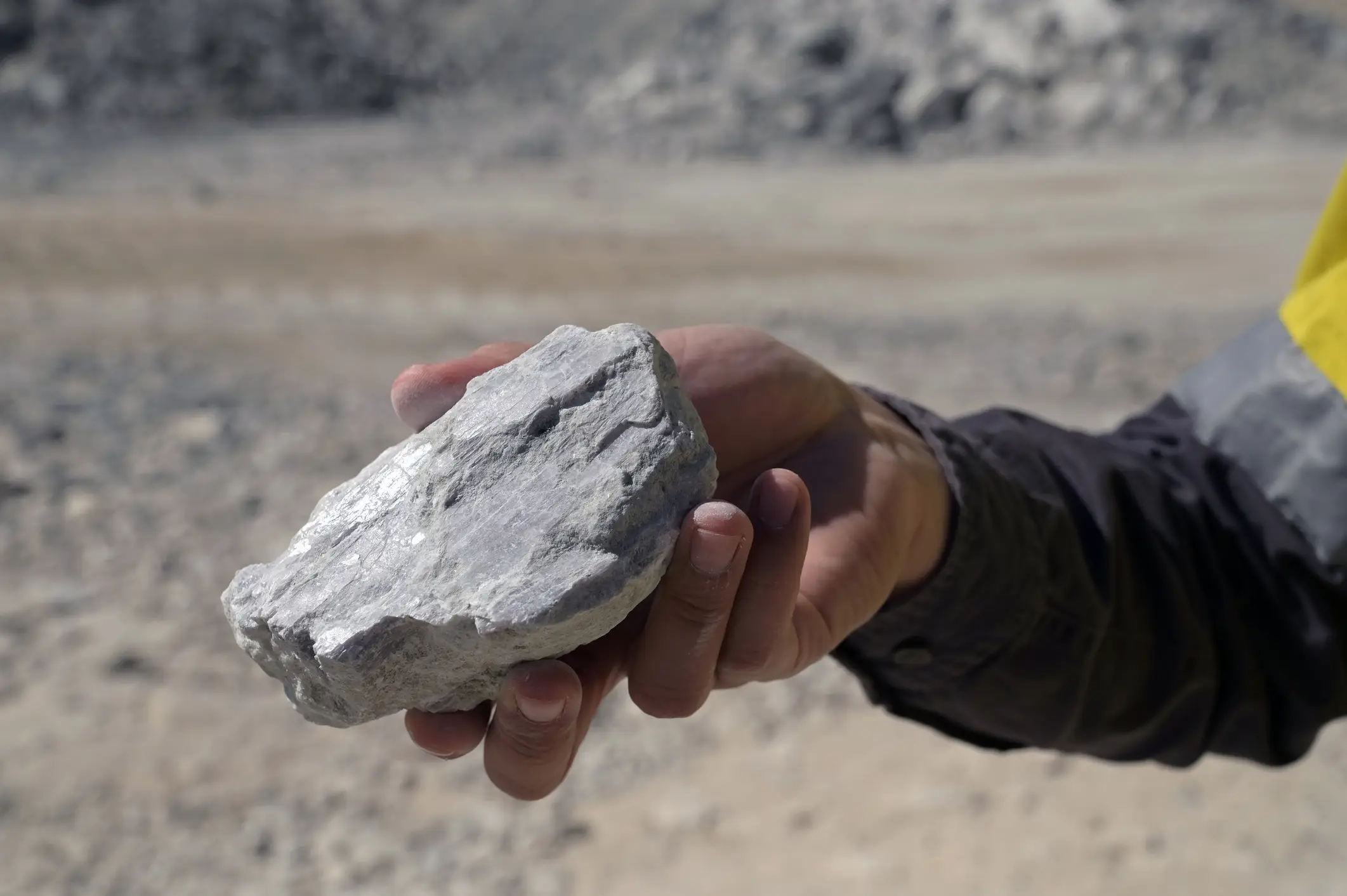
Why it matters for the future of EVs
Lithium is a key ingredient in any EV battery, as well as our laptops and smartphones. However, mining more is costly, energy-intensive, and frequently entangled in geopolitics, which makes domestic supply from batteries already in the country enormously appealing.
For Japan, the stakes are quite high, since it imports almost all of its battery minerals. Recovering lithium at home on this scale would loosen that dependence and steady supply chains that are currently at the mercy of others.
That said, only about 14 percent of Japan's used lithium-ion batteries enter official recycling channels, so the collection network would need a major overhaul before any of this reaches its potential.
The ambition is there, at least. The team wants to ramp up production further by 2027 and to be pulling tens of thousands of tonnes of material from old batteries every year by 2035, which could put Japan completely ahead in the global race.