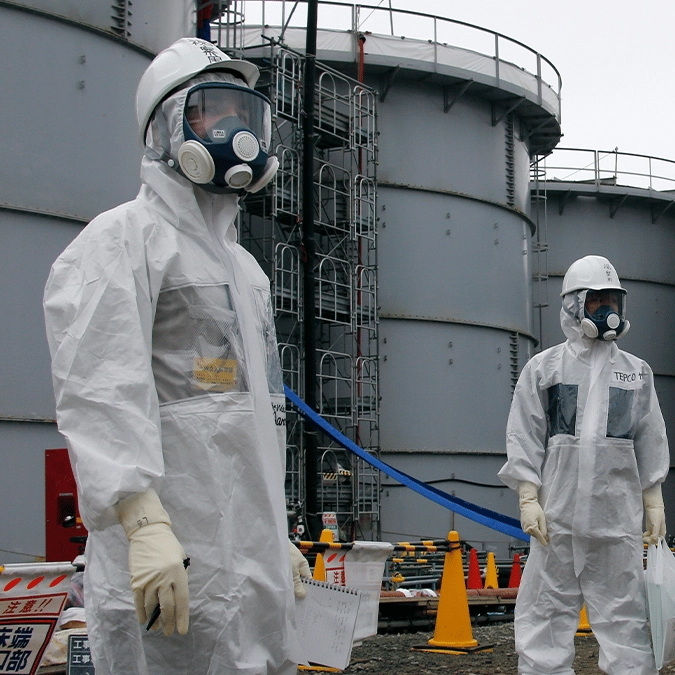
Japan wakes up world's biggest nuclear plant 15 years after Fukushima disaster


Just under 15 years after the catastrophic nuclear accident at the Fukushima Daiichi Nuclear Power Plant, Japan has officially restarted a reactor at the world's largest nuclear plant.
While many argue for the benefits that nuclear power can provide amid a rapidly growing climate crisis, the dangers that it poses are evident across a number of notably horrific incidents over the years.
Disasters in Kyshtym and Chernobyl have displayed the dangerous potential that a nuclear accident can cause, and few have been quite as devastating as the incident that occurred in Fukushima back in 2011.
Triggered by the Tōhoku earthquake and tsunami, three of the active reactors at the Japanese power plant were flooded and damaged, and the loss of backup power prompted the plant to overheat and meltdown.
Advert
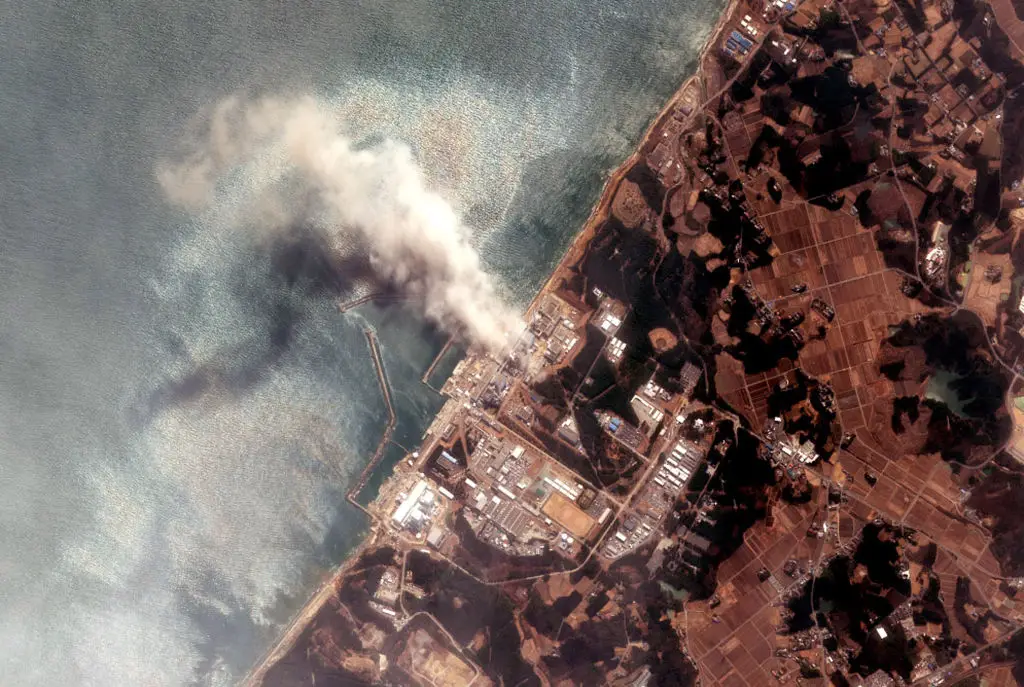
It was rated as a seven, the maximum, on the International Nuclear Event Scale (INES) joining Chernobyl as the highest measured in history, and the event prompted the Japanese government to shut down all other reactors despite the nation being one of the world's biggest adopters of nuclear power.
While thankfully there appears to have been no significant adverse effect on the health of nearby residents in Fukushima compared to something like Chernobyl which remains mostly off limits, the impact on Japan was significant as the nation was forced to import most of its energy in the years since.
However, as reported by the BBC, that now looks to be changing as the government has made a monumental decision to restart one of the reactors at the world's largest nuclear facility in a move that could welcome back the greener energy source.
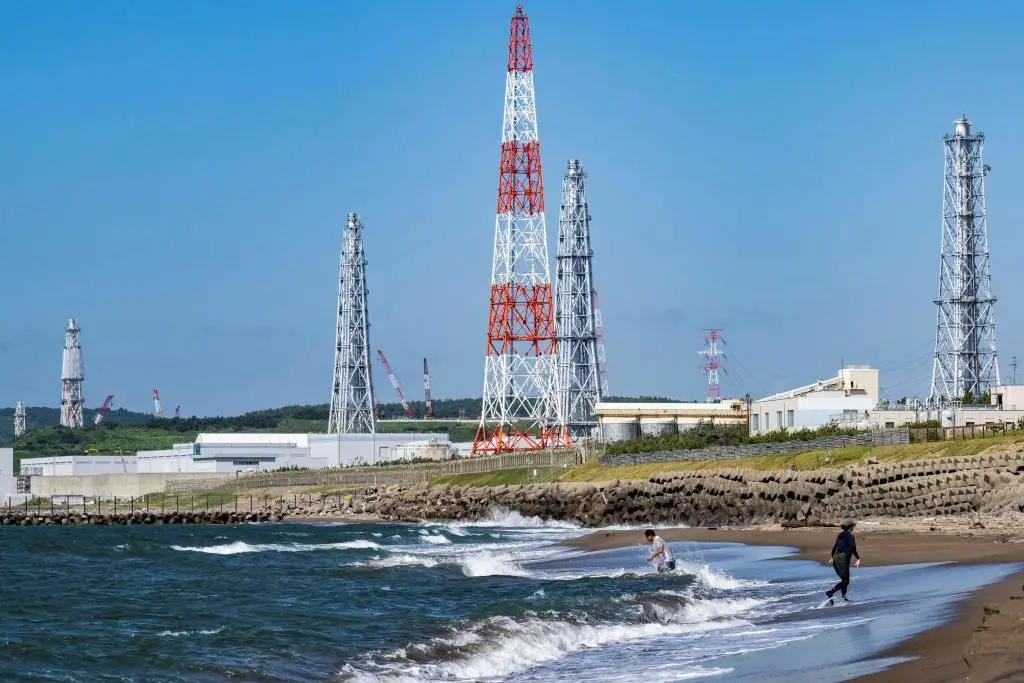
Kashiwazaki-Kariwa power plant, located northwest of Tokyo, is home to the revival of nuclear power in Japan as its sixth reactor has now been officially restarted, albeit it was delayed for a day due to issues with the alarm system.
It's estimated that it won't be until around 2030 for the next reactor to be 'woken up', and plans appear to suggest that the first five at the massive power plant could be officially decommissioned.
Japan, much like China, is attempting to reach a net zero emissions target, and sees the return of nuclear energy as the primary way to achieve this despite understandable anxiety towards the controversial power source.
The nation has announced that it wants 20% of its electricity to be provided by nuclear power plants by 2040, mirroring plans to have 50% by 2030 before the Fukushima disaster, but that might not be as easy as it once seemed.
Costs have significantly increased, primarily due to the increased safety checks that are understandably required to restart reactors at a plant, and the rising cost of living for many households in Japan could leave the government in a tricky situation.
There is also a sense of public distrust towards nuclear power, which you could argue is perhaps justified after the Fukushima disaster, and while the benefits of the energy source are clear, many citizens won't want to open themselves up to the risk once again.