How to claim a tariff refund online as Trump admin announces $81B more in reimbursements


U.S. President Donald Trump's highly controversial tariff policy has backfired after the Supreme Court overturned this economic strategy, forcing the government to issue reimbursements to those who paid fees while it was active.
It was something that impacted most people across the United States, with businesses seeing imports skyrocket in cost and customers forced to face significantly higher price tags as the bill was passed down to them.
The latter was a particular pain point for many as they often had no way of fighting against the charges and many of the increased price tags have been retained despite the political policy being shut down.
With reimbursements on their way and a second round paying out upwards of $81 billion in refunds, many have been looking to see how they can claim back what they believe they were overcharged across the last year — but it's unfortunately not as simple as that and most will have to prepare for disappointment.
Who can claim a tariff refund from the Trump administration?
The only individuals or businesses that can legally claim for tariff reimbursement are those who directly paid fees on imported goods under the International Emergency Economic Powers Act (IEEPA), and not through Sections 122 and 301 of the Trade Act, or Section 232 of the Trade Expansion Act, as per Forbes.
Advert
This not only cuts out business who might think they can claim for more than they're eligible, but it also completely disqualifies consumers who were forced to pay more for goods that were more expensive as a result of tariffs, meaning that many businesses have now simply made money on goods sold with tariff increases.
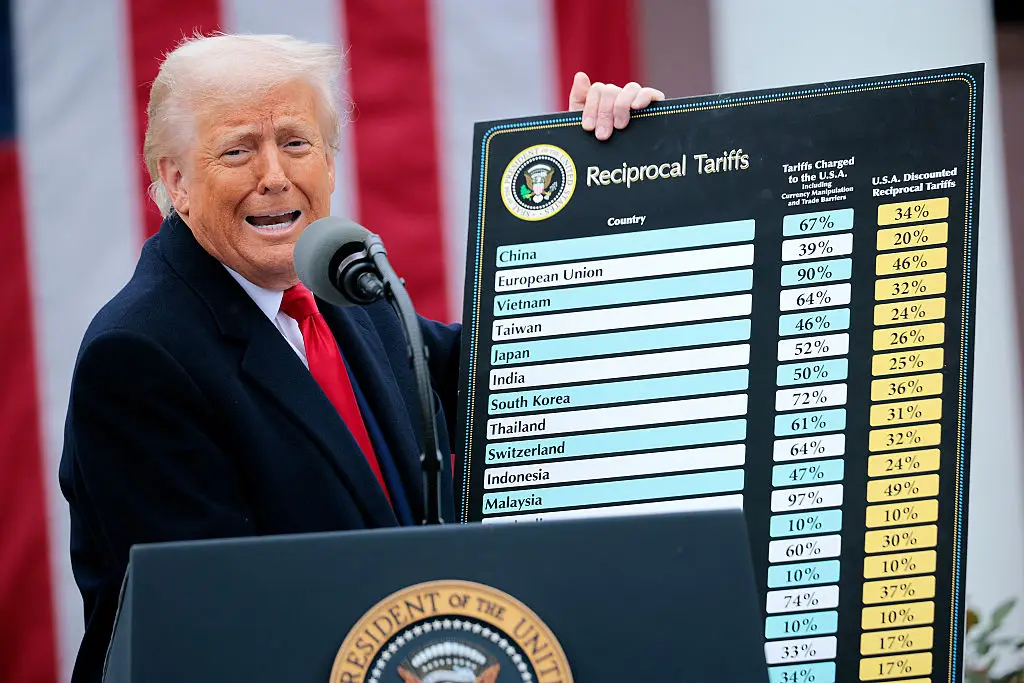
Additionally, anyone who used a customs broker to process imported goods and pay tariffs can also apply for a refund through the broker, who will handle the process on your behalf.
How to claim a tariff refund if you're eligible
Anyone that is deemed to be eligible for a tariff refund will need to set up an account through the U.S. Customs and Border Protection's Automated Commercial Environment portal.
You'll then need to process a CAPE Declaration where you list all of the items you believe you're entitled for money back on, with up to 9,999 entries possible.
Refunds will then be issued within 60 to 90 days after the CAPE Declaration is accepted, although this can be extended if there are issues that emerge from your application.
Nintendo sued for tariff-related price increases
While Nintendo is among the more than 1,000 companies currently suing the government for Trump's allegedly illegal implementation of the tariff policy, two gamers have decided to take action against the publisher to get what they believe to be their fair share of the money back.
As reported by Game File, Gregory Hoffert and Prashant Sharan have launched a class action lawsuit that would impact anyone who had to pay more for Nintendo items because of tariffs, which explicitly included accessories like the Nintendo Switch Pro Controller, Camera, Dock, Carrying Case, Charging Grip, Wheel Set, Joy-Cons, and AC Adapter.
The lawsuit argues that any successful refund that Nintendo receives from the U.S. government should be passed down onto players who were forced to pay the difference, with the filing pointing out that Nintendo would stand "to recover the same tariff payments twice — once from consumers through higher prices and again from the federal government through tariff refunds, including interest paid by the government on those funds."
If successful, this could open up the opportunity for more class action lawsuits against companies receiving tariff refunds, which could shift the balance in favor of consumers significantly when it comes to prospective reimbursement.