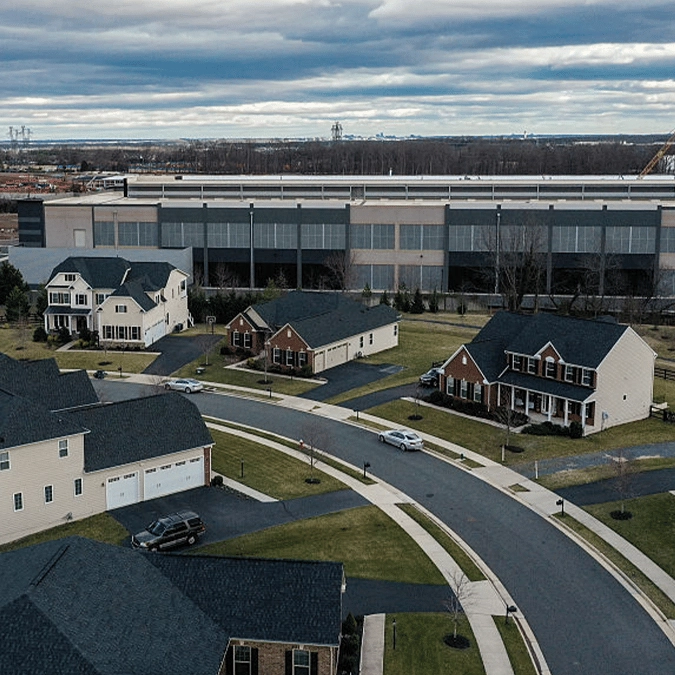
Why a nearby data center could majorly impact your home's worth


The rapid construction of data centers all across the United States is a vital tool in the expansion of AI, yet little attention is paid to how these often large, energy demanding buildings can impact the value of houses in the surrounding area.
Local residents often don't have a say in whether an AI data center is built by their house or not, and many people who owned their homes for decades have experienced a significant downgrade in their quality of life following the construction.
What new studies have discovered, however, is that the impact of data centers on house market values isn't actually as large as people might think — with the opposite perhaps even being true despite horror stories from homeowners currently dealing with the worst conditions.
As reported by Newsweek, analysis from researchers at George Mason University's Center for Regional Analysis have looked specifically in the evolution of house prices across Northern Virginia, which is often referred to as 'Data Center Valley' due to the extremely high concentration of facilities found in counties like Loudoun and Fairfax.
Advert
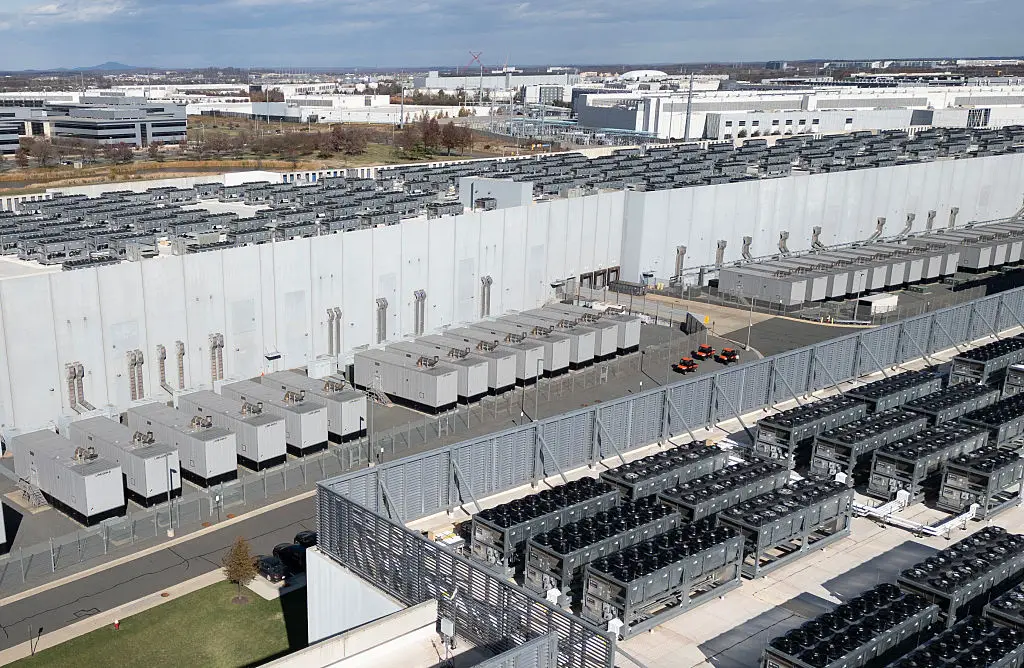
Evidence emerging from BrightMLS house sales in locations nearby a data center actually indicated that valuations were higher on average, with no evidence obtained that suggested a downward trending price as a consequence of the data centers.
This is different to the financial incentive you'd receive for letting Nvidia build a mini data center in your back garden, although that might be far more attractive to homeowners across the country and have a significantly lower impact on your daily life.
Additionally, the price of homes actually declined in value the further away you got from data centers, suggesting that the infrastructure associated with their construction could be appealing to prospective buyers.
This includes things like tax incentives, greater power reach, fiber connections, and improved travel links — which all appear to compensate for many of the negatively associated traits of these AI power hubs.
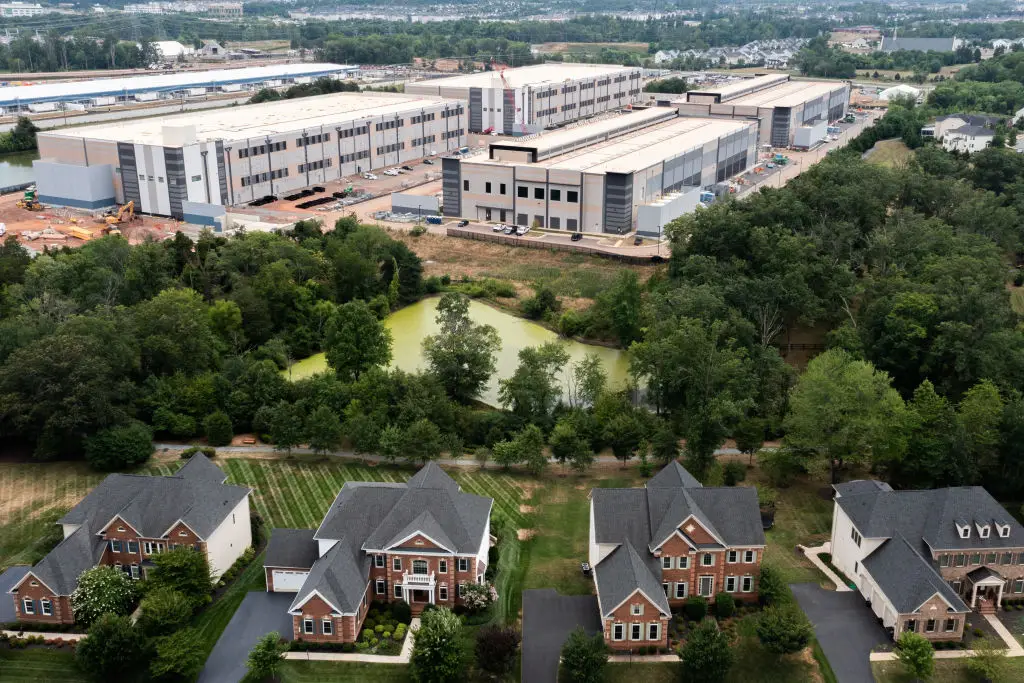
Addressing the unexpected trend in a statement to Newsweek, real-estate broker Erik Leland outlined that "data centers go where the infrastructure exists," adding that "the data centers did not create the desirability. They locate where it already exists."
So it's less about the data centers themselves and more about the fact that the land they often choose is already appealing to buyers — although that does also imply that their downward impact on that desirability is perhaps overplayed.
Some have argued that the effects of data centers won't be seen for at least another few years though, especially in areas where plans are only in the construction stage and aren't fully realized.
It's widely accepted that the power demands of these large data centers often increases the money you spend on your energy bill statewide, and those living in the immediate proximity could face significant disruption through noise and light pollution.