Expert warns Nvidia’s plan to pay your electric bills comes with a 'silent' health risk


A health expert has shared an urgent warning about Nvidia’s plan which will cover the cost of people’s electric bills.
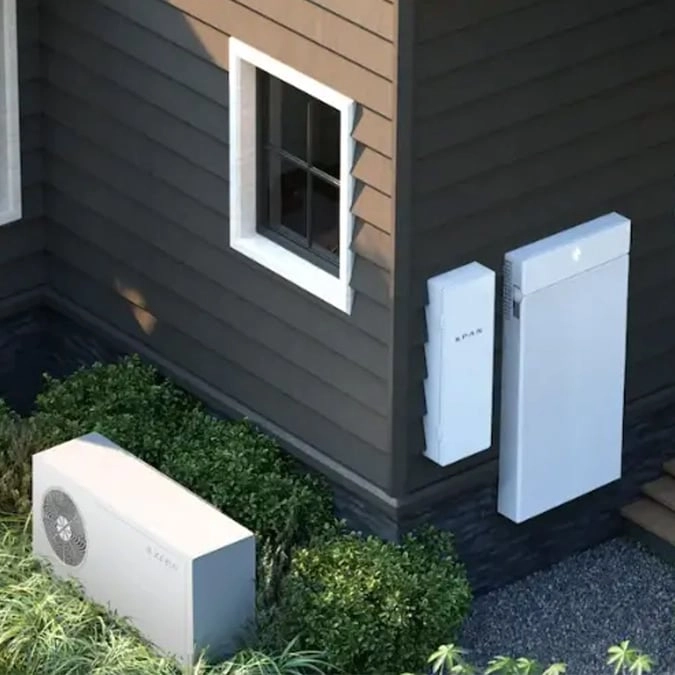
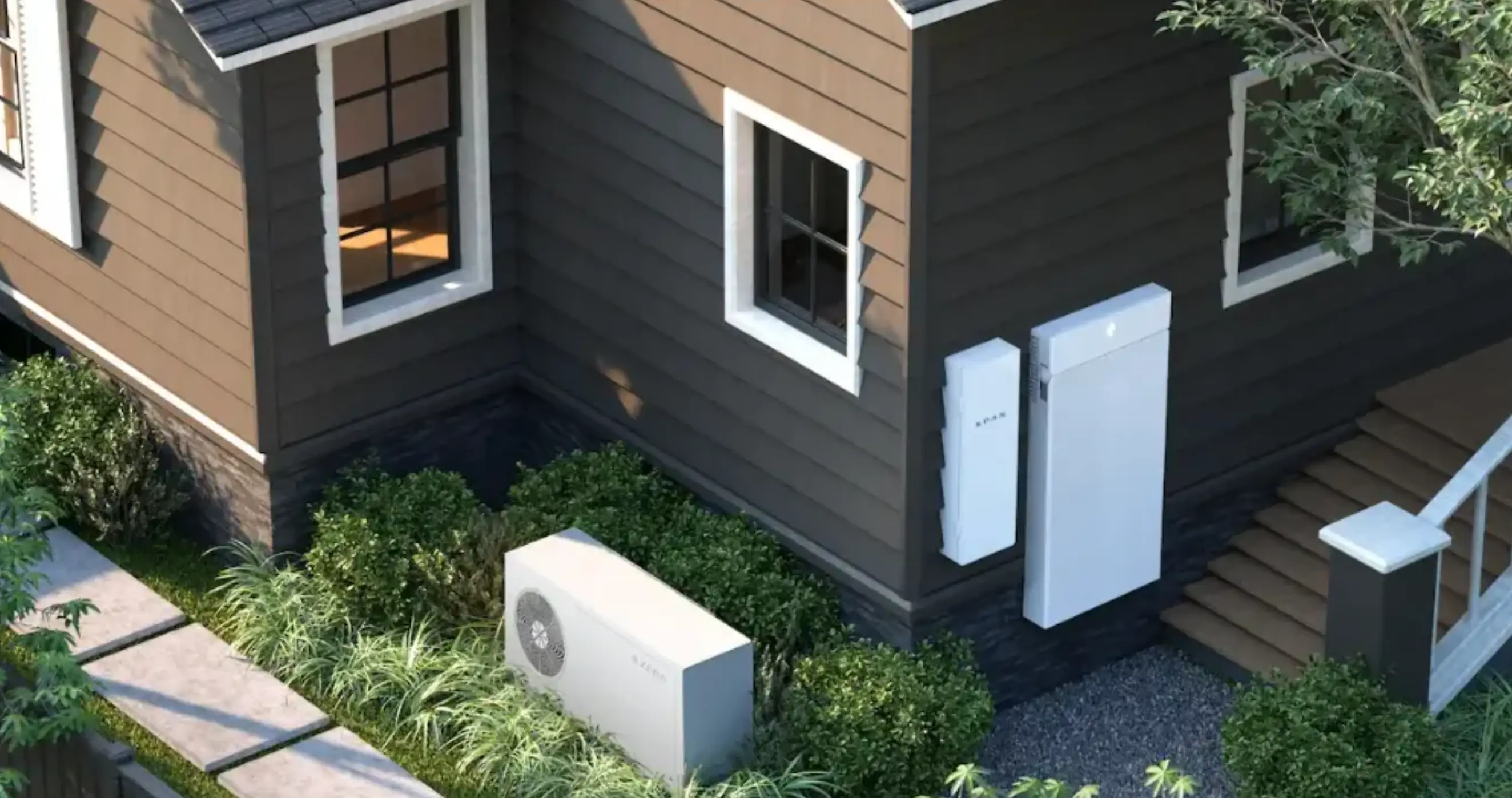
It was reported by Ars Technica that Nvidia partnered up with startup SPAN to create a ‘distributed data center solution’ that potentially finds itself in the backyards of homes in your very neighborhood.
These mini AI data centers will be positioned just feet away from your bed and in return, SPAN has stated that the firm will pay the entirety of the electricity and internet costs incurred by participating households each month.
The startup has also claimed that the mini data center won’t impact your day-to-day life by syphoning any electricity that you need for your actual appliances, as it will only take advantage of excess power from the grid that you wouldn’t be using anyway.
AI data centers are set to be placed in residential neighborhoods
However, this has sparked other concerns including the fear that AI data centers being so close to our homes could pose some serious health risks.
Advert

Speaking exclusively to UNILAD Tech, Superintendent Pharmacist Ana Carolina Goncalves from Pharmica, has shared her thoughts on how these centers might impact us.
According to the expert, these mini centers could result in a disruption to our sleep with the potential of continuous mechanical noise being able to reach us.
Goncalves explained: “The World Health Organisation recommends that indoor bedroom noise at night remain around 30 decibels or lower (roughly the level of a quiet whisper). However, the clinical question is not simply how loud the unit is at source, but what sound level actually reaches the bedroom overnight.
“That depends on placement, the distance between the unit and sleeping areas, the existing background noise in the area, and whether the sound is a low-frequency or tonal hum that travels through walls more easily than ordinary noise.”
She added: “Published research has linked chronic night-time noise exposure to poorer sleep quality, reduced restorative sleep, increased physiological stress responses and, over time, higher blood pressure.”
Do AI data centers have a physical impact on our health?
Meanwhile, Manu Sehgal, MD, who is a senior medical contributor at Medical Tourism Corporation, said: “One area of concern is ambient stressors.
Although the data center's equipment may be engineered to minimize sound, residents may still perceive a psychological awareness that there is high-intensity computer equipment running continuously 24 hours/day within feet of where they reside. Environmental threats can cause chronic stress, disrupt sleep patterns, and reduce overall well-being, especially among older adults and those who experience anxiety.”
Goncalves also shared concerns about the positioning of these data centers possibly impacting the way people react to their medication as a ‘surprisingly long list of common medicines’ can affect the body’s ability to regulate its own temperature.
She went on to say: “People taking these medicines may be more vulnerable if their indoor environment becomes persistently warmer, particularly during hot weather. The same applies to older adults, young children, pregnant women and people with cardiovascular or respiratory conditions.
“As before, this risk depends on whether the installation actually changes the indoor temperature or the sleeping environment in the first place. If it does, vulnerable people may notice the negative effects on their health sooner than healthy adults.”
Of course, a warmer and drier indoor environment can lead to issues with skin hydration, and a warm data center could also aggravate such conditions too.