
The massive catch hidden in Nvidia's plan to pay your electric bill


Nvidia's plan to pay household electric bills in exchange for hosting a mini AI data centre has a catch, even if the offer sounds like an easy win for anyone tired of rising monthly costs.
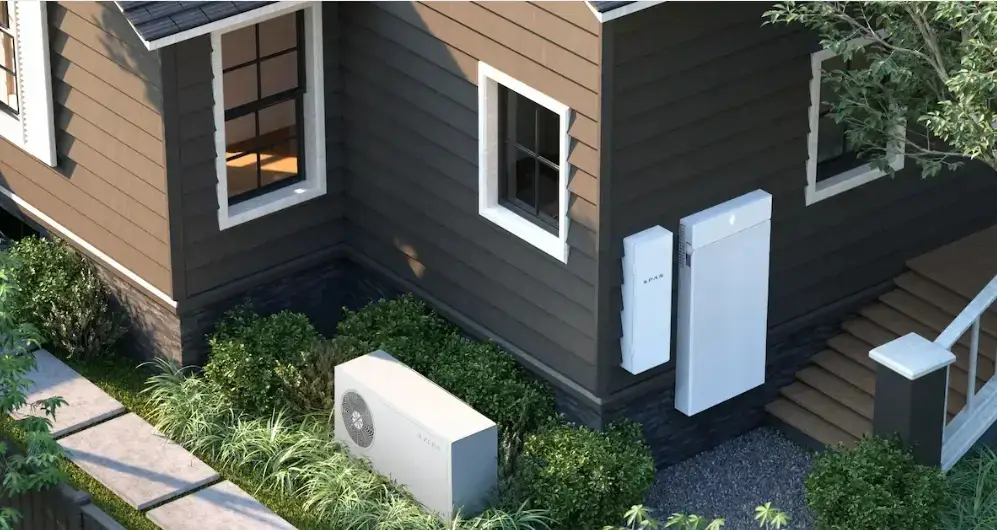
The idea comes through XFRA, a new distributed AI data centre project from Nvidia and San Francisco startup SPAN, which aims to place compute nodes in residential and small commercial spaces instead of relying only on huge purpose-built sites.
With demand for AI, cloud tools, streaming, and gaming infrastructure continuing to surge, the pitch is general idea is to utilise homes as part of a wider compute network. As a network, Nvidia will cover the extra electricity and internet costs and avoid some of the land and water issues that have made giant data centres so controversial.
That said, the logistical reality is far less simple.
Advert

16 enterprise processors running 24/7
The catch in question is that each XFRA box is not just a harmless little gadget in the garden. Each unit reportedly packs 16 liquid-cooled Nvidia RTX Pro 6000 Blackwell GPUs, meaning it contains a humungous amount of computing power — generating serious heat and electronic noise right outside a home.
What is XFRA?
As explained by the SPAN team itself, it claims the project can ‘deliver gigawatts of new compute capacity amidst today's growing power infrastructure complaints’ by operating a ‘distributed network of compute nodes located in residential and small commercial spaces.’
The company has also described the setup as a ‘quiet’ and ‘discreet’ alternative to traditional data centres, which have faced criticism from nearby residents over noise, land use, water consumption and pressure on local infrastructure.
Why the word ‘mini’ is doing heavy lifting
However, the word ‘mini’ is actually doing a lot of heavy lifting when describing the centre.
While an XFRA unit would be far smaller than a full-scale AI data centre, the hardware inside is still designed to run demanding compute workloads. That means cooling, maintenance access, internet connectivity, and constant power management all become part of the homeowner equation — all bringing potential noise pollution in exchange for your proposed savings.
Will Nvidia really pay your bills?
According to the original proposal, participating households could have the electricity and internet costs caused by the system covered each month.
The rumored $150 flat utility fee
Realtor.com has also reported internal discussions around a possible flat utility fee of about $150, although that figure remains unconfirmed and could change before any wider rollout.
SPAN says the nodes would use excess power capacity and would not take electricity away from appliances that residents actually need.
The wider promise is that distributed compute could ease pressure on large data centre construction while providing extra capacity for cloud services, streaming platforms and gaming tools.
Still, XFRA is not expected to replace major AI data centres, which remain essential for training the largest models.