
You could soon need an age check just to use your laptop


Age verification laws are just about to get even more strict, as a new rule could see you blocked from using your laptop or computer if you're not above the required age threshold.
New rules aimed at enhancing child safety on the internet have been rolling out across the world in the last few years following support from major political leaders, with blocks initially targeting pornographic websites now extending far beyond that.
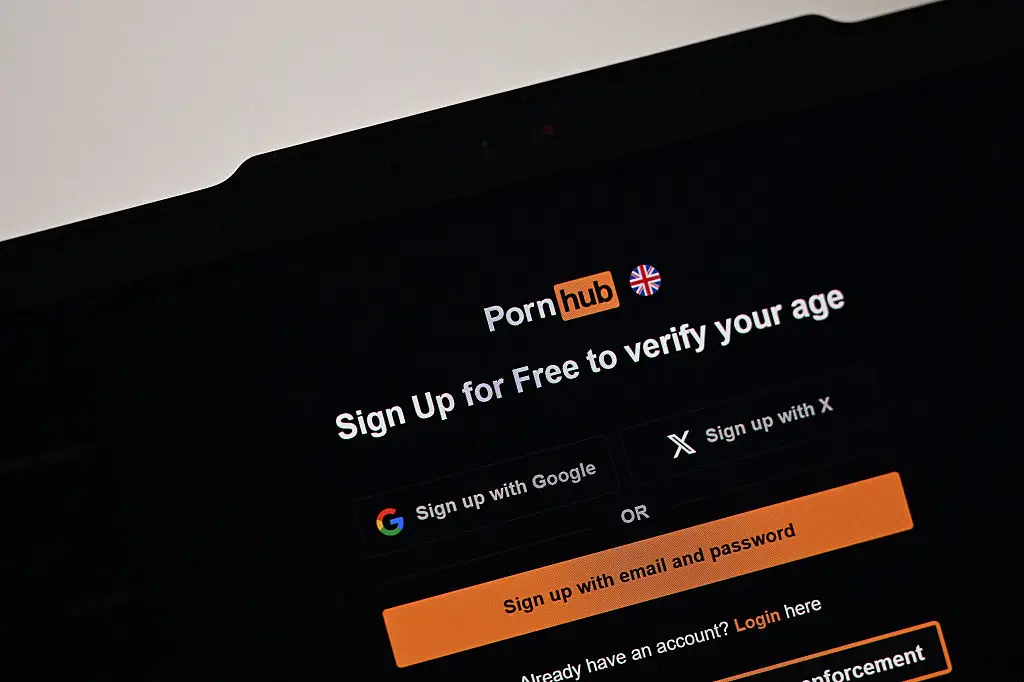
These see major platforms like Pornhub blocked completely in some of the biggest countries and states, and areas like Australia have even gone as far to implement a complete social media ban for anyone under the age of 16.
Regulation set to come into place at the start of next year, however, takes those age-based requirements even further by extending them to your device's operating system, potentially locking you out of your own laptop or PC in the future.
Advert
As reported by PCMag, California's new Digital Age Assurance Act is set to take effect on January 1, 2027, requiring users in the Golden State to enter their date of birth when first accessing any associated device.
The filing for the bill indicates that it splits users into several 'age brackets' that would seemingly define the type of content they're exposed to at device level, with the sections defined as follows:
- Under 13 years of age
- At least 13 years of age and under 16 years of age
- At least 16 years of age and under 18 years of age
- At least 18 years of age
While this might seem extreme, this appears to be in line with the type of device-level restrictions that websites like Pornhub have been advocating for, and could hypothetically replace individual age gates on websites or pieces of software going forward as your age has already been verified.

That likely won't be the case when the bill is enacted, however, as there are no official means of verification and users can enter any date of birth they want in order to complete the process.
It's likely that this changes in the future though, with systems requiring government mandated identification, credit cards, or even biometric verification like Sam Altman's new project 'World' required to authenticate your age.
The rules themselves will apply to Microsoft's Windows, Apple's macOS, Android, Linux, and Google's ChromeOS within California, but there's also the chance that the companies behind these products will extend the verification process beyond the western state as a means of convenience, despite laws not requiring such right now.