
Nvidia wants to pay your monthly electric bill in exchange for hosting a mini AI data center


While many people have seen the value of their homes tank and their overall quality of life decrease as a consequence of living nearby a data center, a new program set up by Nvidia could actually lessen your financial burden if you host an AI hub in your back garden.
There's no denying that the demand for AI has increased exponentially in the past few years, and only looks to continue its rapid growth as the technology improves at an equally fast rate.
Supporting that demand requires a whole lot of supply, however, and many of the biggest tech companies are finding that the existing data centers aren't quite cutting it — even if they're being built at record speeds.
While Meta has outlined plans for 'mammoth' data centers that are large enough to cover the entirety of Manhattan, one of the biggest players in the AI space has a slightly different idea that could even help you out with your bills.
Advert
As reported by Ars Technica, Nvidia has partnered up with San Francisco startup SPAN to created a 'distributed data center solution' that potentially finds itself in the backyards of homes in your very neighborhood.
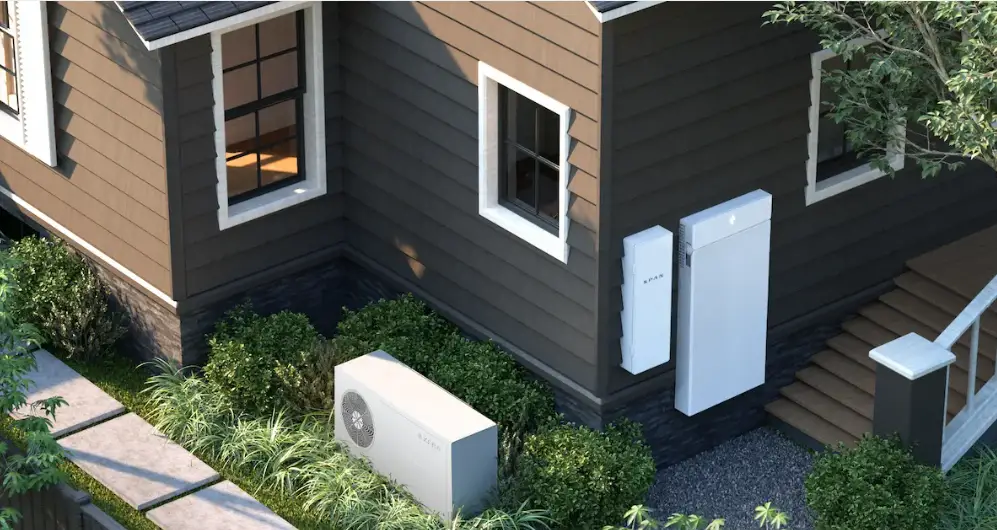
Named 'XFRA', this project is claims to be able to "deliver gigawatts of new compute capacity amidst today's growing power infrastructure complaints" by operating a "distributed network of compute nodes located in residential and small commercial spaces."
These XFRA nodes take advantage of a liquid-cooled Nvidia RTX Pro 6000 Blackwell Server Edition GPU to use excess power capacity in your home, offering in their eyes a 'quiet' and 'discreet' alternative to the much-maligned data centers popping up across the country.
In an ideal world it directly solves some of the more pressing issues associated with AI data centers, including excessive water usage and the degradation of large land areas, and could also take advantage of areas that otherwise would prove impossible to build such infrastructure within.

There, of course, has to be a benefit for the homeowners to want to sign up to a scheme like this — and SPAN claims that they'll pay the entirety of the electricity and internet costs incurred by participating households each month, which could save you a lot of money.
As per Realtor.com, there are also reports of internal discussions floating the idea of a flat utility fee, which could be around $150, but this remains unconfirmed and could equally be scrapped from the agreement once it goes live.
SPAN also claims that the mini data center won't impact your day-to-day life by syphoning any electricity that you need for your actual appliances, as it will only take advantage of excess power from the grid that you wouldn't be using anyway.
Unfortunately it won't be enough to replace or justify the removal of regular data centers altogether, as they provide a far greater level of compute power to support the training of AI models, but it could prove vital in providing the necessary support for cloud services, content streaming, and even some gaming tools.