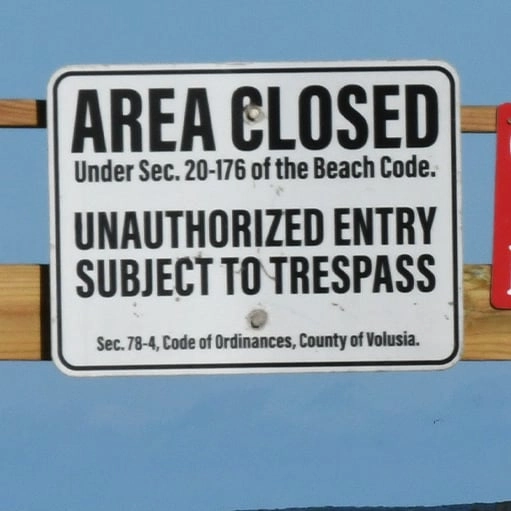
Florida 'earthquake' that rattled coast revealed to actually be a military experiment


An ‘earthquake’ which appeared to occur in Florida that rattled the coast has been revealed to have actually been a man-made military experiment.
The explosion took place yesterday (July 16) off the coast of Ponce Inlet near Daytona Beach, which caused a reading of 3.9 magnitude to appear on the monitoring system of the US Geographical Survey (USGS).
However, while some initially believed this event to have been a natural earthquake, it was soon discovered that it was actually an experimental explosion conducted by the military.
The US Navy was conducting Full Ship Shock Trials (FSST), according to a spokesperson for USGS who spoke to the Daily Mail, which took place near the surface of the water.
Advert
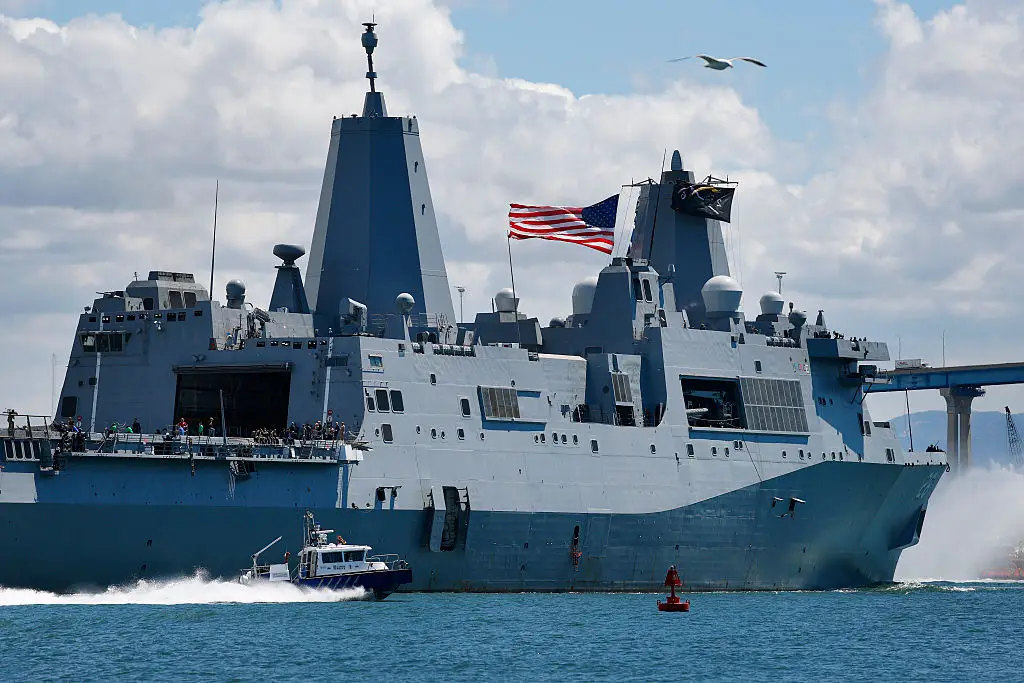
The spokesperson continued: “The recorded ground motions from this event are more typical of an explosion than a naturally occurring earthquake.”
What are Full Ship Shock Trials?
So, what do these types of tests involve? It turns out that FSST includes controlled explosions that take place near a vessel to make sure that it has the ability to withstand combat conditions.
Despite no damage reported in these recent tests, many people have taken to social media to share their concerns about the potential environmental impact such an explosion might have.
On Reddit, one user wrote: “What happens if it fails that shock test? Then they just throw it away?
Another said: “Poor animals in the sea.”
And a third person added: “Exactly. True cruelty for evil.”
Environmental concerns for the future of Earth
As some question how sustainable these tests are for our planet, scientists are also warning the public about the changes ecosystems may face as a result of climate change over the next 70 years.
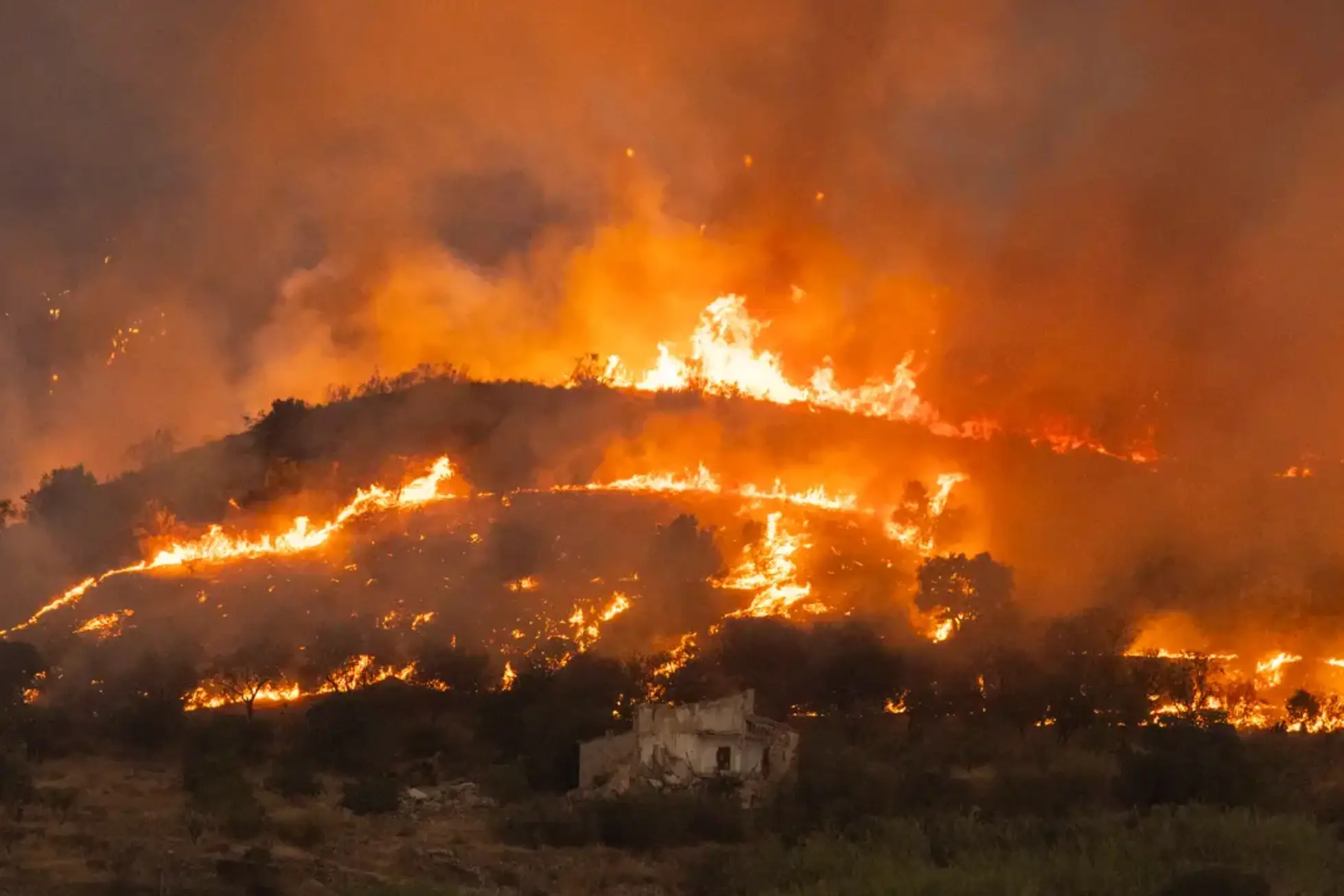
Some of the common themes which emerged from the research included in a paper published in the Australian Journal of Botany involve the likes of ‘increased extreme fire weather’ which has the potential to shorten the intervals between hot fires.
This will then have a knock-on effect on the structure of vegetation and species persistence.
If the future sees a decline in livestock grazing, then this will ‘interact strongly with future fire regimes and will also make lands available where future ecosystems can be deliberately constructed’.
Despite the research being focussed on Australia, scientists have warned that these themes could impact communities around the world unless something is done to drastically halt the effects of climate change.