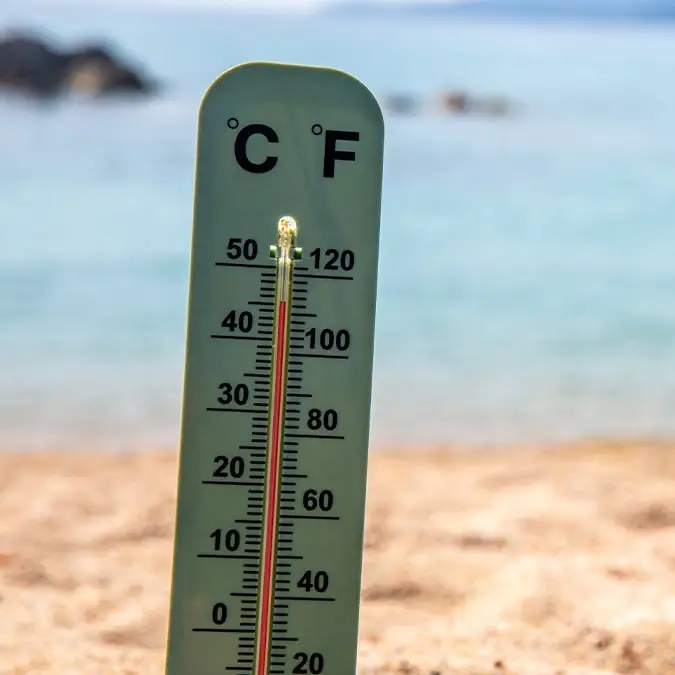
A dangerous new ocean heatwave just completely broke the all-time global records


A dangerous new heatwave located in the ocean has just completely broken the global records in all of recorded history.
This comes as temperatures continued to soar globally, with the past three years being ranked as the top three hottest years on record.
And it doesn’t look like things are cooling off anytime soon, with experts warning that this year and the next could be set to become even more scorching.
However, it isn’t just the heat on the land that we need to worry about, because scientists are now raising the alarm about oceanic heatwaves that could have ripple effects around the world.
Advert
Now, both Copernicus Climate Change Service (C3S) and the Copernicus Marine Service (CMEMS) have released a report which confirms 2024 had the ‘highest ocean warmth for the period’.
Carlo Buontempo, who is the Copernicus Climate Change Service Director at ECMWF, said: “Current conditions could indicate the beginning of a new phase, leading, once more, to uncharted territory. With ocean temperatures at these levels and El Niño on the horizon, we are likely to see more temperature records fall in the coming months. That Copernicus Marine data reaches the same conclusion through independent methods speaks to the strength of European science - and to why open, robust data matters now more than ever.”
Meanwhile, Pierre-Yves Le Traon, Scientific Director of the Copernicus Marine Service at Mercator Ocean International, added: “Continuous monitoring of the ocean by the Copernicus Marine Service helps public authorities, scientists and decision‑makers understand how the ocean is changing and supports policies to protect the marine environment.
“One of the key strengths of the EU Copernicus programme is the close cooperation between the Copernicus Climate Change Service and the Copernicus Marine Service: C3S provides the broader Earth-system climate perspective while Copernicus Marine delivers detailed ocean analyses and forecasts, from the physical environment to marine ecosystems.”
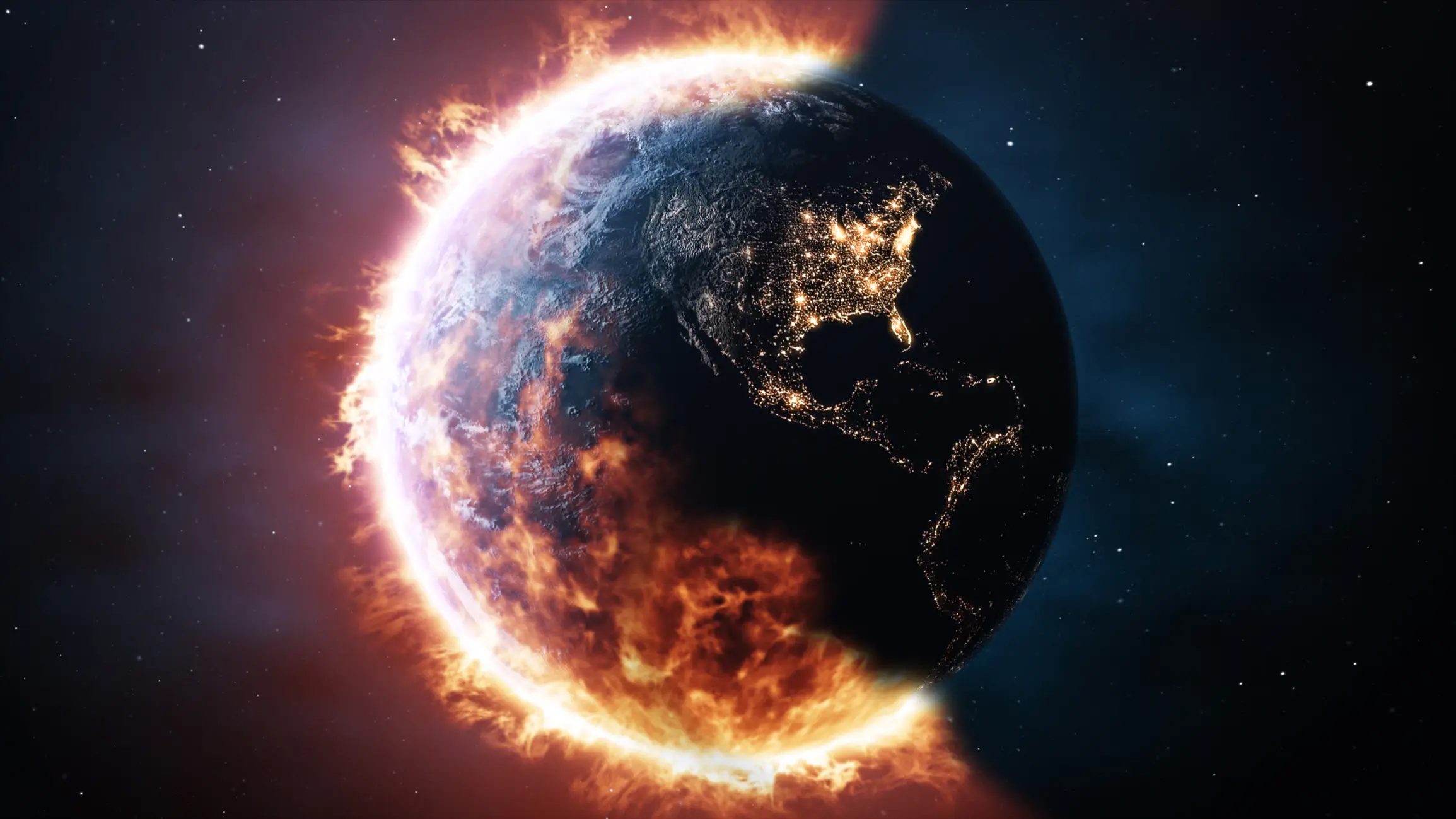
So, what impact does rising ocean temperatures have on the planet? After the onset of an El Niño was declared by the National Oceanic and Atmospheric Administration (NOAA) last month, warming oceans could lead to ice melting, rising sea levels and disruptions to marine ecosystems.
According to the report, ‘higher SSTs (sea surface temperature) are also associated with more frequent and intense marine heatwaves - periods of unusually high ocean temperatures that disrupt ecosystems and fisheries, affect coastal economies, which can also intensify heat extremes over nearby land areas’.
A pending El Niño event could end up making things worse as it may become another source of heat for the atmosphere.