Landmark study of 700,000 families just completely debunked Trump’s Tylenol warning


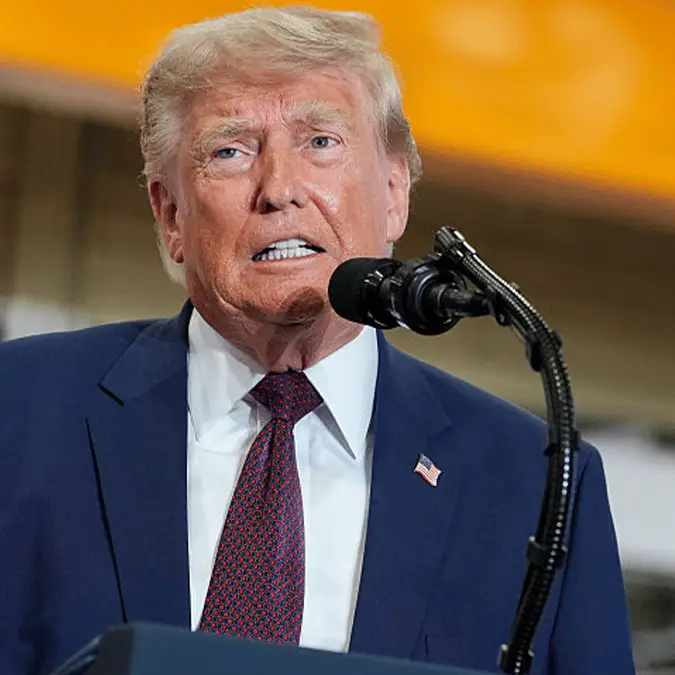
Donald Trump's wild claim linking the consumption of Tylenol – and paracetamol, more broadly – during pregnancy with autism has now been officially debunked by a significant study, with researchers analyzing over 700,000 families.
There was immediate backlash to President Trump's Tylenol claims after he made them alongside Health Secretary Robert F. Kennedy Jr. last year, with scientific experts outlining the harmful nature of the link made by the White House.
Now, following research published in JAMA Internal Medicine, we can concretely say that the connection made between Tylenol and cases of autism has no factual relevance, with a study of over 700,000 families across a 22-year period outlining zero evidence of any link to the condition.
Of those 708,020 mother-child pairs located in Hong Kong for the study, there were 43.3% who had prenatal paracetamol exposure.
Advert
Additionally, the study outlined a sibling-matched cohort of 124,333 children with Autism Spectrum Disorder (ASD) and 97,285 with Attention Deficit Hyperactivity Disorder (ADHD).
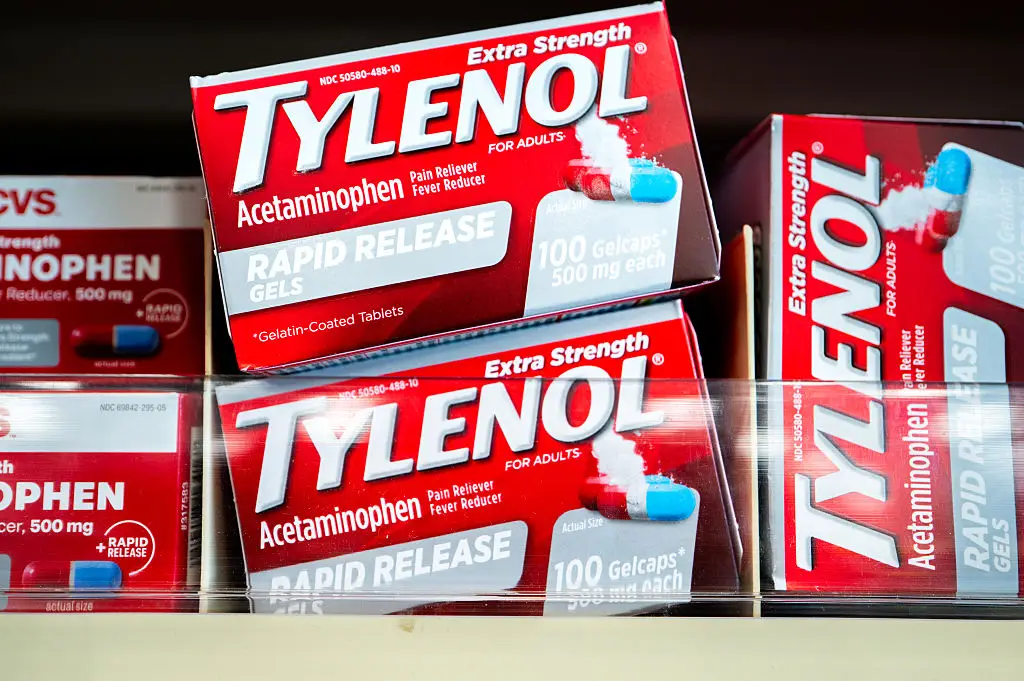
Outlining the results of the study, the experts indicated that "prenatal paracetamol exposure was not associated with an increased risk of either ASD or ADHD, and these findings were consistent across paracetamol exposure timing, pattern, and dose."
In addition, the study concluded that "these findings provide important reassurance regarding the safety of indicated paracetamol use during pregnancy," which was believed to be the case beforehand but has been officially confirmed with overwhelming evidence following the release of this study.
Trump's initial claims outlined that Tylenol 'is no good' and that women should 'fight like hell' to avoid taking it unless extreme circumstances call for it, seemingly citing certain studies which have speculated a link between the medication and autism.
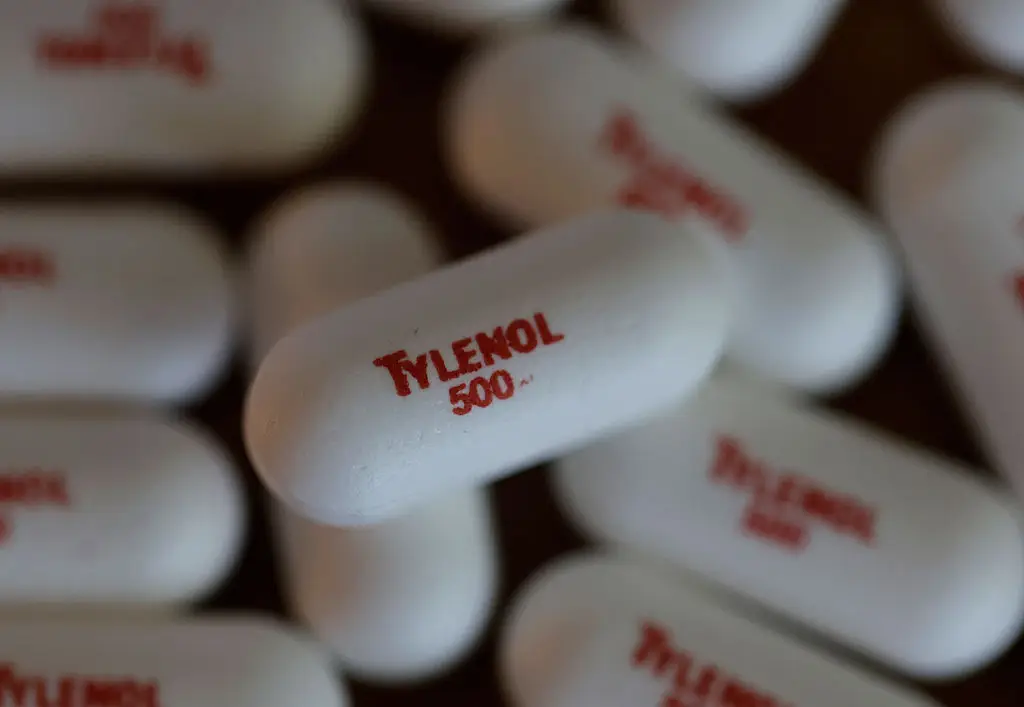
Chief among these, as per the BBC, appears to be a review of research led by the dean of Harvard University's Chan School of Public Health, which pointed towards a study published last August in BMC Environmental Health by Andrea Baccarelli.
Baccarelli claimed that while 13 of the 46 studies analysed showed no associations or even negative protective effects against the development of autism, 27 studies suggested positive associations, with these being viewed as 'higher-quality' comparatively.
Those claims have now been firmly shot down by the newly established research indicating no link between the medication and the neurological condition, although that perspective was echoed heavily at the time by leading figures.
Tylenol manufacturer Kenvue said after Trump's comments in a statement to the BBC that they "strongly disagree with any suggestion [that links Tylenol to autism] and are deeply concerned with the health risk this poses for expecting mothers."