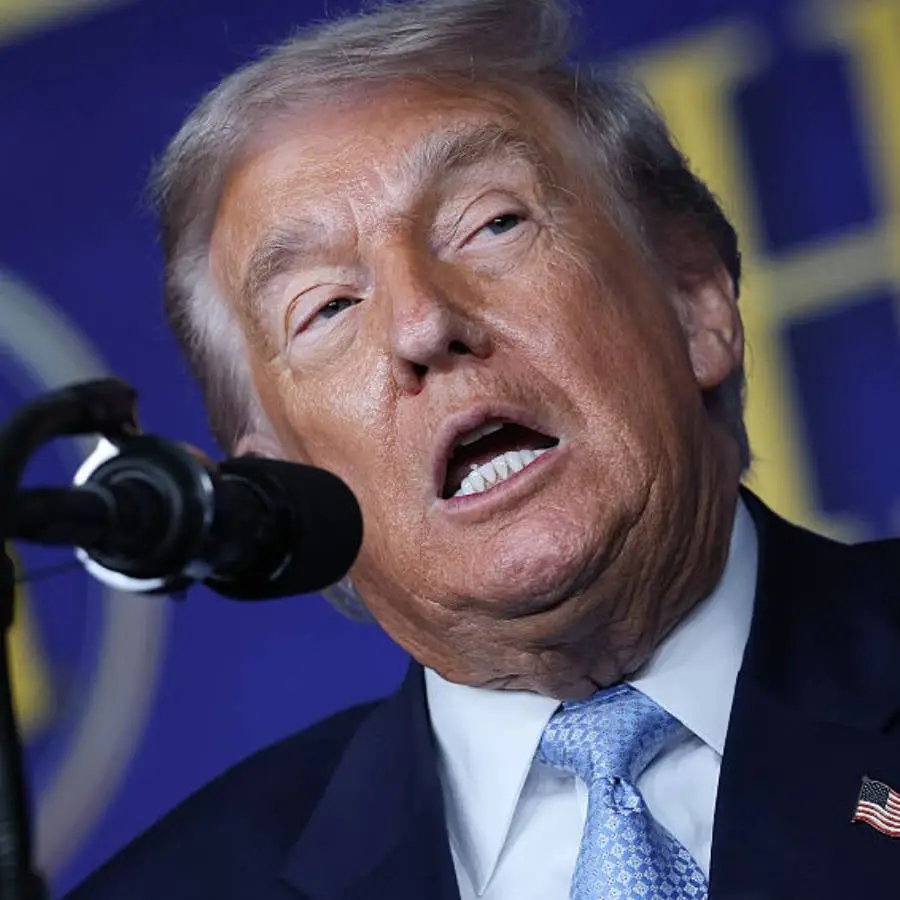
Trump announces huge changes to price of weight loss drugs in historic announcement


The White House has announced historic changes to the price of prescription drugs amid the current GLP-1 boom, with the President of the United States supposedly being a pioneer of the biggest change in 60 years.
It's been hard to escape the popularity of GLP-1 drugs like Ozempic and the increasing number of alternatives.
Even though President Donald Trump maintains he's never taken weight loss drugs, he's regularly discussed 'fat shots' and claimed he should've probably been on them at some point.
As consumers demand more powerful versions, like Retatrutide being dubbed the 'Godzilla' of weight loss drugs, we've also seen Amazon offer same-day Ozempic pills.
Advert
RFK Jr. remains on his mission to 'Make America Health Again', and despite numerous concerns about taking weight loss drugs, the American health industry shows no sign of backing out of the sector.
Trump administration takes credit for cheaper 'fat shots'
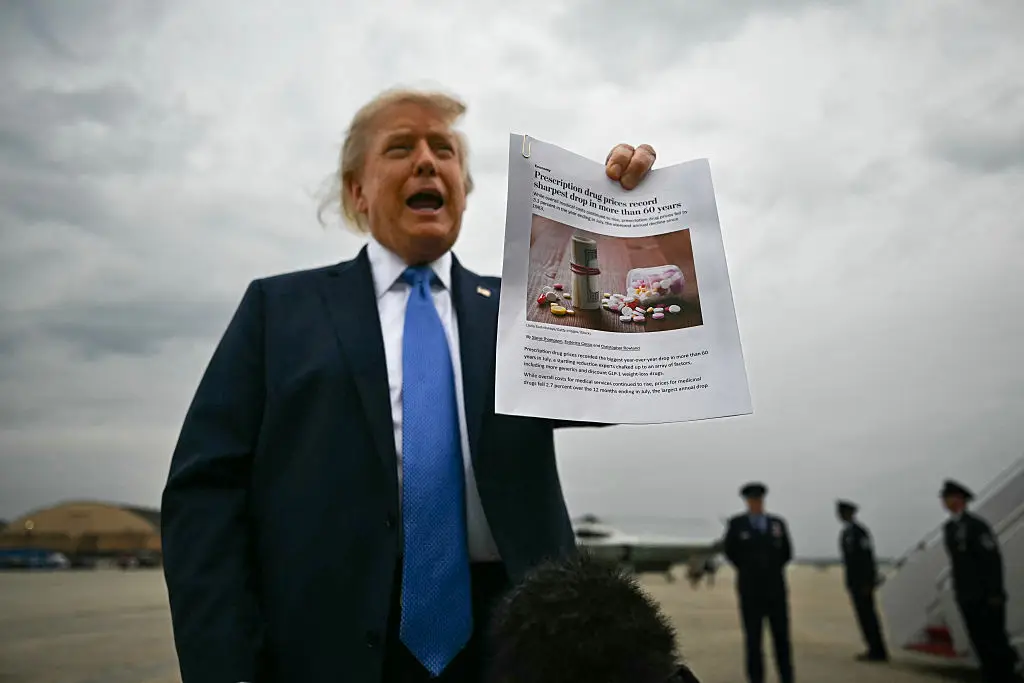
The POTUS previously vowed to slash prices by up to 80%, claiming that Europe was 'unfairly' shifting increased prices onto the American people. A post from the White House maintains that prescription drug prices have hit their lowest since 1963, with the Trump administration’s ‘Most Favored Nation’ policies taking the credit.
The release says that Trump is the first president in US history to actually lower prescription drug prices, with 17 of the world's largest drugmakers (covering 86% of the branded market) having brought US prices in line with the lowest paid by 'comparable developed nations'.
The current administration cheers the fact that this supposedly ends "decades of Americans subsidizing cheaper drugs abroad and forcing fair pricing for patients at home."
According to The Washington Post, the overall cost of medical services has continued to rise, but prices for medicinal drugs have dipped by 2.7% in the 12 months that ended in July 2026.
Prescription drugs that are part of the medicinal drug category recorded a 3.1% drop.
This is undoubtedly good news, as inflation has been 'running high' since COVID-19 and Washington's response, while the recent war with Iran has again increased prices due to energy concerns.
Posting on X, investment research company Renaissance Macro noted prescription drugs are sitting at a seasonally adjusted annual rate of 6.6% and added: "Just what the doctor ordered!"
Have drug prices actually fallen in the USA?
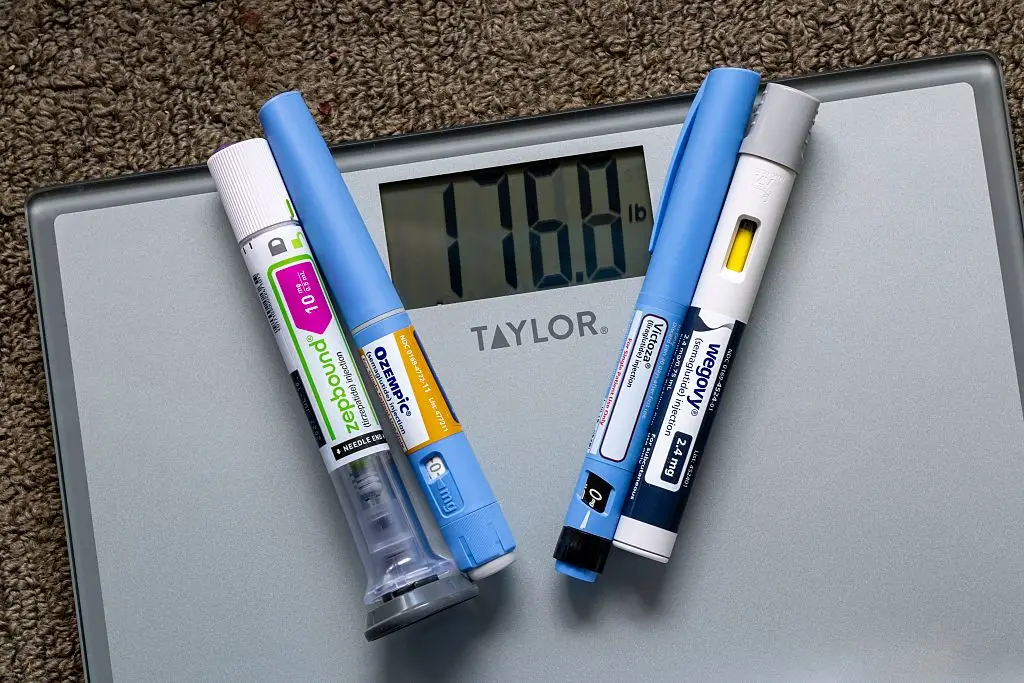
Elsewhere, the direct-to-consumer site known as TrumpRx is being praised for the changes, especially when it comes to GLP-1s. TrumpRx launched in February 2026 and offers the 'fat drug' (Trump's words, not ours) for as low as $150 for a starting dose.
A July 2026 Medicare pilot program saw drugmakers Novo Nordisk and Eli Lilly agreeing to charge the government $245 per month for weight-loss drugs, including Wegovy, Zepbound, and Foundayo.
It comes after charges to insurance companies previously came in at over $1,000.
Whereas the Trump administration is cheering the president for these changes, The Washington Post stated: "Some experts said a Biden-era policy that requires Medicare to negotiate prices for some popular prescription drugs is more likely to be driving down costs."
These include Richard Frank, a senior fellow at the Brookings Institution and a professor emeritus of health economics at Harvard University, who said that Trump's efforts "wouldn’t be where I’d place my money.” Frank added, "If I was a betting guy on what mattered most, it would be probably stuff around the Inflation Reduction Act," under the Biden administration.
Looking further ahead, Stacie Dusetzina, a health policy professor at Vanderbilt University, also applauded the Inflation Reduction Act.
While there's good news for those seeking weight loss, Dusetzina reiterated that only 10 drugs have had their prices negotiated, with them being commonly used ones, "and their prices would likely be reflected in the prescription drug index."
TrumpRx is said to cover “a limited number of branded drugs," as well as the caveat that "aside from GLP1s, they may not be high enough volume to be included.”
Finally, we're reminded that the Bureau of Labor Statistics category for prescription drugs does track what drug companies actually charge. As it merely records what a pharmacy gets when it fills a prescription, a drop in this index doesn't always mean drugmakers have actually cut their prices.
Alongside insurers and Medicare landing better deals, it could also be due to patients switching to cheaper drugs.