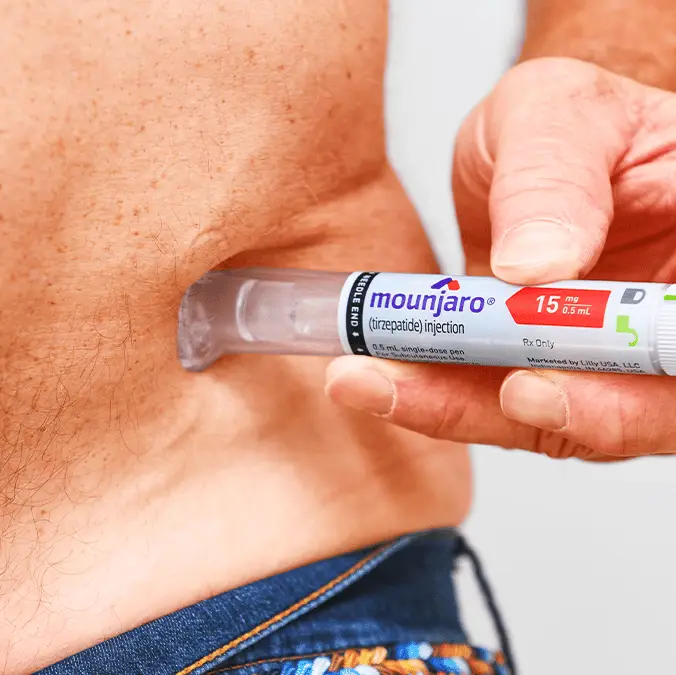
Study reveals weight loss drugs could improve quality of male sperm


A new study reveals that weight loss drugs could improve the quality of male sperm.
Sperm is an essential part of reproduction, yet most people don't know just how much our lifestyle can impact it. For instance, you might be shocked to discover that sperm can 'expire' within your body and that ejaculating regularly can reduce the chances of DNA damage.
Now, new research shows that GLP-1 weight loss drugs may actually improve male fertility.
GLP-1 drugs like Ozempic and Wegovy were originally developed to treat diabetes but quickly became a trend on social media for rapid weight loss.
Advert
However, their listed side effects of Ozempic breath, the now-infamous Ozempic penis phenomenon, changes to libido, and the brain's reward system continue to grow.
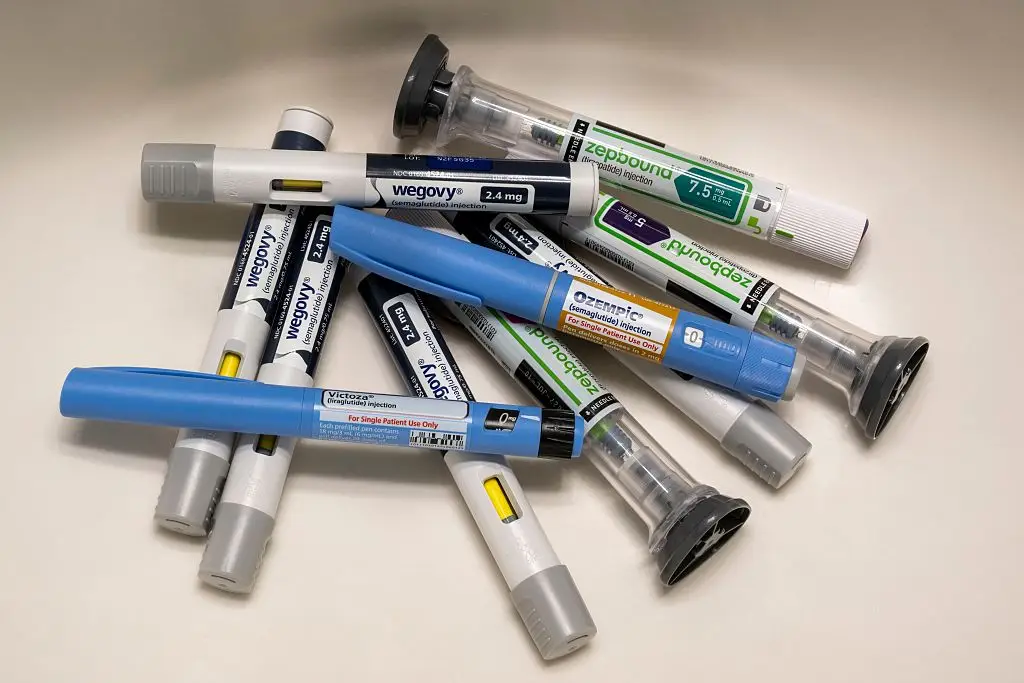
According to a new study, researchers suggest there may be a reproductive benefit for men that nobody was looking for. The review of studies published by scientists from Warwick Medical School in the UK found that GLP-1 drugs may boost testosterone levels and improve sperm quality in men living with obesity. The findings were then presented at the Endocrine Society's annual meeting in Chicago.
The Warwick team assessed five existing clinical trials involving GLP-1 drugs that had also tracked the testosterone levels of male participants. In one study, 30 men with low testosterone were given either testosterone replacement therapy or a GLP-1 drug. After just 16 days of treatment, both groups showed measurable increases in testosterone levels.
Meanwhile, a second study treated 25 men with type 2 diabetes and hypogonadism (a condition involving low testosterone) with either a GLP-1 drug or testosterone replacement therapy over 24 weeks. Again, both groups saw testosterone rise.

However, more importantly, the GLP-1 group reportedly showed a significant improvement in sperm quality that the other group did not. Specifically, the proportion of sperm with normal shape and size doubled during the trial, rising from 2 percent at the start to 4 percent by the end.
The researchers noted that GLP-1 drugs 'may improve reproductive hormones and semen parameters in obese hypogonadal men.'
However, they added: "Evidence remains limited and heterogeneous, underscoring the need for larger randomised clinical trials explicitly powered to assess male reproductive outcomes.”
The researchers hope further studies will open the door to new treatment options for male infertility.
Dr Pratibha Natesh, the study's principal investigator, pointed out that if additional research confirms GLP-1 drugs as an effective route to improving male reproductive health, they provide a 'better alternative' to testosterone replacement therapy.